Italian banking giant UniCredit is reportedly weighing a complete exit from the Russian market, shifting its strategy from a potential sale to a total wind-down of its operations. The move would signal one of the final departures of major Western financial institutions from the country following the geopolitical upheavals that began in early 2022.
According to reports from the Russian newspaper Kommersant, the bank is considering the liquidation of its Russian unit and the return of its banking license. This strategic pivot suggests that the institution has abandoned previous plans to sell the division, opting instead for a more definitive dissolution of its presence in the region.
UniCredit currently holds a prominent position as the second-largest Western bank operating in Russia, trailing only Austria’s Raiffeisen Bank International (RBI). At the onset of the conflict in Ukraine in February 2022, UniCredit was ranked among the 15 largest banks in the country, making its potential departure a significant event for both European finance and the Russian banking sector.
From Sale to Liquidation: A Strategic Pivot
The shift toward liquidation represents a departure from the approach previously favored by UniCredit’s leadership. Group CEO Andrea Orcel has reportedly been reluctant to exit the market if it meant doing so at a significant loss. However, the complexity of finding a suitable buyer and the intensifying pressure from European regulators appear to have narrowed the bank’s options.
The prospect of liquidation and the return of a banking license is a high-stakes maneuver. While a sale would have allowed for a transfer of assets and a potential recovery of capital, liquidation involves a systematic winding down of obligations and assets, which can be a protracted and legally complex process under Russian law.
The Financial Paradox: Rising Profits Amid Shrinking Exposure
Financial data from the bank’s Russian subsidiary reveals a striking contradiction: while UniCredit has aggressively reduced its risk exposure, its profitability in the region has actually increased. In the past year, the Russian subsidiary halved its issued loans to 600 million euros.
Despite this sharp contraction in lending, the unit’s financial performance remained strong. Net profit rose from 577 million euros in 2024 to 814 million euros. This suggests that the bank has been able to extract significant value from its remaining operations even as it prepares for an eventual exit.
Regulatory Pressure and Systemic Importance
The move toward a wind-down is not happening in a vacuum but is the result of sustained pressure from multiple governing bodies. The European Central Bank (ECB) officially warned UniCredit about the risks associated with its Russian operations in April 2023. A year later, the ECB increased this pressure by explicitly demanding a reduction in the bank’s activities within the country.
In addition to the ECB, the Italian government has similarly exerted pressure on the Milan-based institute to distance itself from the Russian market. In response to these demands, UniCredit had already begun isolating its Russian presence from its other global business fields, though it had previously continued to categorize the country as a “core market.”
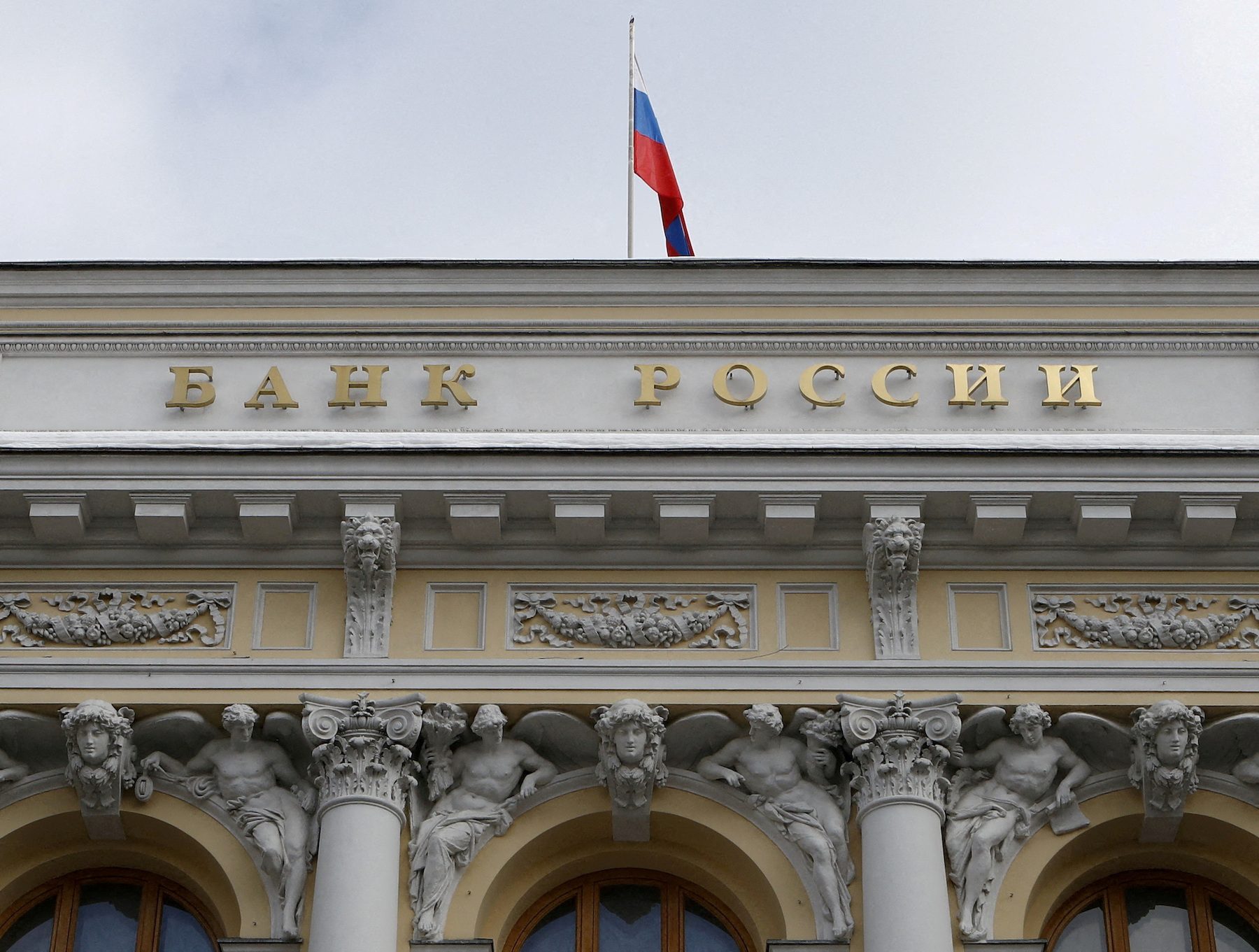
Adding a layer of complexity to the exit is the bank’s status within Russia. The Russian Central Bank continues to classify UniCredit’s subsidiary as one of twelve “systemically important” banks in the country. This designation means that the Russian government views the bank’s stability as critical to the national financial system, which could potentially complicate a rapid liquidation or the return of its license.
The Broader Western Banking Exodus
UniCredit’s current predicament mirrors the challenges faced by other Western lenders attempting to navigate the Russian landscape. The environment has proven treacherous for those attempting to leave; for instance, the Dutch bank ING previously failed in its efforts to withdraw from the Russian market.
For the remaining Western players, such as Raiffeisen Bank International, the tension between regulatory demands from the West and the operational realities of the Russian market remains a primary strategic challenge. UniCredit’s potential move toward liquidation may serve as a bellwether for how other institutions handle “systemically important” designations when faced with mandatory exits.
Key Takeaways of the UniCredit Russian Exit Strategy
- Strategy Shift: The bank is moving away from seeking a buyer and is now considering liquidation and the return of its banking license.
- Financial Contrast: Loans were reduced to 600 million euros, yet net profits grew from 577 million euros in 2024 to 814 million euros.
- External Pressure: Demands for reduction came from both the European Central Bank (starting in April 2023) and the Italian government.
- Russian Status: Despite the exit plans, the Russian Central Bank still views the subsidiary as one of 12 systemically important institutions.
As of April 10, 2026, UniCredit has not provided an official statement regarding the reports published by Kommersant. The next critical checkpoint will be any formal filing or official announcement from the bank regarding its regulatory status with the Russian Central Bank or updates provided to the ECB.
Do you believe Western banks can fully decouple from “systemically important” roles in volatile markets without incurring massive losses? Share your thoughts in the comments below.
Keep reading