Sofia, Bulgaria – A Russian-flagged tanker, the Arctic Metagaz, carrying liquefied natural gas (LNG) has sunk in the Mediterranean Sea following an explosion and fire, according to Libyan authorities. Russia has directly blamed Ukraine, alleging the vessel was attacked by Ukrainian sea drones launched from the Libyan coast. The incident, which occurred approximately 240 kilometers off the coast of Sirte, Libya, on Tuesday, March 3, 2026, raises further concerns about the escalating maritime conflict linked to the ongoing war in Ukraine and the potential for disruption to global energy supplies.
The Libyan Maritime Authority reported “sudden explosions, followed by a massive fire” aboard the Arctic Metagaz. All 30 crew members were successfully rescued and transferred to another vessel en route to Benghazi, Libya, officials stated. The tanker, which was carrying approximately 61,000 tons of LNG, “completely sank” between Libya and Malta, according to the same statement. This incident highlights the vulnerability of maritime traffic in the region and the potential for significant environmental and economic consequences from such events.
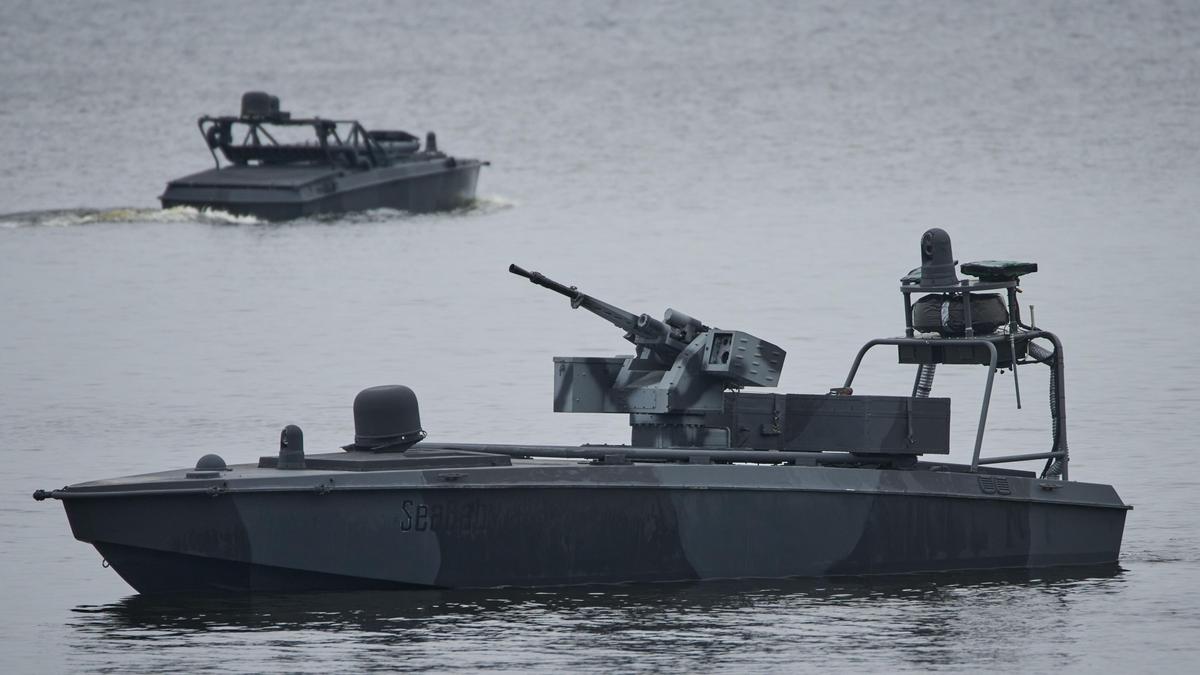
Russia’s Transport Ministry swiftly attributed the sinking to a Ukrainian sea drone attack, a claim that, as of Wednesday, March 4, 2026, has not been independently verified or commented on by Ukrainian officials. This accusation follows a pattern of escalating maritime incidents in the Black Sea and, increasingly, the Mediterranean, where both sides have demonstrated a willingness to employ unconventional naval tactics. The use of sea drones, often referred to as unmanned surface vessels (USVs), has become a prominent feature of the conflict, offering a relatively low-cost and potentially effective means of targeting enemy vessels.
Ukraine’s Maritime Capabilities and Previous Attacks
Ukraine has demonstrated a growing proficiency in utilizing sea drones, notably with the “Sub Sea Baby” drone, which has been successfully deployed against Russian naval assets. As reported by navalnews.com, this drone was used in a strike against a Russian submarine. While Kyiv has not publicly claimed responsibility for attacks originating from the Libyan coast, reports suggest previous incidents have followed a similar pattern. This raises questions about the logistical support and operational networks Ukraine may be establishing in North Africa. The strategic implications of such a presence are significant, potentially allowing Ukraine to extend its reach and challenge Russian naval dominance beyond the Black Sea.
The development and deployment of sea drones represent a significant shift in naval warfare. These unmanned systems offer several advantages, including reduced risk to personnel, lower operational costs, and the ability to operate in contested waters. Ukraine’s success in utilizing these drones has prompted other nations to invest in similar technologies, signaling a potential long-term trend in maritime security. The Arctic Metagaz incident underscores the need for enhanced maritime security measures and international cooperation to address the evolving threats posed by unmanned naval systems.
The Arctic Metagaz and the LNG Market
The Arctic Metagaz is a liquefied natural gas (LNG) carrier built in 2022 and flagged in Russia. Its sinking represents a loss of significant transport capacity for LNG, a crucial energy source, particularly for European markets. The vessel’s capacity of 61,000 tons highlights the potential for disruption to energy supplies, especially as Europe continues to seek alternatives to Russian gas following the invasion of Ukraine. LNG World News provides detailed specifications of the vessel, confirming its role in the global LNG trade.
The incident also raises environmental concerns. While LNG is considered a cleaner-burning fossil fuel than coal or oil, a large-scale release of LNG into the marine environment could have detrimental effects on marine ecosystems. The extent of any potential environmental damage from the sinking of the Arctic Metagaz remains to be assessed. Salvage operations, if feasible, would likely be complex and costly, given the depth of the wreck and the potential hazards associated with LNG.
Geopolitical Implications and Regional Instability
The accusation by Russia that Ukraine is operating from Libyan territory adds another layer of complexity to the already volatile situation in North Africa. Libya has been plagued by political instability and armed conflict since the overthrow of Muammar Gaddafi in 2011, creating a permissive environment for various armed groups and external actors. The presence of Ukrainian-linked assets in Libya could further exacerbate these tensions and potentially draw other regional powers into the conflict.
The Mediterranean Sea has become an increasingly contested space, with competing interests and overlapping security concerns. The involvement of multiple actors, including Russia, Ukraine, Turkey, Egypt, and various European nations, creates a complex geopolitical landscape. The sinking of the Arctic Metagaz serves as a stark reminder of the risks associated with this escalating maritime competition. The incident also underscores the importance of de-escalation efforts and diplomatic engagement to prevent further escalation and protect vital maritime trade routes.
Ongoing Investigation and Future Outlook
An investigation into the sinking of the Arctic Metagaz is underway, led by Libyan authorities with potential involvement from international maritime organizations. Determining the precise cause of the explosion and fire, as well as verifying Russia’s claim of a Ukrainian sea drone attack, will be crucial for understanding the full circumstances of the incident. Independent verification of the events remains a priority for international observers.
The incident is likely to prompt a reassessment of maritime security protocols in the Mediterranean Sea, with a particular focus on the threat posed by sea drones. Increased surveillance, enhanced naval patrols, and improved coordination among regional stakeholders will be essential to mitigate the risks and ensure the safety of maritime traffic. The long-term implications of this event will depend on the broader trajectory of the conflict in Ukraine and the evolving geopolitical dynamics in the Mediterranean region. Further developments are expected as the investigation progresses and as both Russia and Ukraine respond to the incident.
Key Takeaways:
- A Russian LNG tanker, the Arctic Metagaz, sank in the Mediterranean Sea after an explosion and fire.
- Russia blames Ukraine for the sinking, alleging an attack by sea drones launched from Libya.
- Ukraine has not yet commented on the accusation, but has previously demonstrated the capability to deploy sea drones effectively.
- The incident raises concerns about maritime security, potential disruptions to energy supplies, and regional instability in the Mediterranean.
- An investigation is underway to determine the cause of the sinking and verify the claims made by Russia.
The situation remains fluid, and further updates will be provided as they become available. We encourage readers to share their thoughts and perspectives on this developing story in the comments section below.
Related reading