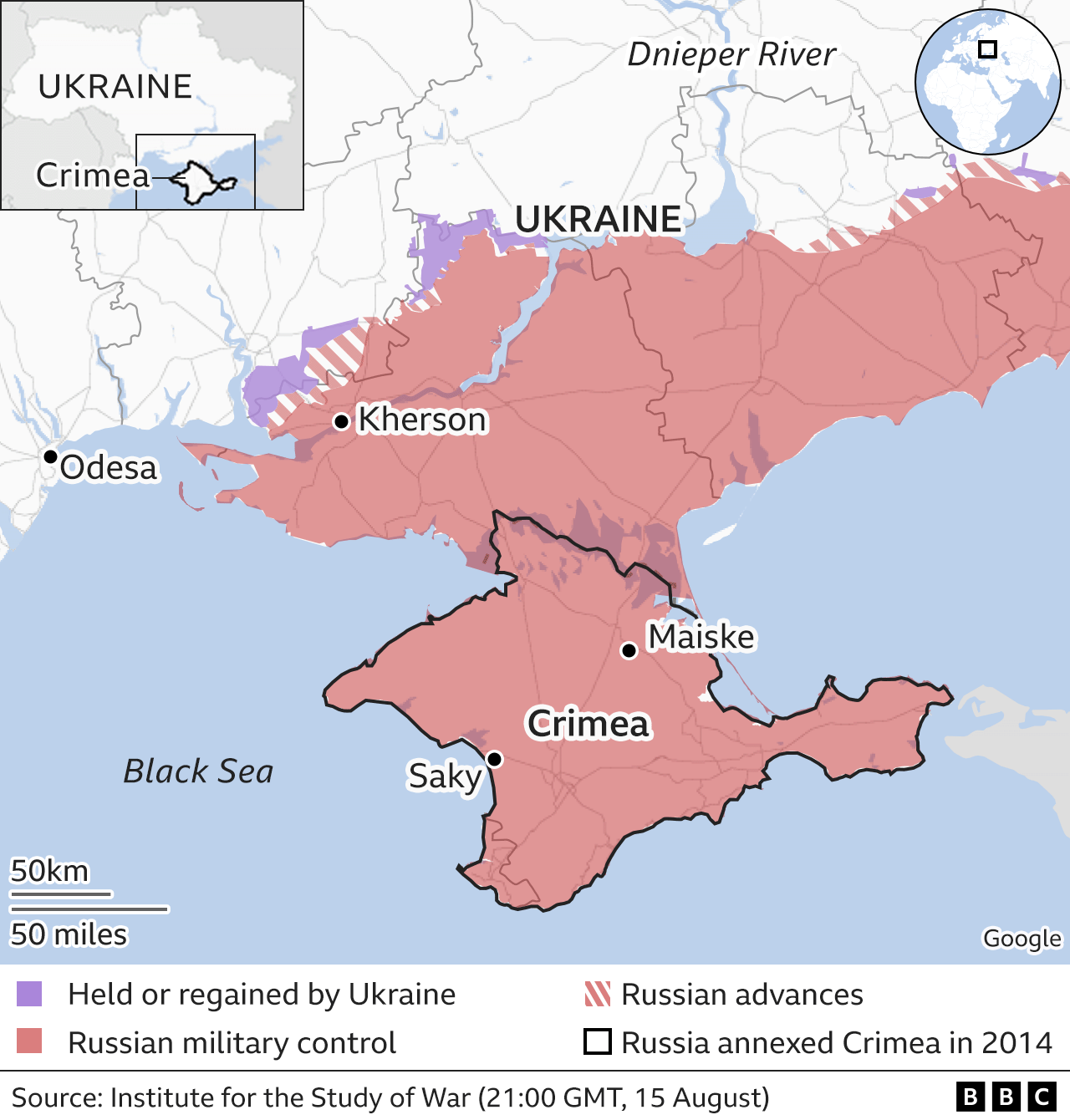
Ukraine’s sustained drone campaign has severed Moscow’s critical fuel supply routes to Crimea, forcing Russian forces to ration deliveries and leaving the occupied peninsula on the brink of a logistical collapse. According to military analysts and open-source intelligence reports, the strikes have disrupted key infrastructure—including pipelines and storage depots—along the Kerch Strait, the only land bridge connecting Crimea to Russia since 2014. The campaign, which has intensified over the past six months, is now forcing Moscow to rely on costly and vulnerable sea convoys, while Ukrainian forces exploit every opportunity to strike at supply chains.
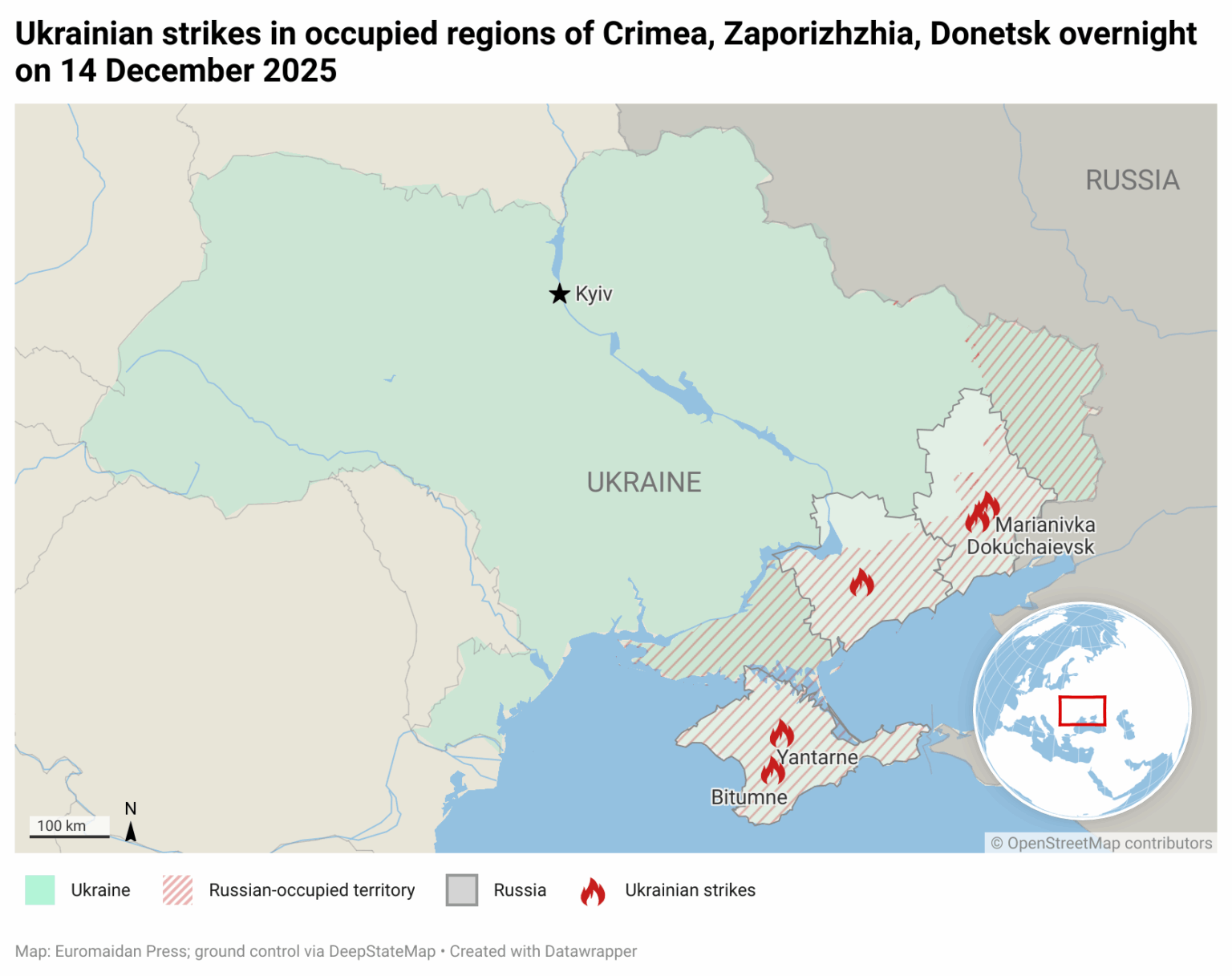
Russian officials have acknowledged the strain, with local media in Crimea reporting fuel shortages across military bases, civilian infrastructure, and even private vehicles. A Reuters investigation earlier this month cited satellite imagery and port records showing a 30% drop in fuel deliveries to the peninsula since January. Meanwhile, Ukrainian military sources claim their strikes have destroyed or damaged at least 12 fuel storage facilities in Crimea since the start of the year, though Moscow has not confirmed these figures.
The pressure on Crimea’s fuel supply is part of a broader Ukrainian strategy to isolate Russian-occupied territories by targeting their lifelines. With winter approaching, the stakes are rising: analysts warn that if the campaign continues unchecked, Crimea could face prolonged blackouts, food shortages, and even a potential exodus of Russian personnel and civilians. The situation underscores how Ukraine’s precision drone warfare—backed by Western intelligence and arms supplies—has become a decisive factor in the war’s second phase.
How Ukraine’s Drone Strikes Are Disrupting Russia’s Supply Lines
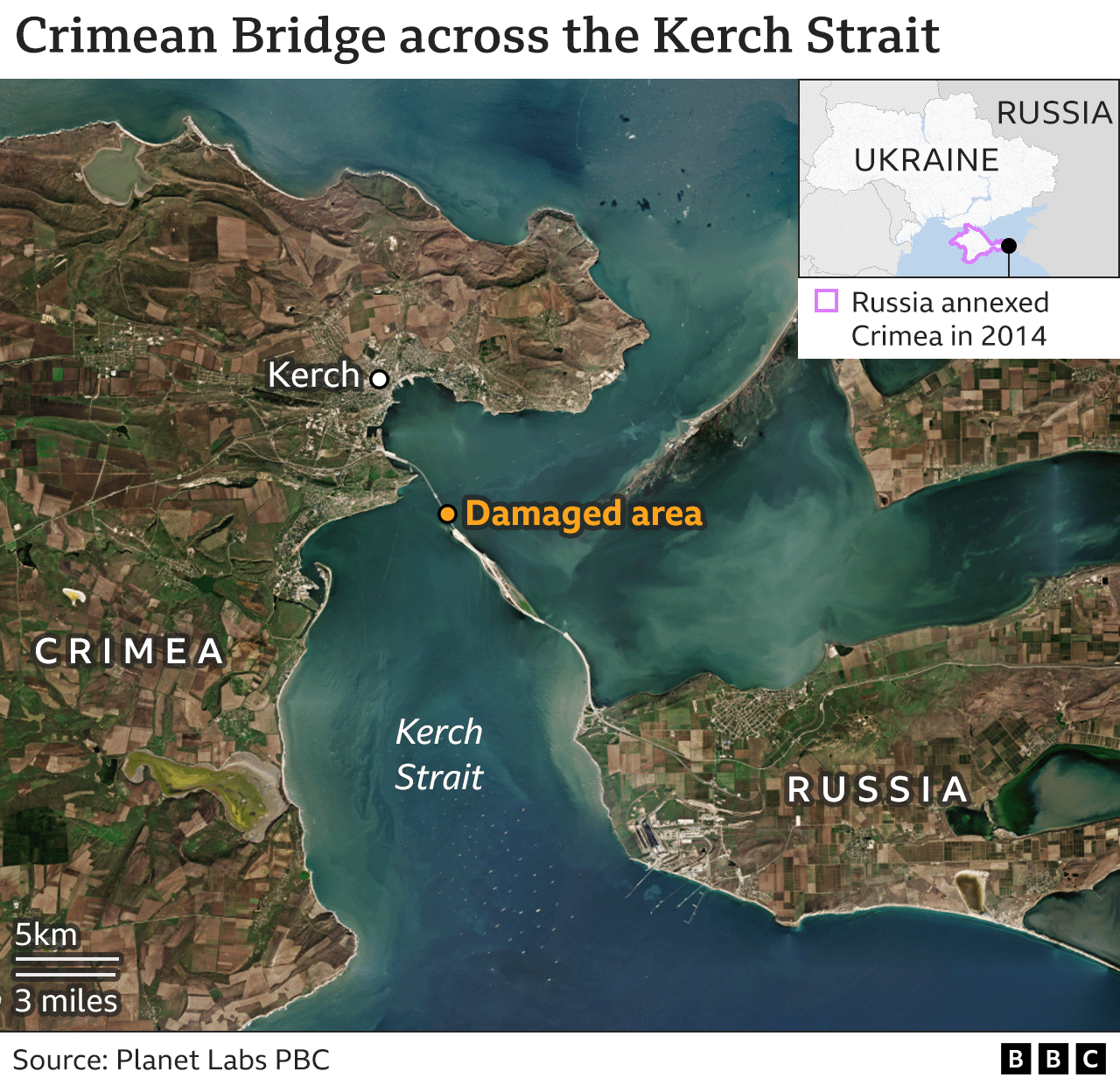
The Kerch Strait, a narrow waterway linking Crimea to Russia’s mainland, has become a high-risk corridor for Moscow. Ukrainian forces, operating with Turkish-made Bayraktar TB2 drones and Western-provided Switchblade 300 loitering munitions, have systematically targeted fuel depots, rail lines, and even the Kerch Bridge—Russia’s critical link to Crimea. In April alone, Ukrainian strikes forced Russia to suspend all civilian traffic across the bridge for nearly a week, The New York Times reported, as drones hit nearby infrastructure.
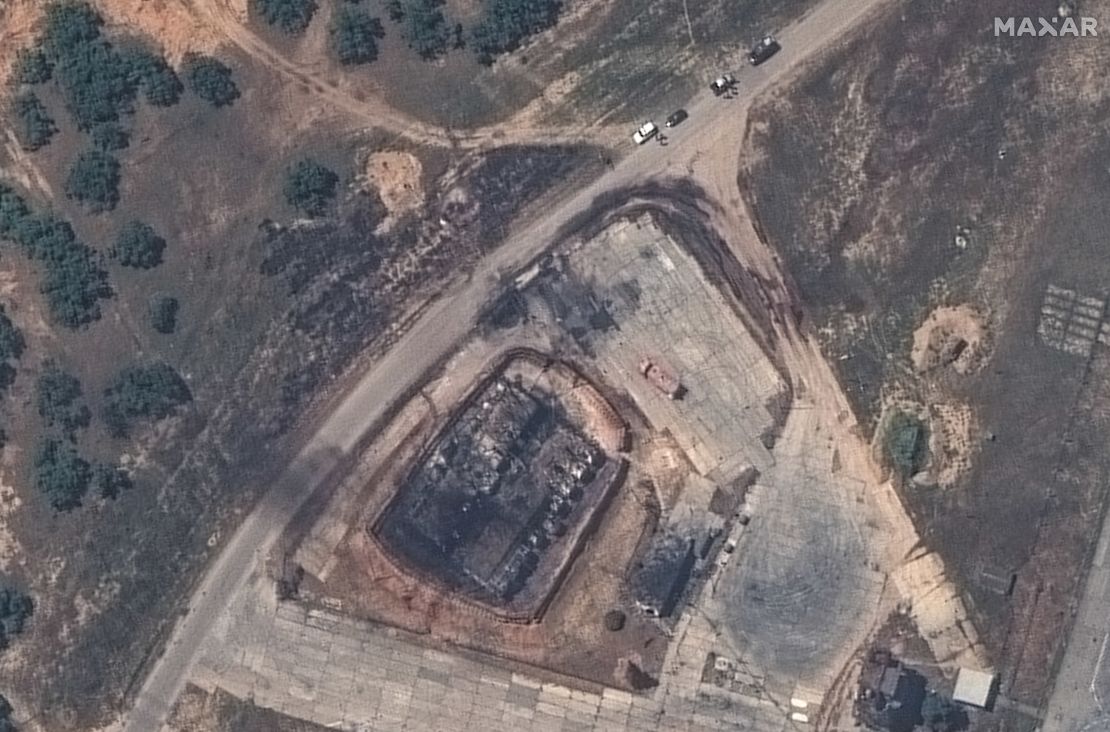
Open-source intelligence (OSINT) groups, including Bellingcat and Understanding War, have documented repeated strikes on fuel storage facilities in Sevastopol, Feodosia, and Kerch. One such attack in March, verified by Reuters, destroyed a 50,000-tonne storage depot—enough fuel to power a small city for months. Russian state media has downplayed the impact, but local reports in Crimea suggest shortages are already affecting military operations and civilian life.
Ukrainian President Volodymyr Zelenskyy highlighted the campaign’s success in a speech last month, stating that “Crimea is no longer an impregnable fortress for Russia—it is a target under constant siege.” His remarks came as Ukrainian forces expanded their drone operations into the Black Sea, targeting Russian naval vessels and port facilities. The strategy aligns with a broader Ukrainian military doctrine to degrade Russia’s ability to sustain its southern front, where Crimea serves as a critical hub for logistics and troop rotations.
Russia’s Desperate Response: Rationing and Sea Convoys
Facing the threat of a total supply collapse, Russia has scrambled to adapt. Military sources in Moscow have ordered strict rationing of fuel across Crimea, with reports of priority given to military and security forces. Civilians in Crimea have been instructed to limit fuel purchases to essential trips, while Russian state media has urged residents to conserve energy amid “temporary disruptions.”
Moscow has also ramped up sea convoys from Russia’s mainland, but these routes are far from secure. Ukrainian naval drones and coastal defense units have targeted ships in the Black Sea, forcing Russia to deploy additional S-400 air defense systems to protect the convoys. In one incident last week, a Ukrainian Neptune drone struck a Russian fuel tanker near the Kerch Strait, Reuters confirmed, causing a spill and delaying deliveries for days.
Analysts warn that the reliance on sea convoys is unsustainable. The Black Sea remains a contested zone, and any disruption—whether from Ukrainian strikes or bad weather—could further tighten the squeeze on Crimea. “Russia is playing a dangerous game,” said Oleksandr Kovalenko, a senior researcher at the Kyiv Institute for Strategic Studies. “They can’t afford to lose Crimea, but they can’t protect it either. The longer this campaign lasts, the harder it becomes to keep the peninsula supplied.”
What Happens Next? The Race to Break or Sustain the Blockade
Ukraine’s drone campaign is not just about disrupting fuel supplies—it’s about eroding Russia’s ability to hold Crimea long-term. With winter approaching, the stakes are higher: if fuel shortages worsen, Russia may struggle to maintain its military presence, let alone civilian infrastructure. Ukrainian officials have hinted at further escalation, with Defense Minister Rustem Umerov stating that “Crimea will remain a priority target until Russia withdraws its troops.”
Russia, meanwhile, is exploring alternative supply routes, including airlifts and underground pipelines. However, these solutions are costly and logistically complex. The Financial Times reported last week that Moscow is considering reactivating a dormant pipeline from Russia’s Volgograd region, but construction would take months—and even then, it would remain vulnerable to Ukrainian strikes.
In the short term, the focus remains on the Kerch Strait. Ukrainian forces are expected to maintain pressure, while Russia scrambles to reinforce its defenses. The next few months will determine whether Crimea becomes a “very easy to capture and very hard to keep” territory—as one Western intelligence assessment put it—or whether Moscow can stabilize its supply lines before winter sets in.
Key Takeaways: The Impact on Crimea and the War
- Fuel shortages are forcing Russia to ration supplies in Crimea, affecting both military and civilian life.
- Ukraine’s drone strikes have disrupted key infrastructure, including pipelines and storage depots, along the Kerch Strait.
- Russia is relying on vulnerable sea convoys, which remain at risk of further attacks.
- The campaign is part of a broader Ukrainian strategy to isolate Russian-occupied territories.
- Winter could exacerbate the crisis, making it harder for Russia to sustain its presence in Crimea.
Where to Follow Updates
For the latest developments on Ukraine’s drone campaign and its impact on Crimea, monitor:
- Reuters Ukraine-Russia War Updates
- BBC World Europe
- Understanding War (OSINT Analysis)
- Kyiv Independent (Ukrainian Perspectives)
The next critical checkpoint will be the winter months, when fuel demand typically spikes. If Ukraine maintains its current pace of strikes, analysts predict a significant escalation in supply shortages—potentially forcing Russia to make difficult choices between military and civilian priorities in Crimea.
Share your thoughts in the comments below or discuss this story on our social media channels. For breaking updates, subscribe to our newsletter.
Keep reading