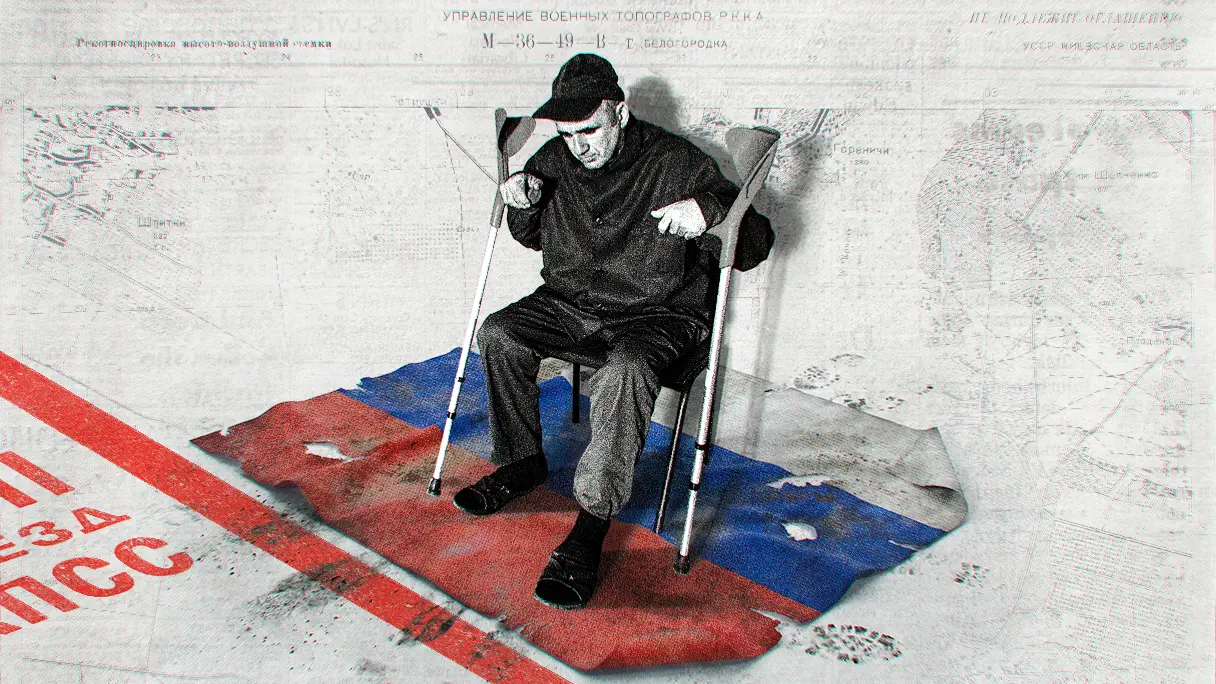
The Evolving Crisis in Russia: Reports of Desperate Measures in Military Recruitment
Recent reports suggest a notable shift in the Russian military’s recruitment strategies, driven by sustained losses in the ongoing conflict in Ukraine. As the pool of willing and physically fit volunteers dwindles, evidence indicates a turn towards increasingly vulnerable populations – including the elderly, the sick, the homeless, and individuals with cognitive impairments – to replenish troop numbers. This advancement raises serious ethical concerns and highlights the escalating strain on Russia’s resources and manpower.
The Depletion of Russia’s fighting Force
The war in Ukraine, now entering its third year, has taken a heavy toll on Russia’s military capabilities. While official casualty figures remain contested and often downplayed by the Kremlin, independent analyses and reports from the Ukrainian government suggest substantial losses of personnel and equipment [[2]]. These losses, coupled with limited accomplished large-scale recruitment drives, have created a critical manpower shortage.
From Volunteers to Vulnerable Citizens
Initially, the russian military relied on volunteers, including those motivated by patriotic fervor or financial incentives. Though,as the conflict has dragged on and the realities of war have become clearer,the flow of volunteers has slowed to a trickle. Reports now indicate a systematic effort to recruit individuals previously considered unfit for military service. This includes:
- Elderly Men: Individuals well past customary military age are reportedly being pressured into service.
- Individuals with Chronic illnesses: Those with pre-existing health conditions that would typically disqualify them are now being targeted.
- Homeless Individuals: Offering a path off the streets, recruitment centers are reportedly actively seeking homeless men.
- Individuals with Cognitive Impairments: Disturbingly, there are claims of recruitment targeting individuals with intellectual disabilities.
the Grim Logic: Reducing Social welfare Costs
The alleged rationale behind this shift is deeply troubling.Sources suggest that sending these vulnerable individuals to the front lines is seen as a way to reduce the financial burden on Russia’s already strained social welfare system. The implicit expectation is that these recruits will not survive the conflict, thereby eliminating the long-term costs associated with their care [[1]]. This represents a callous disregard for human life and a stark illustration of the economic pressures facing Russia.
Economic Context and Putin’s Decrees
Russia’s economic situation, compounded by international sanctions imposed in response to the invasion of Ukraine, is a key factor driving these desperate measures.While President Putin issued decrees in 2018 aimed at considerably increasing the salaries of state workers, including teachers and scientists [[1]], full implementation has been hampered by budgetary constraints. This lack of investment in social programs likely contributes to the willingness to prioritize reducing welfare obligations through military recruitment.
Combat Footage and Battlefield Realities
the impact of these recruitment changes on the battlefield remains to be fully assessed. However, reports and combat footage emerging from Ukraine [[3]] suggest a decline in the overall quality and effectiveness of some Russian units. The deployment of poorly trained and physically unfit soldiers is highly likely to exacerbate existing logistical and tactical challenges.
Looking Ahead
The reported shift in Russian military recruitment practices signals a deepening crisis. It reflects not only the military challenges faced in Ukraine but also the growing economic and social pressures within Russia. The long-term consequences of this strategy – both for the conflict and for Russian society – remain to be seen. Continued monitoring of recruitment patterns, casualty figures, and economic indicators will be crucial to understanding the evolving situation.
Publication Date: 2026/02/01 11:22:05
Keep reading