
As Russia escalates its military campaign in Ukraine with a barrage of airstrikes and artillery attacks, the Kremlin’s strategy appears increasingly strained by mounting battlefield setbacks and a growing toll on its own forces. While Moscow has intensified its offensive tactics—including strikes on critical infrastructure and frontline positions—analysts and military observers warn that the campaign is failing to deliver the decisive gains Russia had hoped for. Instead, the relentless bombing campaign has exposed vulnerabilities in Russia’s war effort, raising questions about its long-term objectives and the sustainability of its military engagement.
The situation on the ground has grown increasingly dire for Russian forces, with reports of heavy losses in personnel and equipment along key fronts. Ukrainian officials and independent military monitors have documented a surge in Russian casualties, particularly in the eastern Donbas region and near the southern city of Kherson, where Ukrainian defenses have proven more resilient than anticipated. Meanwhile, Moscow’s attempts to shift the momentum through overwhelming firepower have failed to break Ukrainian resistance, leaving Russian commanders scrambling to regroup and reassess their tactics.
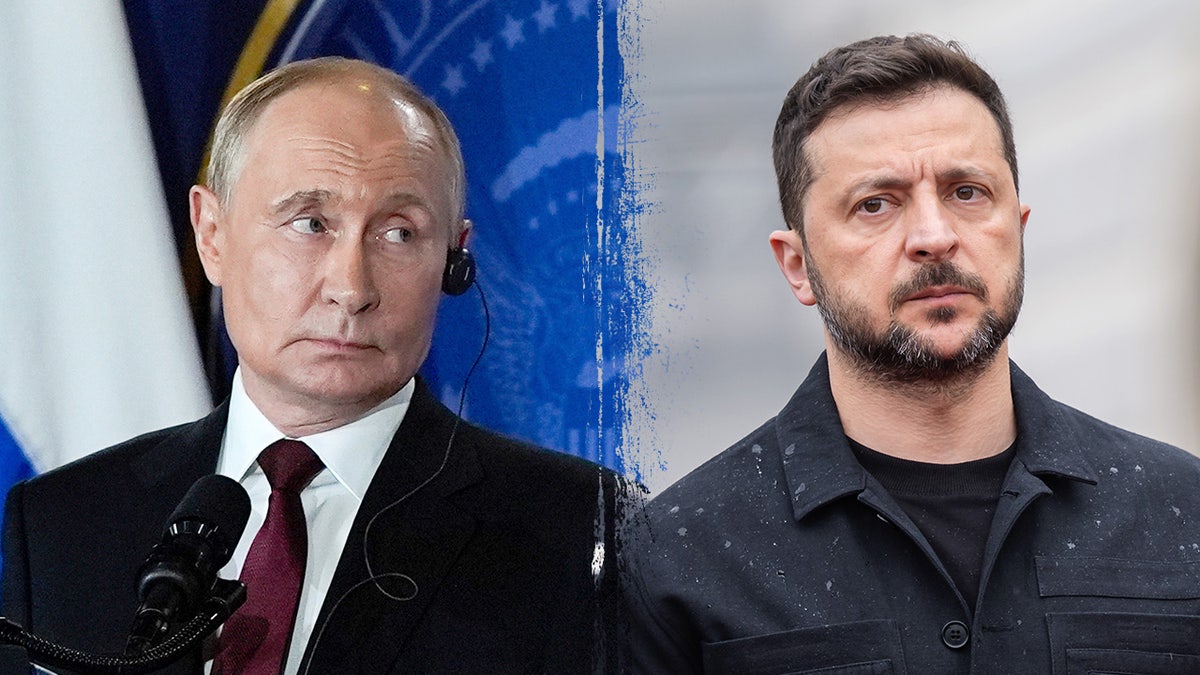
This shift in the war’s dynamics comes as both sides brace for what could be a prolonged and brutal phase of the conflict. Ukrainian President Volodymyr Zelenskyy has vowed to defend every inch of the country’s territory, while Russian President Vladimir Putin has signaled no intention of backing down, despite mounting evidence that the war is exacting a heavier price on Russia than previously acknowledged. The escalation in strikes—targeting energy grids, water supplies, and civilian infrastructure—has drawn sharp international condemnation, further isolating Russia diplomatically.
Russia’s Military Campaign Under Strain
In recent weeks, Russian forces have stepped up their use of long-range missiles and drones to target Ukrainian military installations, logistics hubs, and strategic infrastructure. However, these strikes have not yielded the expected tactical advantages. Ukrainian air defenses, bolstered by Western-supplied systems, have intercepted a significant portion of incoming projectiles, while Russian forces continue to suffer disproportionate losses in both personnel and materiel. Military analysts attribute this to a combination of Ukrainian resilience, superior intelligence-gathering capabilities, and the ineffectiveness of Russia’s current offensive strategies.

According to the Open Source Intelligence Technical (OSINT) community, Russian forces have struggled to maintain momentum in key areas, including the Avdiivka and Chasiv Yar sectors, where Ukrainian troops have held firm despite heavy bombardment. The situation has become so dire that Russia has reportedly redeployed troops from other fronts to reinforce these critical positions, a move that underscores the severity of the challenges it faces. Meanwhile, Ukrainian forces have capitalized on Russia’s vulnerabilities, launching localized counteroffensives to reclaim lost territory and disrupt Russian supply lines.
One of the most striking developments is the apparent shift in Russia’s war aims. While Moscow has repeatedly denied seeking territorial concessions, recent statements from Russian officials suggest a growing focus on negotiating from a position of strength. This includes demands for Ukraine’s neutrality, the withdrawal of Western military aid, and the recognition of Russia’s annexation of four Ukrainian regions—a position that has been consistently rejected by Kyiv and its Western allies. The escalation in strikes may be an attempt to pressure Ukraine into engaging in talks on terms more favorable to Russia, though Ukrainian leaders have so far refused to consider any negotiations that do not include a full withdrawal of Russian forces.
Casualties and the Human Cost
The human cost of the war continues to rise on both sides, though precise casualty figures remain difficult to verify due to the opaque nature of military reporting. Ukrainian officials have reported significant losses among Russian troops, with estimates suggesting that Moscow has suffered tens of thousands of casualties since the invasion began in February 2022. Meanwhile, Ukrainian forces have also incurred heavy losses, particularly in the face of Russia’s relentless artillery barrages and drone strikes.
Civilian casualties have also surged in recent months, as Russia’s campaign to degrade Ukraine’s critical infrastructure has taken a devastating toll. According to the United Nations Office for the Coordination of Humanitarian Affairs (OCHA), over 10,000 civilians have been killed or injured since the start of the full-scale invasion, though the actual number is likely higher due to underreporting in conflict zones. The destruction of hospitals, schools, and residential areas has further exacerbated the humanitarian crisis, displacing millions of Ukrainians and straining the country’s ability to recover.
International relief efforts have struggled to keep pace with the needs on the ground, with Western donors facing challenges in delivering aid due to logistical constraints and Russian interference. The European Union and the United States have pledged billions in humanitarian assistance, but critics argue that more must be done to address the long-term impact of the war on Ukraine’s infrastructure and economy.
Diplomatic Isolation and Economic Pressures
Russia’s military campaign has not only failed to achieve its stated objectives but has also deepened its diplomatic isolation. The United Nations General Assembly has overwhelmingly condemned Russia’s actions, with 141 countries voting in favor of a resolution demanding its withdrawal from Ukrainian territory. Even some of Russia’s traditional allies, such as China and India, have refrained from openly endorsing Moscow’s position, signaling a growing rift in the global community.
Economically, Russia has faced severe sanctions that have crippled its ability to conduct normal trade and financial transactions. The West’s restrictions on Russian oil, gas, and technology exports have dealt a significant blow to the country’s economy, leading to inflation, capital flight, and a sharp decline in living standards. Despite attempts to circumvent these sanctions through alternative trade routes and partnerships with countries like Iran and North Korea, Russia’s economic resilience has been severely tested.
For its part, Ukraine has received substantial military and financial support from the United States, European Union, and other allies. The latest aid package approved by the U.S. Congress includes billions in military assistance, including advanced weapons systems, air defense capabilities, and intelligence-sharing technology. This support has been crucial in enabling Ukraine to sustain its resistance against Russia’s onslaught, though Ukrainian officials have repeatedly called for more assistance to meet the challenges ahead.
What Happens Next?
The next critical phase of the war will likely hinge on several factors, including the sustainability of Western support for Ukraine, Russia’s ability to replenish its military resources, and the political will of both sides to pursue a negotiated settlement. While Russia’s recent escalation in strikes may be an attempt to force Ukraine into negotiations, Kyiv has made it clear that it will not accept any terms that do not include a complete Russian withdrawal and the restoration of its territorial integrity.
In the meantime, the international community remains divided over how best to respond. Some Western leaders advocate for increased military and economic pressure on Russia, while others caution against further escalation that could risk a broader conflict. The United Nations continues to play a mediating role, though progress has been slow due to Russia’s refusal to engage in meaningful diplomacy.
The next major checkpoint will be the UN General Assembly’s high-level meeting on the situation in Ukraine, scheduled for later this month. This gathering will provide an opportunity for world leaders to reassess the conflict’s trajectory and explore potential avenues for de-escalation. However, with no immediate signs of a breakthrough, the war in Ukraine is likely to remain a defining geopolitical challenge for months to come.
As the conflict enters its fourth year, the stakes could not be higher. For Ukraine, the fight is one of survival and sovereignty. For Russia, the war has become a test of endurance and political will. And for the world, the outcome will shape the contours of global security, diplomacy, and economic stability in the decades ahead.
If you have insights or information to share on the evolving situation in Ukraine, we encourage you to contribute to the discussion in the comments below. Share this article to raise awareness and help support those affected by the war.
Keep reading