
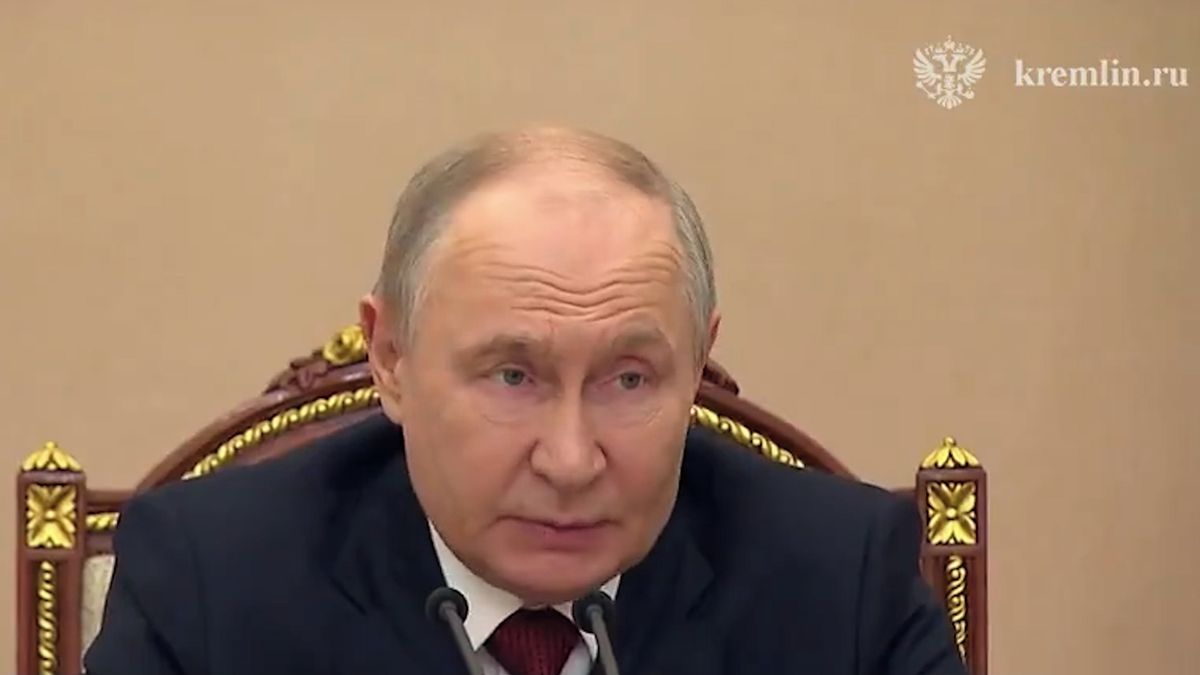
Vladimir Putin publicly acknowledged fuel shortages affecting several regions across the country, marking a rare admission of domestic supply instability during a government meeting. The supply strain, which has impacted both gasoline and diesel availability, prompted the Kremlin to weigh emergency measures, including potential restrictions on fuel exports to stabilize the domestic market.
The current situation highlights the complexities of the Russian energy sector, which remains the backbone of the national economy while simultaneously struggling to balance export-driven revenue with the immediate demands of internal logistics, agriculture, and civilian consumption.
Understanding the Current Fuel Supply Disruption
The core of the issue involves a tightening of supply chains that has led to reported shortages at gas stations in various Russian regions. According to reports, the deficit has been particularly acute in agricultural areas, complicating harvesting operations during a critical time of the year. While the Russian government has historically maintained a firm grip on energy distribution, the recent volatility suggests a mismatch between refinery output and regional demand.

Energy analysts note that several factors contribute to this tightening. These include ongoing maintenance at major refineries, seasonal demand spikes, and the logistical challenges of transporting refined products across a vast geography. When the supply chain experiences even minor disruptions, the impact is magnified by the reliance on specific distribution networks that are currently under pressure.
Government Response and Potential Market Controls
In response to the growing supply concerns, the Kremlin has signaled that it is considering a temporary ban on the export of diesel fuel. Such a measure would be intended to force producers to prioritize the domestic market, thereby lowering prices and ensuring that gas stations remain stocked. This move follows a period where officials urged citizens to avoid panic-buying, though reports from various regions suggest that the official calls for calm have, in some instances, had the unintended effect of increasing consumer anxiety.

The potential for export restrictions is a significant pivot. Historically, Russia has prioritized its position as a global energy exporter to maintain foreign currency inflows. A pivot toward prioritizing internal supply over external revenue streams underscores the severity of the domestic situation. The government continues to evaluate the effectiveness of administrative price controls alongside these potential export limitations.
Why Regional Logistics Matter
The impact of this fuel shortage is not uniform. Rural regions, which rely heavily on diesel for agricultural machinery, have faced the most significant hurdles. Because Russia’s agricultural sector is vital for both food security and economic stability, any disruption to the fuel supply in these areas carries risks that extend beyond the gas pump. The government’s challenge is to manage these regional shortages without destabilizing the broader national energy market.
For the average consumer, the uncertainty has resulted in long queues at some stations and, in some cases, a complete lack of available fuel. Authorities have consistently pushed back against the narrative of a systemic crisis, attributing the shortages to logistical bottlenecks rather than a lack of crude oil production. Nevertheless, the public admission of the problem by the head of state has confirmed that the situation has reached a level requiring direct, high-level intervention.
Looking Ahead
The next checkpoint for this situation will be the formal announcement of any export-limiting decrees by the Russian government. Market observers are also awaiting updated data on refinery output levels following the conclusion of scheduled maintenance cycles. As the situation evolves, the effectiveness of these government interventions will be measured by the stabilization of retail fuel prices and the restoration of normal supply levels in the affected regions.

We will continue to track these developments as they impact global energy markets and domestic Russian economic policy. If you have insights or observations from your region, please join the conversation in the comments section below or share this report to keep others informed.