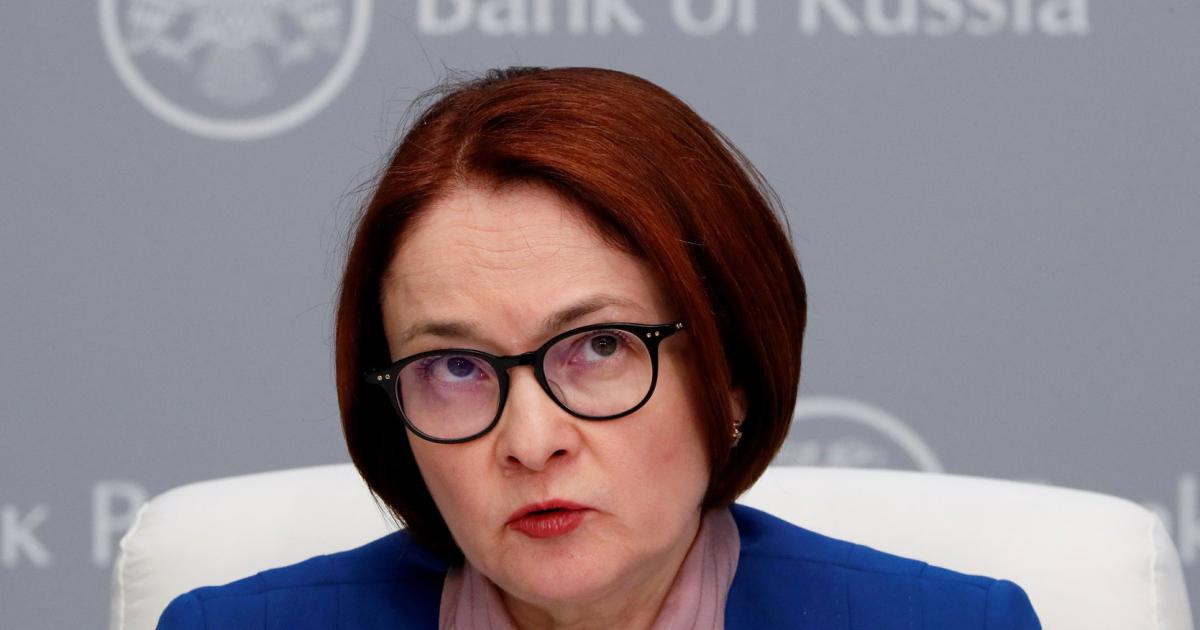
Elvira Nabiullina, the Governor of the Central Bank of Russia, has become the subject of unverified speculation following her absence from a major domestic economic forum. While rumors regarding her whereabouts have circulated, no official government or banking authorities have confirmed any change in her status or personal safety.
The speculation began after Nabiullina failed to appear on the central macroeconomic podium during Russia’s largest economic conference. Her absence from a high-profile speaking engagement, where she was expected to address the nation’s fiscal stability and inflation management, prompted immediate questions from market observers and international analysts. No official explanation was provided for her absence from the scheduled proceedings.
The Central Bank of Russia has not issued a formal statement regarding the Governor’s whereabouts. Historically, the Kremlin and major state institutions have remained silent on the personal movements of high-ranking officials unless a formal change in position or a significant public event occurs. This silence has allowed unconfirmed reports to circulate through various social media channels and regional news outlets.
Why is there speculation about Elvira Nabiullina?
The current uncertainty stems from the gap between Nabiullina’s expected public presence and her actual appearance at the recent economic summit. In the Russian political and economic landscape, the visibility of top-tier officials is often viewed as an indicator of political stability. When a figure as central to the economy as the Central Bank Governor misses a primary speaking slot, it often triggers discussions regarding internal shifts within the government.
Observers noted that Nabiullina was a centerpiece of the conference’s macroeconomic agenda. Her role in managing the Russian ruble and interest rates makes her one of the most scrutinized individuals in the country. The absence of a pre-announced scheduling conflict led some commentators to suggest that her absence might indicate broader political or personal developments, though these claims remain entirely unverified.
This pattern of speculation is not new in the Russian context. Analysts have frequently noted that the sudden absence of high-ranking officials from public view often precedes official announcements regarding reshuffles or policy shifts. However, without direct confirmation from the Bank of Russia or the Kremlin, these theories remain speculative.
How does Nabiullina’s position impact the Russian economy?
As the Governor of the Central Bank of Russia, Elvira Nabiullina holds one of the most critical roles in the country’s governance. Since the onset of international sanctions following the invasion of Ukraine in February 2022, her leadership has been focused on preventing a total collapse of the Russian financial system. Her primary objectives include maintaining currency stability, controlling hyperinflation, and ensuring the liquidity of the domestic banking sector.

The Bank of Russia operates with a degree of autonomy that is rare among Russian state institutions, a factor that has made Nabiullina a significant figure in both domestic and international circles. Her ability to implement aggressive monetary policies, such as significant interest rate hikes, has been a central component of Russia’s economic resilience against Western financial pressure. Any perceived instability in her leadership could potentially affect investor confidence and the stability of the ruble.
Key responsibilities under her tenure include:
- Monetary Policy Management: Setting interest rates to combat inflation driven by military spending and supply chain disruptions.
- Currency Regulation: Implementing capital controls to prevent massive outflows of foreign currency.
- Sanctions Navigation: Developing mechanisms to allow Russian banks to function despite being disconnected from the SWIFT international payment system.
What are the broader implications for the Russian financial sector?
The stability of the Russian economy is closely tied to the perceived continuity of its central banking leadership. If the speculation surrounding Nabiullina were to translate into a formal change in leadership, it would represent a significant shift in how Russia manages its “war economy.” The current economic model relies heavily on the Central Bank’s ability to balance the government’s high demand for funding with the need to prevent runaway inflation.
Market analysts monitor the Central Bank’s communications for signs of policy shifts. For example, the Bank of Russia has had to navigate a complex environment where the state’s fiscal needs often conflict with traditional monetary stability goals. A change in leadership at this juncture could introduce volatility into the domestic credit markets and alter the way Russia interacts with non-Western financial partners.
The impact of leadership changes in such a sensitive role extends to:
- Inflationary Pressures: The risk that a new leadership team might prioritize government spending over price stability.
- Foreign Exchange Volatility: Potential fluctuations in the ruble if markets perceive a loss of expertise in managing sanctions.
- Institutional Autonomy: The possibility of increased political oversight over the central bank’s decision-making processes.
Comparing recent official appearances and absences
While the current situation remains unconfirmed, looking at the timeline of Nabiullina’s recent activities can provide context for her typical level of public engagement. In recent months, she has been active in communicating the Bank of Russia’s stance on inflation and interest rates through official reports and occasional press briefings.

| Event/Period | Nature of Appearance | Context |
|---|---|---|
| Early 2024 | Regular Policy Briefings | Focus on interest rate hikes to combat inflation. |
| Late 2023 | Public Economic Forums | Discussion of sanctions resilience and domestic liquidity. |
| Current Period | Absence from Major Conference | Unconfirmed reports regarding her whereabouts. |
The contrast between her regular, highly disciplined communication schedule and her current absence from the macroeconomic podium is what has driven the current wave of reports. In previous instances where officials missed scheduled events, the reasons were typically cited as health issues or sudden changes in travel itineraries, though these are often communicated only after the fact.
What happens next for the Central Bank of Russia?
The immediate focus for financial analysts is whether the Bank of Russia will issue a formal update or if Nabiullina will appear in a subsequent official capacity. The Central Bank typically communicates through regular economic reports and scheduled press conferences. A return to these regular cycles would likely resolve the current speculation.
For the Russian economy, the primary concern remains the management of the budget deficit and the ongoing pressure on the ruble. Regardless of the cause of her absence, the Bank of Russia’s policy trajectory remains the most important metric for understanding Russia’s economic health in the current geopolitical climate. Observers are specifically looking for the next scheduled release of the Bank’s monetary policy decision, which provides the most concrete data on the institution’s current direction.
The next confirmed checkpoint will be the Bank of Russia’s next scheduled announcement of its key interest rate, which serves as the primary indicator of the institution’s operational continuity and policy stance.
Do you follow the developments in the Russian financial sector? Share your thoughts in the comments below and share this article with your network.
Related reading
- EU Holds Emergency Meeting After Mass Migration Crisis in Ceuta
- Malaria Mosquitoes Now Resistant to All Insecticides: Scientists Race for a Solution
- Eastern Conference Leaders Secure Road Win Over Huntsville City FC (news-usa.today)
- Asia-Pacific Heritage to Global Horizons Conference 2026 (archynewsy.com)