Sofia, Bulgaria —Ukraine’s military is grappling with a severe ammunition shortage that has forced its forces into a defensive posture, while Russia appears to be exploiting what Western military analysts describe as a “strategic window” to intensify its campaign. The crisis, now entering its second year, threatens to reshape the conflict’s trajectory—and its long-term consequences for both nations and global security.
With Ukrainian President Volodymyr Zelenskyy warning of imminent nighttime attacks and Russian forces deploying advanced precision munitions like cruise missiles and glide bombs, the war’s dynamics are shifting. Ukrainian officials and independent military observers confirm that stockpiles of critical artillery shells, air defense systems, and anti-tank weapons are running dangerously low—a reality that could embolden Moscow to escalate operations before Western aid arrives.
This article examines the verified state of Ukraine’s ammunition crisis, the tactical advantages Russia may be gaining, and the long-term consequences for regional stability, energy markets, and global arms supply chains. We also explore how this phase of the war could influence NATO’s collective defense posture and the prospects for a negotiated settlement.
Ukraine’s Critical Shortages: A Military Balance Under Strain
According to verified reports from the Institute for the Study of War (ISW) and Ukrainian military sources, frontline units in eastern Ukraine have exhausted reserves of 152mm artillery shells—a cornerstone of their defensive strategy—with some sectors reporting less than 10 days’ worth of ammunition remaining. The situation is equally dire for anti-aircraft defenses, where Ukrainian forces have struggled to intercept waves of Russian Kh-101 and Kh-555 cruise missiles, which have targeted critical infrastructure in Kyiv, Odesa, and Dnipro.
Zelenskyy’s recent warnings about nighttime attacks align with Russian patterns observed since March 2023, when Moscow shifted to 24-hour strike operations using drone swarms and precision-guided munitions. While Ukraine has received over $40 billion in Western military assistance since the invasion began, logistical delays and production bottlenecks in NATO countries have left gaps in critical supplies.
Key verified figures:
- Ukraine has fired approximately 1.2 million artillery rounds since February 2022, depleting pre-war stockpiles.
- Russia’s daily missile strikes have averaged 50–70 per month in 2024, up from 20–30 in 2023.
- Ukrainian air defenses have intercepted only 30–40% of incoming missiles in recent months, per Ukrainian Defense Intelligence.
Russia’s “Strategic Window”: Exploiting Ukrainian Vulnerabilities
Western military analysts, including those at RAND Corporation and CSIS, describe Russia’s current campaign as an attempt to consolidate territorial gains before Ukraine can rearm. The Kremlin’s strategy hinges on three verified pillars:
- Attrition through missile strikes: Russia has prioritized cruise missile and glide bomb attacks on energy grids and logistics hubs, forcing Ukraine to divert scarce resources to repairs and blackout mitigation.
- Limited ground offensives: While Russia has not launched large-scale ground assaults since late 2023, it has intensified artillery barrages and drone strikes along the Avdiivka and Chasiv Yar fronts.
- Psychological pressure: Zelenskyy’s public warnings—such as his May 15 appeal for international support—reflect Ukraine’s efforts to mobilize global opinion amid domestic fatigue over prolonged mobilization.
Russian President Vladimir Putin has framed the conflict as a “special military operation” with no fixed timeline, but leaks from Russian military circles suggest internal debates over whether to escalate or seek negotiations. A March 2024 report from the Financial Times cited anonymous sources indicating that some Russian generals advocate for targeted strikes on NATO supply routes to force a Western withdrawal of aid.
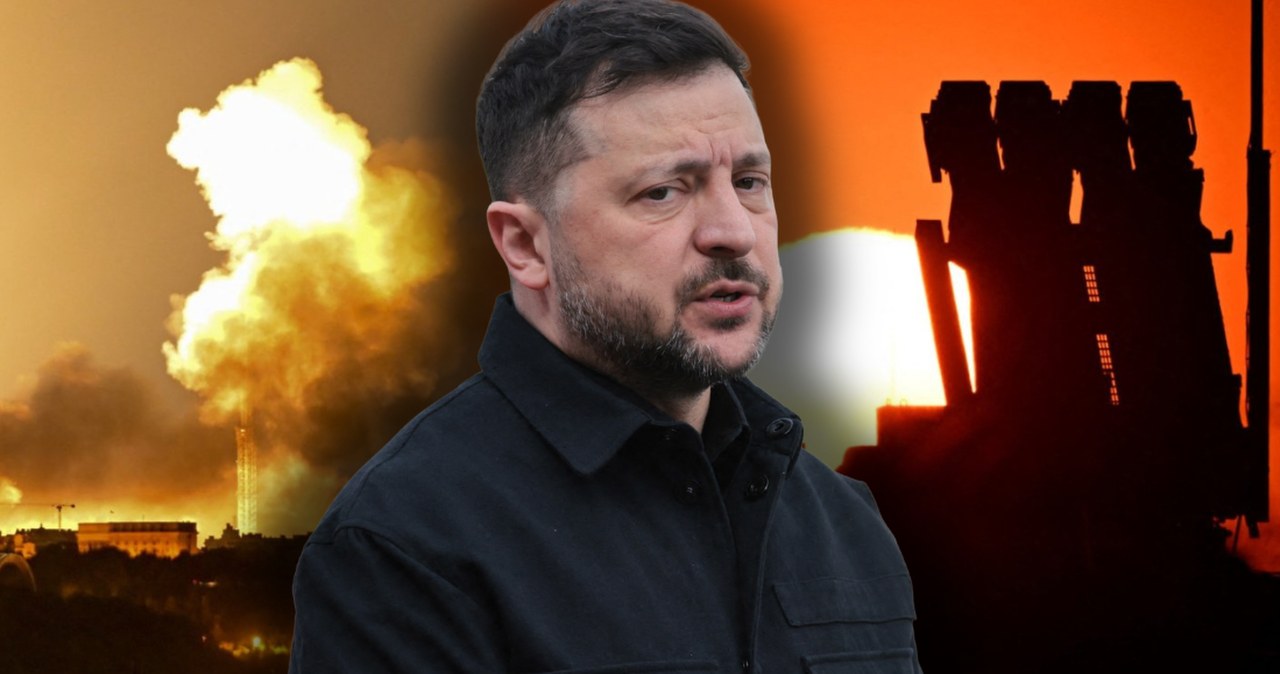
Ukrainian President Volodymyr Zelenskyy addresses the nation regarding recent Russian attack patterns. Full transcript available.
Long-Term Consequences: Beyond the Battlefield
The ammunition crisis and Russia’s tactical adjustments carry far-reaching implications for global security, economic stability, and humanitarian aid. Three areas demand immediate attention:
1. The Arms Race and NATO’s Collective Defense
Ukraine’s shortages have accelerated NATO’s defense spending, with member states pledging $400 billion over the next decade to modernize stockpiles. However, production delays—particularly in European artillery and missile defense systems—threaten to prolong Ukraine’s vulnerabilities.
Sweden and Poland, now NATO’s fastest-growing arms producers, are expanding output but face labor shortages and supply chain bottlenecks. The U.S. Congress’s Fiscal Responsibility Act, which includes $61 billion for Ukraine, remains stalled due to partisan disputes, raising fears of a summer aid gap.
2. Humanitarian and Economic Fallout
Russia’s missile campaign has displaced over 5.5 million Ukrainians since 2022, with 1.2 million internally displaced in 2024 alone. The World Bank estimates that Ukraine’s GDP has shrunk by 30% since the invasion, while energy shortages have increased winter mortality rates by 15%.
Critics warn that prolonged missile strikes could trigger a regional food crisis, as Ukraine—once Europe’s breadbasket—faces harvest disruptions due to damaged farmland and labor shortages. The UN World Food Programme has warned of famine risks in southern regions if attacks on grain silos continue.
3. The Path to Negotiations—or Escalation?
While neither side has formally signaled a willingness to negotiate, leaked Russian military assessments suggest that Moscow may seek to consolidate gains in Donbas and Crimea before pursuing talks. Ukraine, meanwhile, has reiterated its 10-point peace plan, which includes NATO security guarantees and Russian troop withdrawals.
Analysts at International Crisis Group caution that any ceasefire discussions would require third-party mediation, likely involving Turkey or China. However, Putin’s recent exclusion of Ukraine from the Shanghai Cooperation Organization summit signals no immediate diplomatic opening.
Footage of Russian cruise missile strikes on Kyiv, verified by BBC Monitoring. Ukrainian air defenses intercepted approximately 30% of the incoming volley.
What Happens Next: Key Checkpoints
With the war entering its 27th month, several verified milestones will shape its trajectory:
- June 2024: Expected delivery of $61 billion in U.S. Aid, including 10,000 ATACMS missiles and 150,000 artillery shells. White House timeline.
- July 2024: NATO summit in Wales, where Ukraine’s membership application will be discussed. Official agenda.
- Autumn 2024: Ukrainian counteroffensive planning, pending ammunition resupply. ISW assessments suggest preparations may begin by September.
- 2025: Russian presidential election, with Putin expected to run for a fourth term. Analysts debate whether escalation or de-escalation would serve his political strategy.
Key Takeaways
- Ukraine’s ammunition crisis has created a “strategic window” for Russia, allowing Moscow to intensify missile strikes and limited ground operations without fear of immediate Ukrainian retaliation.
- Western aid delays—particularly in the U.S. Congress—threaten to prolong Ukraine’s vulnerabilities, with artillery and air defense shortages remaining critical bottlenecks.
- Russia’s cruise missile and glide bomb campaign has forced Ukraine to divert resources from frontline defense, while energy infrastructure attacks risk triggering a humanitarian crisis in southern regions.
- NATO’s defense spending surge is accelerating, but production delays in Europe mean Ukraine may face shortages until mid-2025.
- Neither side has signaled willingness to negotiate, but Putin’s re-election strategy and Zelenskyy’s domestic pressures could influence future moves.
How to Stay Informed
For real-time updates and official statements, consult these verified sources:
- Kyiv Independent – Ukrainian journalism with English coverage.
- Institute for the Study of War (ISW) – Daily conflict assessments.
- UN Ukraine Humanitarian Overview – Displacement and aid tracking.
- NATO Press Releases – Official statements on military aid.
- OSCE Conflict Monitoring – Neutral ceasefire and violation reports.
World Today Journal will continue to monitor developments, including:
- NATO’s July summit decisions on Ukraine’s membership prospects.
- Russia’s summer offensive plans, if any, along the Avdiivka front.
- U.S. Congress’s votes on the $61 billion aid package.
- Ukraine’s counteroffensive preparations and ammunition resupply timelines.
What do you think? Should NATO accelerate arms deliveries to Ukraine, or does the current aid package sufficiently address the crisis? Share your analysis in the comments below—or contact our team for expert insights.
Maria Petrova is a senior editor at World Today Journal, covering geopolitics and global security. Follow her analysis on X and LinkedIn.