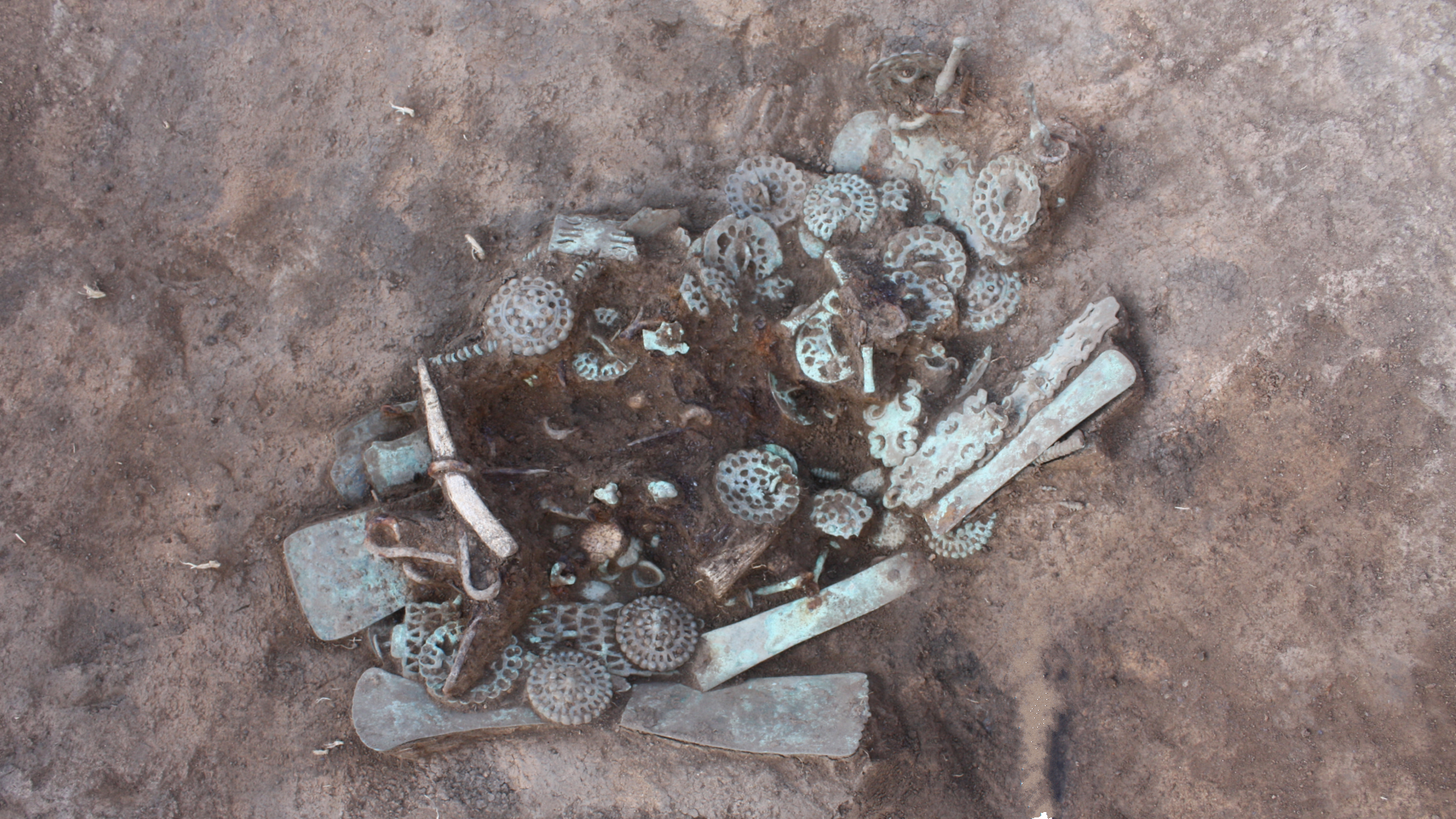
Ancient Rituals Unearthed: A Remarkable Sacrificial Complex in Southern Russia
Archaeologists have recently uncovered a truly exceptional sacrificial complex in southern Russia, near the site of Vysokaya Mogila.This discovery is rewriting our understanding of ancient funeral practices and the rituals performed by nomadic peoples in the region. It represents the richest such complex ever found, boasting an unparalleled collection of artifacts and revealing surprising details about trade and belief systems of the past.
A Glimpse into the Past
Excavations centered around a burial mound, revealing a dedicated space for post-funeral ceremonies. This wasn’t simply a place for interment; it was a location revisited for ongoing ritual activity. The sheer volume of artifacts recovered, coupled with their diverse origins, sets this complex apart.
Many items appear to have been imported from distant regions – the northern Caucasus and the northern Black Sea areas – and represent objects previously unknown in this specific geographical location. This suggests extensive trade networks and cultural exchange existed far earlier than previously thought.
Key Discoveries: unveiling the Rituals
Several key finds are illuminating the nature of these ancient rituals. Among the most striking are:
* A Silver-Lined Wooden Bowl: This intricately crafted vessel likely played a central role in sacrificial offerings.
* Boar Jaws: The presence of these animal remains strongly suggests animal sacrifice was a component of the funeral rites.
* A Wealth of Artifacts: The complex yielded a diverse array of objects, hinting at elaborate ceremonies and the status of those being honored.
These findings indicate a sophisticated understanding of death and the afterlife. The sacrificial complex appears to have been utilized by nomadic nobles,who performed rituals in the space surrounding the burial mounds.You can envision them honoring their ancestors and seeking continued favor from the spiritual realm.
Beyond Burial: A Sacred Landscape
This discovery challenges the traditional view of ancient cemeteries as solely places of rest. It demonstrates that these sites were dynamic, sacred landscapes. People actively returned to these locations to maintain connections with the deceased and participate in ongoing ritual practices.
Consider the implications: these weren’t one-time events, but rather sustained engagements with the spiritual world. This reveals a deep reverence for ancestors and a complex belief system that permeated daily life.
What Does This Mean for Our Understanding?
The richness of this sacrificial complex offers invaluable insights into the lives and beliefs of ancient nomadic cultures. It highlights the importance of understanding archaeological sites not just as repositories of objects,but as windows into the minds and hearts of those who came before us.
You can appreciate how this discovery expands our knowledge of trade routes, cultural exchange, and the evolution of religious practices. It’s a testament to the power of archaeology to illuminate the hidden chapters of human history.