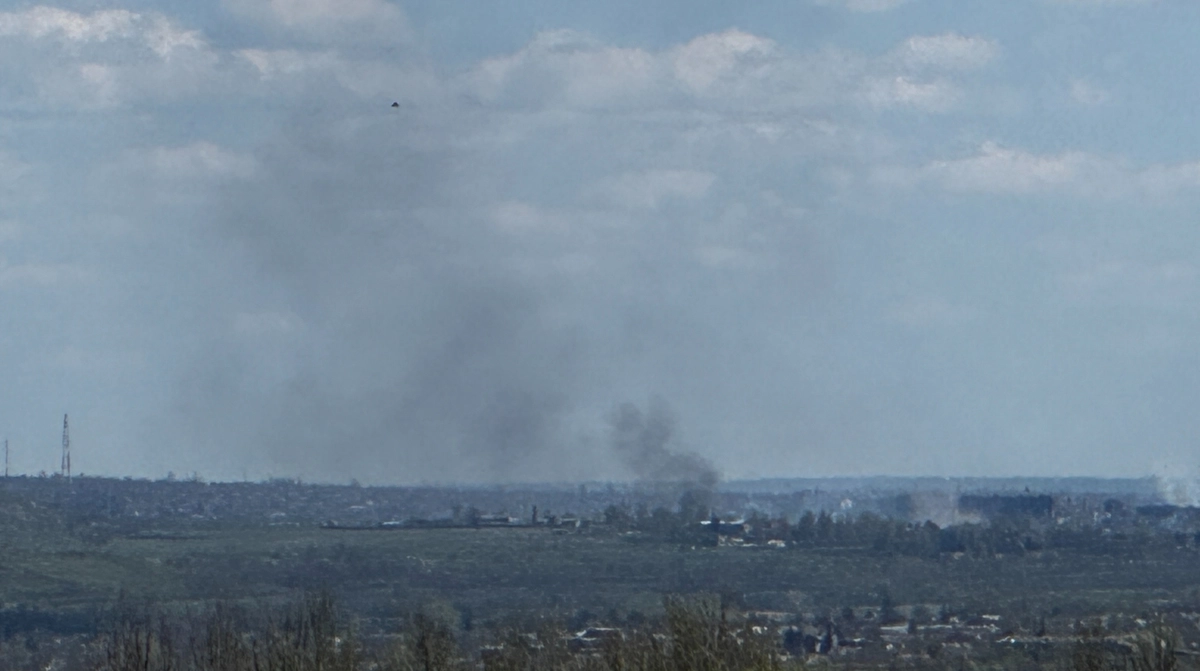
As the conflict in Ukraine enters its third year, the operational landscape on the front lines has undergone a significant shift. Recent assessments indicate that the intensity of Russian advances has encountered substantial headwinds, marking a departure from the momentum observed in previous stages of the war. For military analysts and international observers, this evolution in battlefield dynamics raises critical questions regarding the sustainability of current tactical approaches and the broader strategic objectives of the Kremlin.
According to the Institute for the Study of War (ISW), Russian forces experienced a net loss of controlled territory in the Ukrainian theater during April 2026. This development is particularly notable as it represents the first such decline in territory held by Moscow since the Ukrainian incursion into Kursk Oblast in August 2024. The data suggests that the rate of Russian advancement has been in a state of steady decline since November 2025, driven by a combination of persistent Ukrainian counterattacks and technological constraints.
Shifting Battlefield Dynamics
The decline in Russian territorial gains has been attributed to several interconnected factors. Analysts point to the effectiveness of Ukrainian mid-range strikes and the impact of the February 2026 restriction on Russian access to Starlink satellite terminals within Ukraine as key contributors to the current stalemate. Internal military challenges within the Russian ranks have been exacerbated by the Kremlin’s decision to throttle the use of the Telegram messaging application, a platform frequently utilized for military communication, and coordination.
Seasonal environmental factors also play a documented role in the pace of the conflict. The ISW reported that the winter of 2025-2026 was notably colder and wetter than the previous year, contributing to the challenges associated with the rasputitsa—the period when melting ground and spring rains degrade conditions for mechanized movement. While Russian forces have historically attempted to accelerate operations as ground conditions improve in the summer months, the current deceleration in 2026 suggests that the character of the war may be fundamentally changing.
The Impact of Infiltration Tactics
A significant challenge for military observers attempting to track these movements is the shift in Russian tactical doctrine. Throughout 2025, Russian forces increasingly relied on infiltration tactics, which prioritize small-group maneuvers over large-scale mechanized assaults. This transition makes year-on-year comparisons of territorial control more complex, as these movements are often less visible than traditional front-line pushes. However, the cumulative effect of these tactical changes and the current Ukrainian defensive posture has resulted in a marked reduction in the total area seized by Russian forces compared to the previous calendar year.
The ISW assessment highlights that Russian forces lost control of 116 square kilometers in April 2026 alone, a figure that excludes areas where Russian troops may have infiltrated but failed to consolidate. This loss of ground, coupled with the overall slowdown in the rate of advance, underscores the increasing difficulty Russian command faces in achieving decisive breakthroughs on the battlefield.
Strategic Outlook and Future Developments
As of early June 2026, the international community remains focused on the potential for further shifts in the conflict. The combination of environmental constraints, technological barriers, and the demonstrated resilience of Ukrainian defensive operations has created a period of relative stagnation in terms of territorial changes. Observers are closely monitoring whether the traditional summer uptick in operational tempo will manifest in 2026, or if the current constraints will continue to inhibit Russian strategic ambitions.

The situation remains fluid, and the coming months will likely be critical in determining whether the current trend of territorial losses for Russian forces persists. For now, the focus remains on the efficacy of defensive measures and the ability of both sides to adapt to an increasingly complex and technologically influenced theater of operations. We will continue to provide updates as new information becomes available from official assessments and verified field reports.
What are your thoughts on the shifting dynamics of the conflict? Join the discussion in the comments section below and share this report with your network to keep the conversation informed.
Related reading