
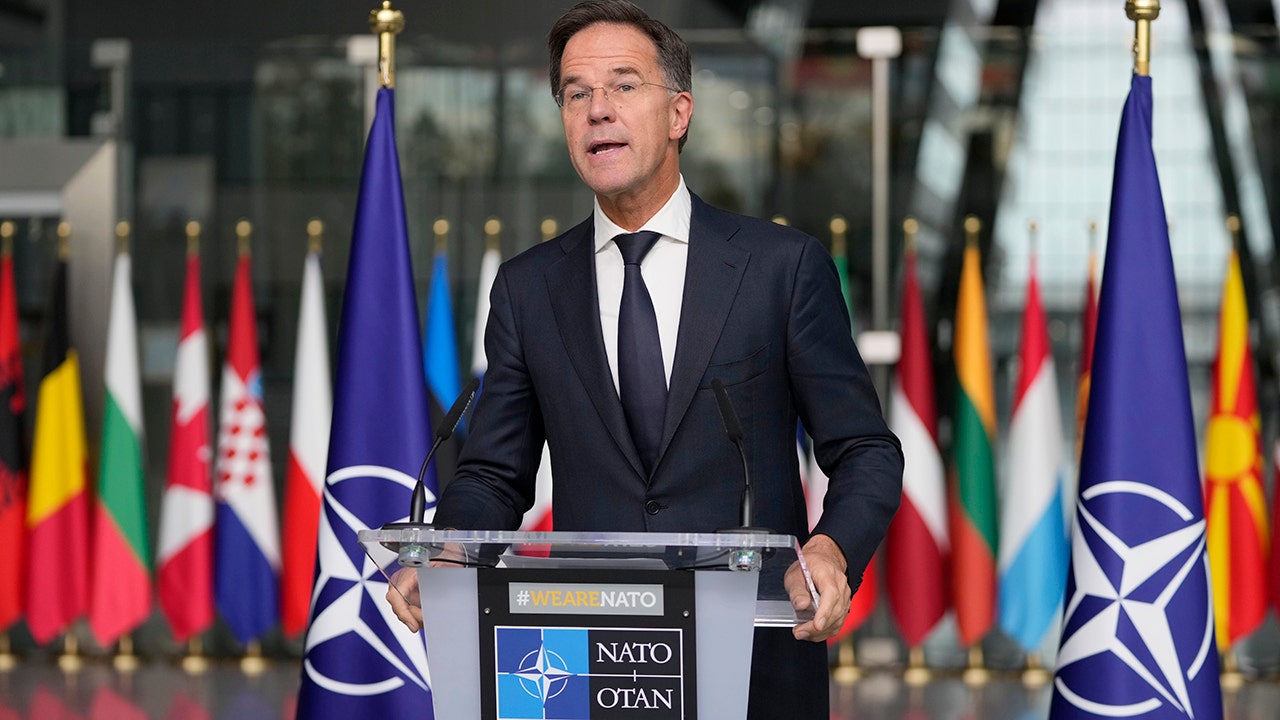
As the geopolitical landscape of Europe undergoes its most significant realignment since the end of the Cold War, the leadership of the North Atlantic Treaty Organization (NATO) is signaling a fundamental shift in how the alliance intends to maintain collective security. Mark Rutte, the 14th Secretary General of NATO, has begun outlining a vision for a more integrated security architecture—a concept some analysts are calling “NATO 3.0″—that seeks to harmonize a more capable European defense pillar with the traditional transatlantic framework.
The core of this evolution is not the creation of a separate European army, but rather the cultivation of a “stronger Europe within a stronger NATO.” This strategic pivot comes at a time when the alliance faces unprecedented pressure from Russian aggression in Ukraine, shifting political priorities in the United States, and the urgent need for technological modernization across all member states.
For global markets and defense industries, this shift represents more than just a change in military doctrine; We see a signal of long-term structural changes in defense procurement, industrial policy, and the economic allocation of security resources across the continent. As Rutte navigates his tenure, which began on October 1, 2024, the focus is increasingly on how European nations can bridge capability gaps to ensure the alliance remains resilient regardless of the political climate in Washington.
The Concept of NATO 3.0: Integration Over Fragmentation
The term “NATO 3.0” has emerged in strategic circles to describe a third era of the alliance. If the first era was defined by the containment of the Soviet Union and the second by the post-Cold War expansion and focus on counter-terrorism, the third era is being shaped by peer-to-peer competition and the necessity of high-intensity, multi-domain warfare.
Rutte’s approach appears to be a direct response to the ongoing debate regarding “strategic autonomy.” While some European leaders have pushed for a path that moves away from reliance on the United States, Rutte is advocating for a middle ground. His vision emphasizes that European strength is a prerequisite for NATO’s overall effectiveness. By increasing the interoperability of European forces and streamlining defense production, the alliance can create a more seamless response mechanism.
This evolution requires addressing several critical areas:
- Enhanced Capability: Moving beyond mere presence to ensuring European members possess the high-end combat capabilities—such as long-range precision fires and advanced air defense—necessary to deter modern threats.
- Industrial Synergy: Reducing the fragmentation of the European defense market by encouraging joint procurement and standardized equipment, which would allow for faster scaling during crises.
- Technological Parity: Integrating artificial intelligence, cyber defense, and space-based assets more deeply into the collective NATO framework.
Drivers of Change: The Geopolitical and Political Catalyst
The impetus for this structural evolution is driven by a confluence of external pressures. The most immediate is the ongoing conflict in Ukraine, which has served as a stark reminder of the vulnerabilities in European conventional defense. The war has forced a rapid reassessment of stockpiles, logistics, and the sheer scale of industrial production required for sustained high-intensity conflict.

the “transatlantic link”—the security guarantee provided by the United States—is facing renewed scrutiny. Periodic shifts in U.S. Foreign policy and domestic political volatility have led many European capitals to recognize that relying on a single guarantor is a strategic risk. This realization is driving the push for a more self-reliant European component that can act as a stabilizing force within the alliance.

British security expert and analyst Timothy Ash has provided a more sobering perspective on this transition. Ash has suggested that the era of predictable, paternalistic security provided by the United States is reaching its conclusion. His commentary reflects a growing sentiment among analysts that the “old” NATO, where Europe could rely on a largely unilateral security umbrella, is effectively being replaced by a more complex, multi-polar security management system where European nations must take a much more active and costly leadership role.
The Economic Dimension: Defense as a Strategic Industry
From a business and economic perspective, the move toward a “stronger Europe” within NATO is a massive driver for the defense sector. The shift from “peace dividend” spending to “deterrence” spending is fundamentally altering the revenue trajectories of major European defense contractors. We are seeing a transition from procurement cycles based on incremental upgrades to those based on rapid, large-scale capacity expansion.
Key economic implications include:
1. Scaling the Defense Industrial Base: To meet NATO’s increased requirements, European defense firms are being pressured to increase production rates for artillery, ammunition, and armored vehicles. This requires significant capital investment in manufacturing facilities and supply chain resilience.
2. The Push for Interoperability: One of the greatest inefficiencies in European defense has been the “alphabet soup” of different equipment and standards. A more integrated NATO 3.0 framework incentivizes the adoption of common standards, which lowers costs through economies of scale and simplifies joint operations.
3. Increased Defense Budgets: The push for NATO members to meet or exceed the 2% of GDP spending target is no longer a mere suggestion but a political and strategic necessity. This sustained increase in defense spending provides a predictable, long-term tailwind for the aerospace, defense, and cybersecurity sectors.
Challenges to Implementation
Despite the strategic logic, the path to a more integrated European NATO is fraught with obstacles. The primary challenge is political: achieving consensus among 32 diverse member states with varying economic capacities and strategic priorities is an immense task. Some nations are wary of any move that might dilute their sovereignty or lead to excessive defense spending that could strain domestic social programs.

There is also the risk of “de-coupling.” If the push for European defense capability is perceived by Washington as an attempt to distance Europe from the United States, it could undermine the very transatlantic unity that Rutte aims to strengthen. The goal is to ensure that a stronger Europe complements, rather than replaces, the U.S. Role in the alliance.
Key Takeaways: The Future of NATO
- Strategic Pivot: NATO is moving toward a model that emphasizes a more capable and autonomous European defense component within the existing alliance.
- Rutte’s Vision: Secretary General Mark Rutte is advocating for “stronger Europe” to ensure a more resilient and effective NATO.
- Economic Impact: The shift is driving massive demand for defense industrial scaling, procurement standardization, and increased defense spending across Europe.
- Geopolitical Reality: Uncertainty regarding U.S. Long-term security commitments is a primary driver for European nations to increase their own defense capabilities.
- Core Objective: The goal is to enhance deterrence through interoperability and technological modernization, not to create a separate European entity.
Conclusion and Looking Ahead
The evolution toward what is being termed “NATO 3.0” represents a fundamental recalibration of the Western security architecture. Under Mark Rutte’s leadership, the alliance is attempting to bridge the gap between the traditional transatlantic security model and the new reality of a more fragmented and dangerous geopolitical era.
Whether this vision can be realized will depend on the ability of European nations to translate political rhetoric into industrial capacity and coordinated military spending. As the alliance moves toward its next major summits, the focus will remain on the practicalities of integration: how to build the factories, how to standardize the equipment, and how to ensure that a “stronger Europe” truly results in a “stronger NATO.”
Next Checkpoint: The upcoming NATO summits and subsequent ministerial meetings will be critical for observing official commitments to defense spending targets and new initiatives regarding European defense industrial cooperation.
What are your thoughts on the shift toward a more integrated European defense role? How will this impact global markets and regional stability? Let us know in the comments below and share this article with your network.