
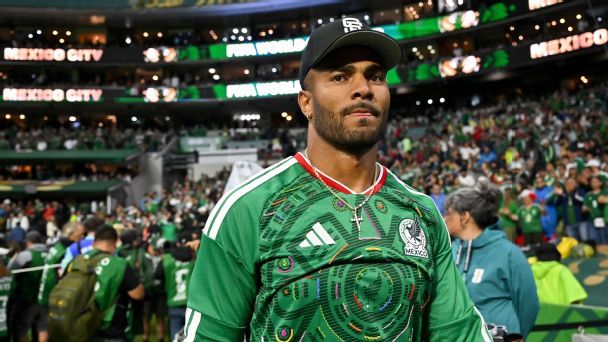
High-profile celebrities including Ryan Reynolds, Tom Brady, and Olivia Rodrigo have increasingly become fixtures at major global sporting events, signaling a shifting intersection between Hollywood, international sports leagues, and fan culture. This trend, often highlighted during major tournaments, reflects a strategic expansion of celebrity influence beyond traditional film and music promotion, as stars align themselves with athletic organizations to boost global visibility.
The presence of these figures at high-stakes matches is not merely incidental; it is part of a broader marketing ecosystem where entertainment and sports media converge. According to reports from ESPN, the involvement of actors like Reynolds in professional football—specifically his ownership of Wrexham AFC—has set a precedent for celebrity-led sports investment. This model leverages the star’s existing digital reach to convert casual observers into dedicated fans, a strategy that has seen significant success in the United Kingdom and across international markets.
The Ryan Reynolds Effect in Sports Ownership
Ryan Reynolds, alongside fellow actor Rob McElhenney, acquired Wrexham AFC in February 2021, a move that transformed the Welsh club’s profile on a global scale. As documented by BBC Sport, the subsequent docuseries Welcome to Wrexham provided an unprecedented look at the club’s operations and community impact. By integrating personal storytelling with the competitive nature of professional sports, the ownership group has successfully bridged the gap between entertainment audiences and traditional football supporters.
The impact of this ownership model is measurable. The club’s social media following and merchandise sales saw exponential growth following the acquisition, as confirmed by Reuters. This demonstrates how high-profile ownership can serve as a catalyst for institutional growth, particularly for lower-league teams seeking to elevate their brand presence in a crowded sports media landscape.
Celebrity Influence on Global Audiences
The visibility of pop culture figures at events like the Super Bowl, the FIFA World Cup, and various tennis Grand Slams serves as a powerful marketing tool for sports leagues. Olivia Rodrigo, a multi-platinum recording artist, has frequently appeared at public events, drawing younger demographics toward sports franchises. This cross-pollination of audiences is a primary objective for leagues aiming to maintain relevance in an era of fragmented media consumption.

Tom Brady, a seven-time Super Bowl champion, remains a central figure in this dynamic even following his retirement from the NFL. Brady’s transition into sports broadcasting and his involvement in various media ventures, as reported by The New York Times, highlight the ongoing trend of athletes maintaining celebrity status well after their playing careers conclude. These figures act as anchors for viewers who may not follow the sport closely but are drawn to the personalities involved.
Why Entertainment and Sports are Merging
The integration of celebrities into sports is largely driven by the need for leagues to expand their reach beyond traditional geographic boundaries. According to a Forbes analysis, the “celebrity owner” model allows teams to tap into the massive, pre-existing digital audiences of their owners. This reduces the cost of customer acquisition for teams and creates a more intimate relationship between the talent and the fan base.
Furthermore, the rise of streaming platforms has incentivized this partnership. Platforms are increasingly seeking content that combines the high-stakes drama of sports with the narrative structure of reality television. By featuring celebrities at these matches, leagues ensure that event coverage remains “appointment viewing” for a wide range of audiences, not just those interested in the specific rules or statistics of the game.
Future Outlook for Celebrity Sports Partnerships
As the lines between entertainment and athletics continue to blur, industry analysts suggest that we are likely to see more celebrity-led acquisitions and partnerships. The next major checkpoint for these developments often occurs during league-wide meetings or at the start of new broadcast seasons, when ownership groups and media partners outline their strategic goals. According to The Wall Street Journal, media rights deals remain the most significant factor in how these partnerships are structured financially.
For fans, this shift means that the “celebrity appearance” at a game is likely to become a more permanent feature of the sporting experience. Whether through direct ownership, ambassador roles, or collaborative content creation, the influence of Hollywood on the sports world is firmly established. Readers interested in following these trends can monitor official team announcements and league press releases for updates on future ownership shifts and collaborative initiatives.
What do you think about the influence of celebrity owners on professional sports? Join the conversation in the comments section below and share your thoughts on how this trend might shape the future of your favorite teams.