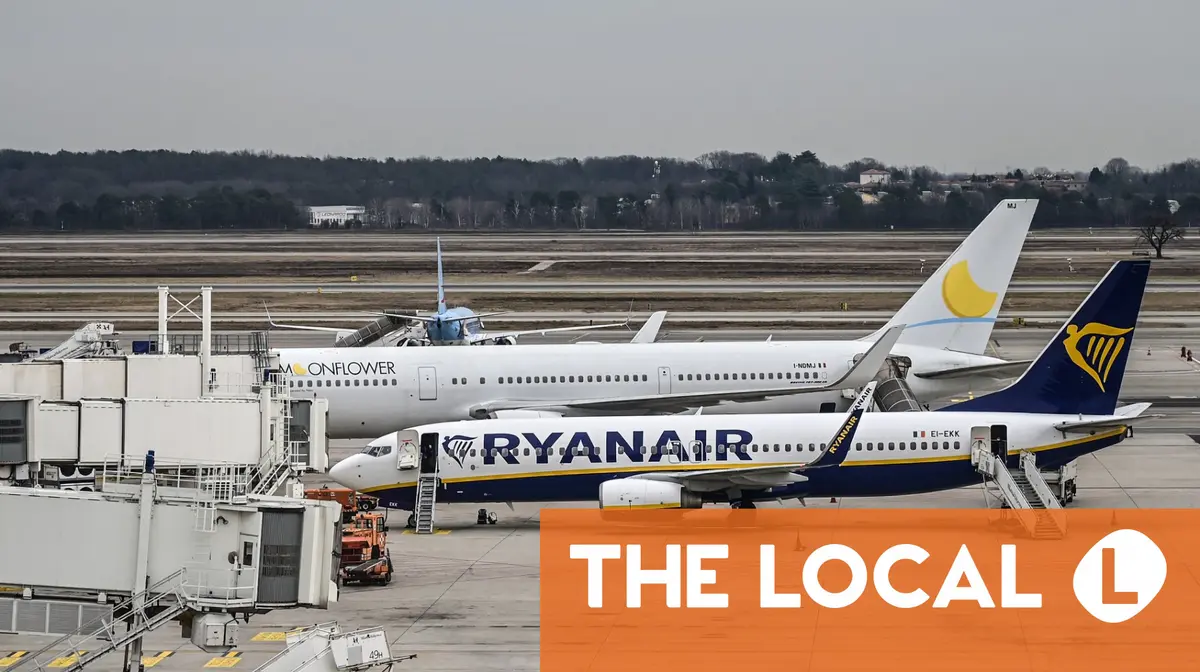
italy’s Airport Taxes: How Ryanair‘s Decisions Are Reshaping Flight Routes
Ryanair, Europe’s largest low-cost carrier, is substantially altering its Italian flight network in response to regional airport taxes. These taxes, levied on passengers, are creating a clear divide between thriving and struggling Italian regions, impacting tourism and connectivity. This article dives into the specifics of these changes, what they mean for your travel plans, and the broader implications for Italy’s aviation landscape.The Core Issue: Rising Airport Costs
Italy has introduced several new taxes impacting airlines. A municipal surcharge, applied to major airports handling over 10 million passengers annually, has already prompted Ryanair to reduce its presence in Rome. However, the more significant friction stems from regional boarding taxes, ranging from €6.50 to €9 per passenger, set independently by each region.
Ryanair argues these taxes undermine its low-cost model and are directly influencing where it allocates its aircraft and expands its services.
How Ryanair is Responding: A regional Breakdown
Ryanair isn’t simply absorbing these costs. Instead, it’s strategically shifting capacity to regions offering more favorable tax environments. Here’s a look at how different areas are faring:
calabria: This region is a clear winner, gaining new routes from Reggio Calabria and Lamezia Terme. These include connections to London Stansted, Brussels Charleroi, Milan Malpensa, Pisa, Frankfurt Hahn, and Paris Beauvais.
Abruzzo: Five new destinations have been added, including Wroclaw, Cagliari, Kaunas, Valencia, and an increased Milan Malpensa service (now twice daily).
Puglia: While gaining some winter routes to Marseille and Tirana from Bari, and Trieste from Brindisi, Puglia has also experienced route losses, such as the Bari to Liverpool connection.
Sicily: Unfortunately, Sicily is facing a complete freeze on new routes for the upcoming year. Ryanair has explicitly cited local taxes as the reason for halting expansion plans, stating the surcharge harms the island’s tourism economy.
Sardinia: This island region, despite having three international airports, is expressing concerns about potential further isolation due to the tax situation.
The Impact on You: What Travelers need to Know
These changes mean your options for affordable flights to and within Italy are becoming increasingly dependent on the region.
Flexibility is key. Consider flying into airports in regions with lower taxes to potentially save money.
Be aware of regional variations. The cost of your flight can differ significantly based on the departure and arrival airport.
Plan ahead. Route availability is constantly evolving as Ryanair adjusts to the tax landscape.
Ryanair’s Stance and Future Outlook
Ryanair is actively urging regional authorities, notably in sicily, to abolish these taxes. The airline points to Calabria as a triumphant example, arguing that eliminating the tax will safeguard tourism, year-round connections, and affordable travel for citizens.
Despite these challenges, Ryanair remains optimistic about the Italian market. The carrier views Italy as a profitable destination and is even redirecting capacity from Spain to capitalize on opportunities. Wilson, a Ryanair executive, confirmed the company is allocating its 300 new aircraft to competitive airports, with Italy being a key beneficiary alongside Morocco.
Looking ahead: A Call for Consistency
The current situation highlights the need for a more consistent and competitive airport tax policy across Italy. A unified approach could unlock further growth in tourism and connectivity, benefiting both travelers and the Italian economy. For now, travelers should stay informed and be prepared to adjust their plans based on the evolving landscape of Italian airport taxes.
Keep reading