
Saadiyat Island in Abu Dhabi has emerged as a premier global destination, successfully integrating high-end luxury tourism with a sophisticated cultural and artistic infrastructure. According to the Department of Culture and Tourism – Abu Dhabi, the island serves as the cornerstone of the emirate’s strategy to position itself as a hub for international arts, featuring iconic institutions such as the Louvre Abu Dhabi and upcoming developments like the Zayed National Museum and Guggenheim Abu Dhabi.
The island’s development is characterized by a deliberate balance between modern architectural ambition and environmental conservation. As part of a long-term master plan, Saadiyat Island is designed to house a “Cultural District” that operates alongside protected natural ecosystems, including the island’s extensive mangrove forests and nesting grounds for hawksbill turtles. This synthesis of urban planning and ecological stewardship represents a significant component of the UAE’s broader economic diversification efforts.
The Cultural District: A Hub for Global Art
The centerpiece of Saadiyat’s cultural ambition is the Saadiyat Cultural District, which hosts a series of world-class museums designed by Pritzker Prize-winning architects. The Louvre Abu Dhabi, which opened in 2017, serves as the anchor, showcasing a universal collection that spans thousands of years of human history. The institution is a result of a 30-year intergovernmental agreement between the UAE and France.
Beyond the Louvre, the cultural landscape is expanding to include:
- Zayed National Museum: Dedicated to the history and unification of the UAE, the museum features a distinct design inspired by the feathers of a falcon.
- Guggenheim Abu Dhabi: Currently under development, the museum is set to focus on global modern and contemporary art, further cementing the island’s status in the international art market.
- Natural History Museum Abu Dhabi: This facility is designed to house rare specimens and focus on scientific research and educational outreach.
The development of these institutions is overseen by the Department of Culture and Tourism, which coordinates the acquisition of collections and the management of international partnerships to ensure the district meets global museum standards.
Balancing Luxury Tourism and Environmental Conservation
Saadiyat Island is home to some of the region’s most exclusive hospitality offerings, including high-end beachfront resorts and golf courses. However, the island’s physical geography requires strict environmental management. The Environment Agency – Abu Dhabi (EAD) enforces regulations to protect the coastline, particularly the nesting sites of the hawksbill turtle, a critically endangered species.
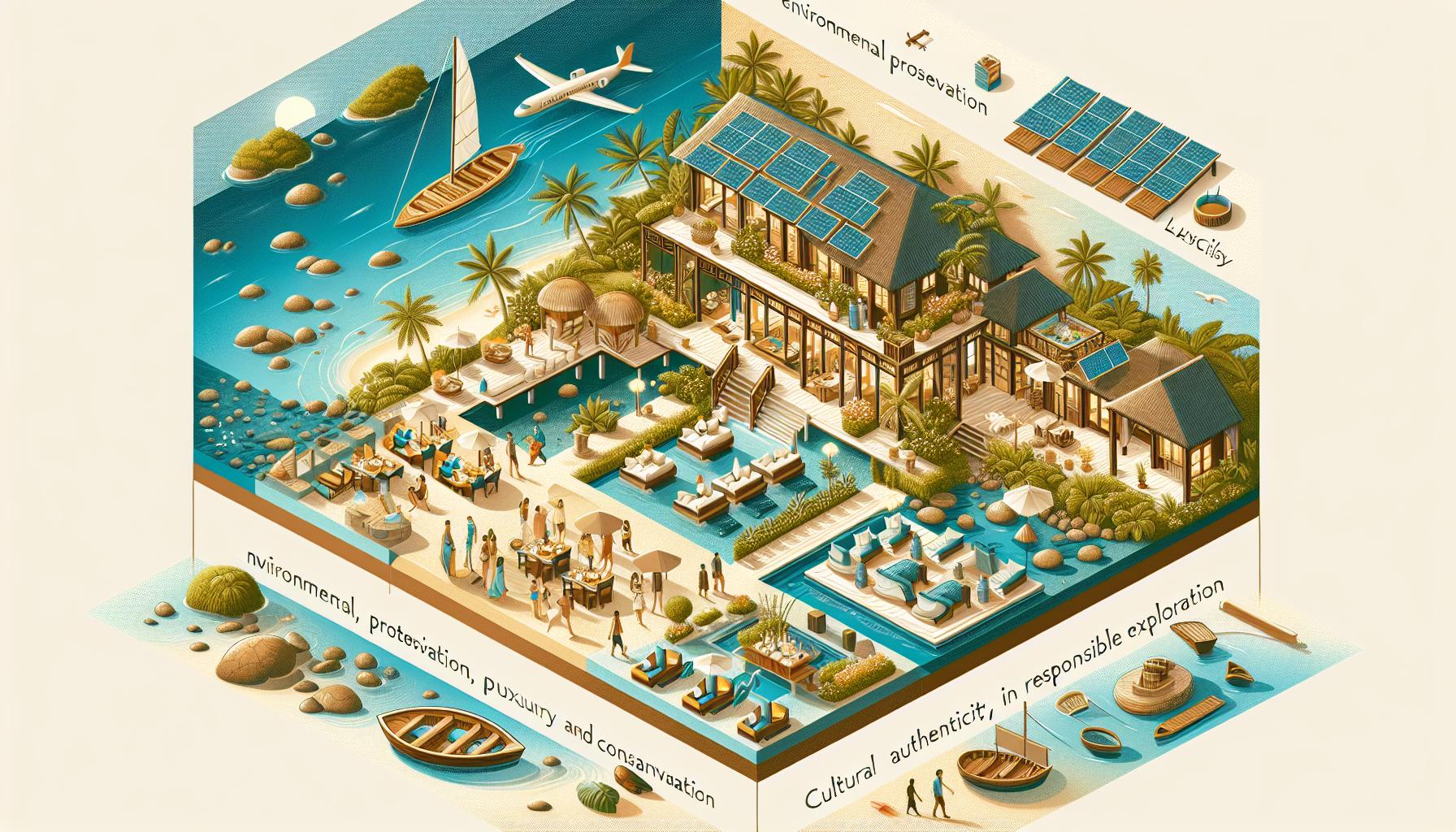
Developers on the island are required to adhere to stringent building codes that mandate the protection of the mangrove forests and the maintenance of natural dune systems. This regulatory framework ensures that the expansion of luxury real estate and tourism infrastructure does not come at the expense of the island’s biodiversity. The integration of these environmental safeguards is a key requirement for any new project seeking approval from the municipal authorities.
Economic Impact and Strategic Development
The economic strategy behind Saadiyat Island is rooted in the “Abu Dhabi Economic Vision 2030,” which seeks to reduce the emirate’s reliance on hydrocarbon exports by fostering a robust tourism and services sector. By hosting major international exhibitions and high-profile cultural events, the island attracts a segment of high-net-worth travelers and art collectors, contributing to the growth of the local hospitality and retail markets.
The Aldar Properties group, a major developer in the region, has played a central role in the residential and commercial build-out of the island. Their projects reflect the broader market demand for premium real estate in Abu Dhabi, driven by both domestic investors and an increasing number of international residents. Recent data on property transactions indicates sustained interest in the island’s luxury residential segments, as reported in the most recent market updates provided by the Department of Municipalities and Transport.
Future Outlook for Saadiyat Island
The next phase of growth for Saadiyat Island involves the completion of the remaining museums in the Cultural District and the further expansion of its luxury residential footprint. Official updates regarding construction timelines and project milestones are released periodically by the Department of Culture and Tourism. Stakeholders and potential investors are encouraged to monitor the official portals of the Abu Dhabi government for verified information regarding upcoming infrastructure tenders and cultural programming.
As the island continues to evolve, the challenge for developers remains the maintenance of the delicate balance between high-density development and the preservation of the unique coastal ecosystem. The ongoing success of Saadiyat will be measured not only by its ability to draw international visitors but also by its adherence to the environmental mandates set by the state. For those interested in the latest developments, the government’s public records and official press releases remain the most reliable sources for project status updates.
What are your thoughts on the development of Saadiyat Island as a global cultural destination? Share your insights or questions in the comments section below.