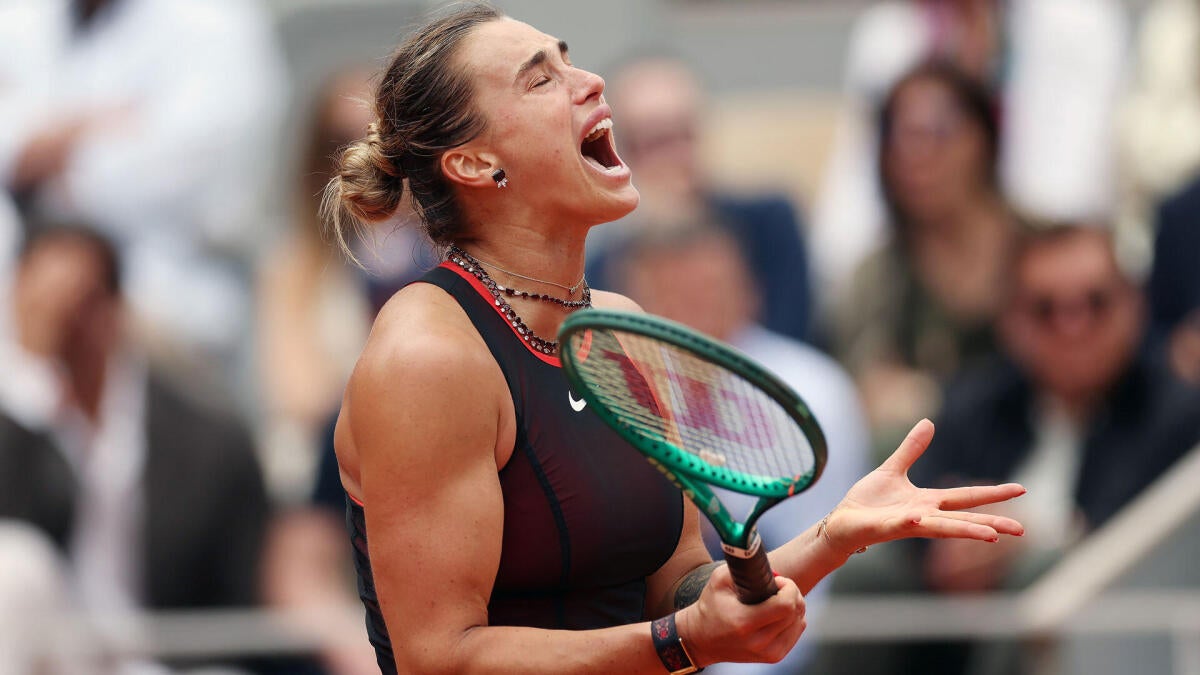
World No. 1 Aryna Sabalenka was eliminated from the 2026 French Open on Wednesday after a dramatic quarterfinal collapse against Diana Shnaider. Despite securing the opening set and holding two breaks of serve in the second, Sabalenka failed to maintain her momentum, eventually falling to the 22-year-old rising star at Roland-Garros. The defeat marks a significant departure from the tournament expectations surrounding the top seed, who entered the clay-court major as a primary favorite for the title.
According to official match statistics provided by the Roland-Garros tournament portal, the match concluded with Shnaider mounting a tactical recovery that neutralized Sabalenka’s baseline power. The loss prevents Sabalenka from advancing to the semifinal stage, where she had been projected to face the winner of the remaining bracket. For Shnaider, the victory represents one of the most significant results of her professional career to date.
Match Dynamics and the Shift in Momentum
The contest began with Sabalenka asserting control, utilizing her signature aggressive groundstrokes to dictate play. By the middle of the second set, she held a commanding lead, appearing poised to close the match in straight sets. However, the trajectory of the encounter shifted as Shnaider increased her defensive depth and forced a higher volume of unforced errors from the world’s top-ranked player.
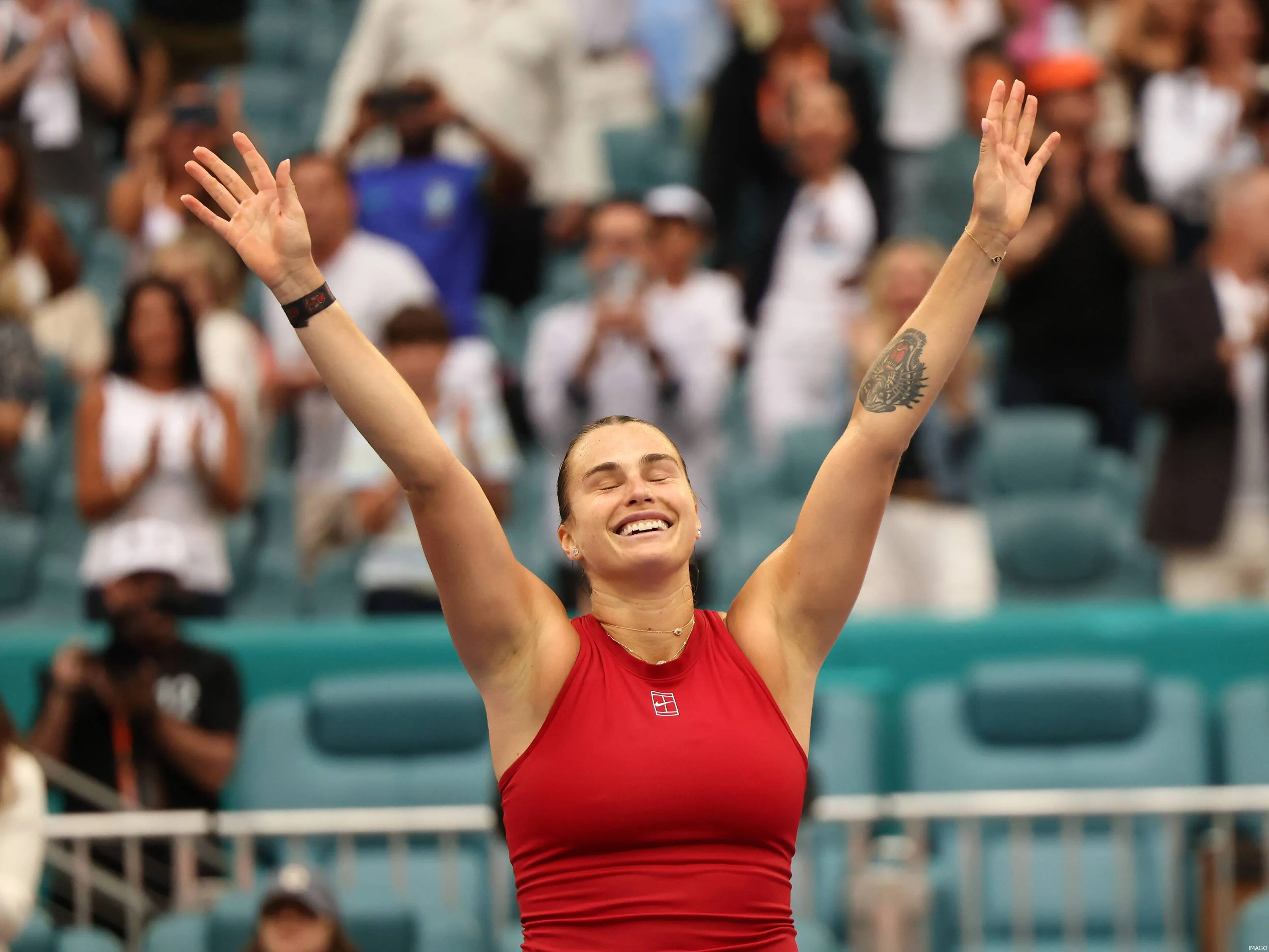
Tennis analysts reporting from Paris noted that the change in court conditions and Shnaider’s ability to redirect pace played a critical role in the unraveling of Sabalenka’s game. As documented by the Women’s Tennis Association (WTA), Shnaider’s composure under pressure allowed her to break back twice in the second set, effectively shifting the psychological advantage. By the third set, Sabalenka’s service rhythm faltered, and Shnaider capitalized on the opportunity to secure the victory.
Historical Context and Tournament Impact
The exit of the top seed at this stage of the French Open alters the landscape of the 2026 draw. Historically, Roland-Garros has proven to be a demanding environment for power players, with the surface requiring a high level of patience and tactical adaptability. Sabalenka’s departure leaves the field wide open, providing an opening for other high-seeded competitors to contend for the trophy.
This result echoes previous upsets at major championships where momentum shifts have derailed tournament favorites. As reported by the International Tennis Federation (ITF), the 2026 season has already seen a high degree of volatility in the women’s rankings, with young players like Shnaider increasingly challenging the established hierarchy. The loss will result in a significant shift in points for the WTA rankings, which are updated weekly following the conclusion of major events.
What Happens Next for the Contenders
With a spot in the semifinals secured, Diana Shnaider is scheduled to continue her campaign at Roland-Garros later this week. The tournament schedule, published by the French Tennis Federation, confirms that the women’s semifinals are slated to take place on Thursday and Friday. Players remaining in the draw are now recalibrating their strategies to account for the absence of the top seed.
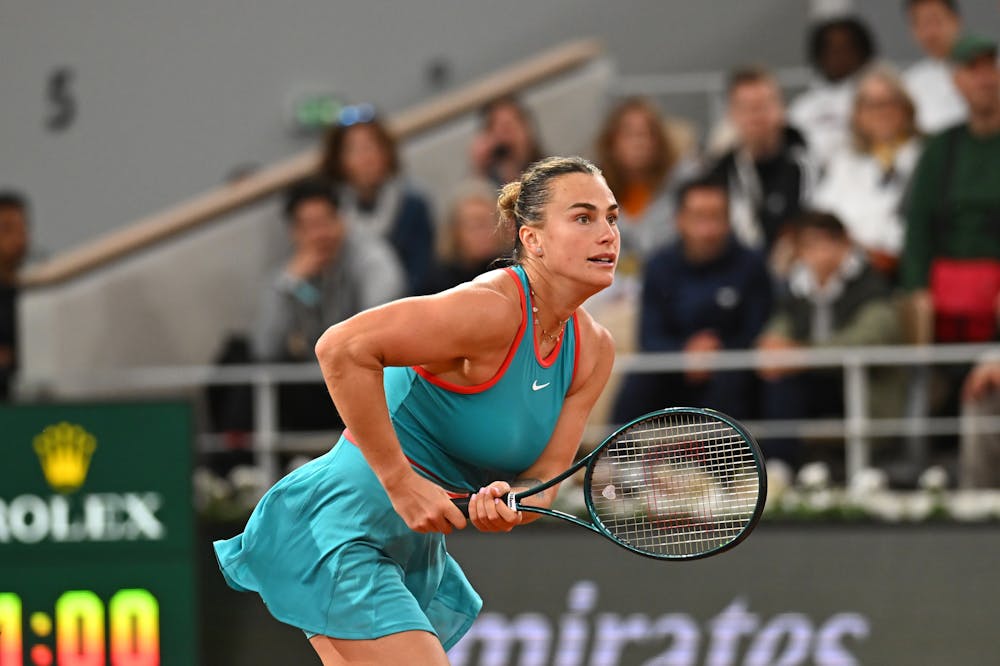
For Sabalenka, the focus shifts toward the upcoming grass-court season and preparation for future Grand Slam events. Post-match interviews conducted at the venue indicated that the player intends to review the tactical breakdown of this loss with her coaching team. Fans and followers of professional tennis can access official bracket updates and match replays through the tournament’s official digital channels. We encourage readers to share their thoughts on this result in the comments section below.
Worth a look