The Fading Threads of Syrian Resilience: How War Silenced a Legacy of Embroidery
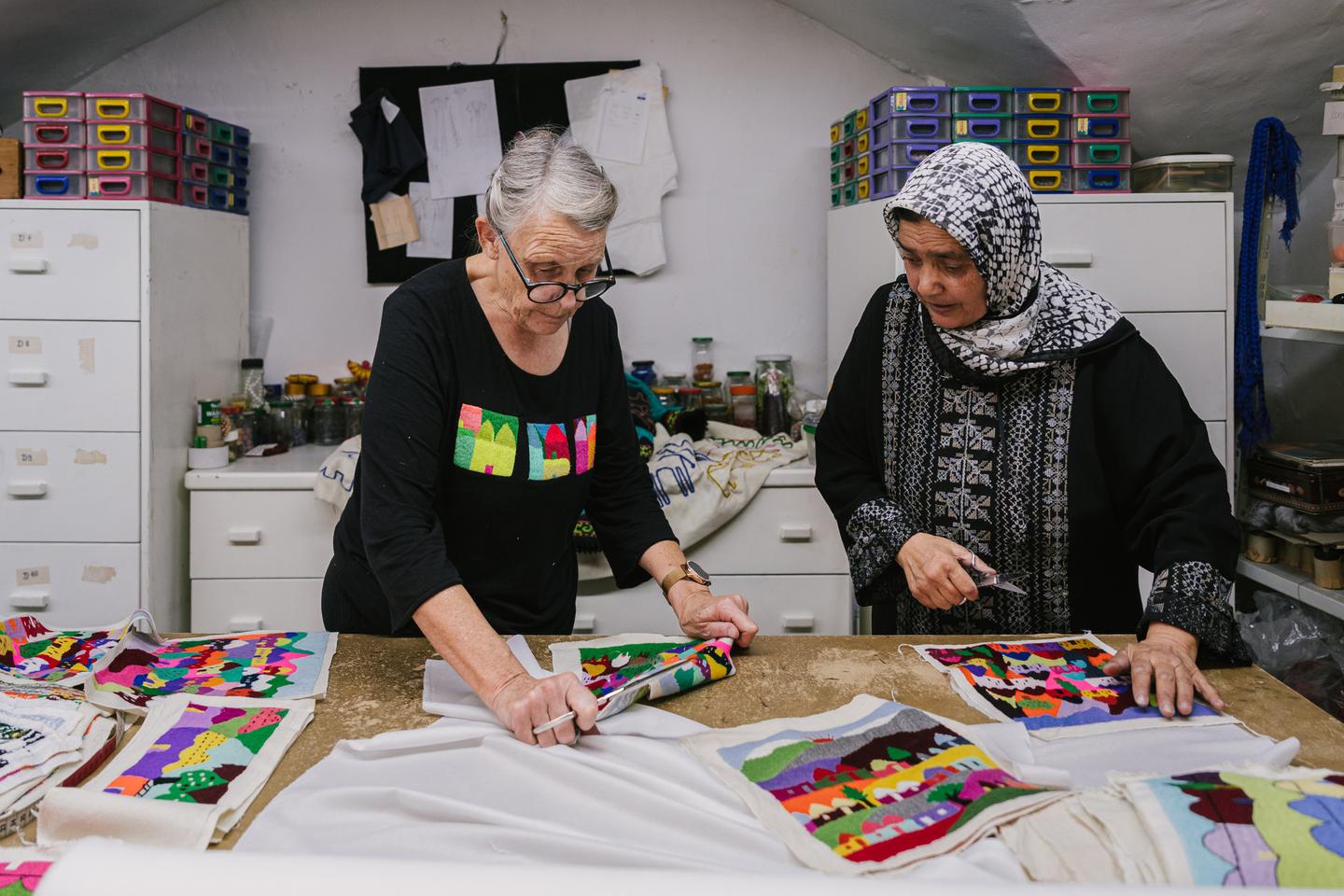
The vibrant art of Syrian embroidery, once adorning royalty and gracing the pages of high-fashion magazines, now whispers tales of loss and displacement. It’s a story etched not just in stitches,but in the fractured lives of the women who carry on this ancient tradition,even as their world has crumbled around them. This isn’t simply about textiles; it’s about the enduring spirit of a people and the poignant way they grapple with unimaginable trauma.
from Flourishing Craft to a Chronicle of Conflict
For decades, Syrian embroidery was a symbol of national pride. It represented the country’s rich diversity and exquisite craftsmanship. These weren’t just fabrics; they were statements, sought after by queens, presidents’ wives, and the elite fashion world. Publications like Wallpaper showcased their intricate designs,fueling international demand.
Though, the outbreak of the Syrian Civil War in 2011 irrevocably altered this narrative. What began as a revolution quickly descended into a brutal armed conflict, forcing communities to flee for their lives. I’ve found that in times of upheaval, art often becomes a powerful form of witness, and for the women of Syria, their embroidery became just that.
A Life Disrupted, A Palette Darkened
Consider Watta Al-Joumaa, a 61-year-old embroiderer whose work reflects the profound impact of the war. Her once-luminous designs have become muted,mirroring the darkness that has enveloped her life. You can almost feel the weight of displacement in her stitches.
she, along with many others, sought refuge in Al-Safira, a town north of her village. But even there, peace remains elusive. The constant noise and pollution stand in stark contrast to the tranquility she once knew. Now, inspiration comes not from the beauty around them, but from the haunting landscapes of their dreams.
Embroidering memories, Facing Reality
The sisters, Watta and Jamila Al-Joumaa, attempt to recreate their former lives through their art. They painstakingly stitch scenes of sun-drenched days, laundry lines swaying in the breeze, and the remnants of their village – homes scarred by bombs. But alongside these nostalgic images, they also depict the harsh realities of war: pools of blood, burning fields, and the ominous silhouettes of fighter jets.
It’s been nearly a year since the Assad regime fell,yet these women remain tethered to the past. Their embroidery isn’t just a craft; it’s a form of therapy, a way to process trauma, and a testament to their resilience.
The Legacy at Stake
Here’s what makes this story so critical:
* A Cultural Heritage: Syrian embroidery is more than just a beatiful art form; it’s a vital part of the country’s cultural identity.
* Women’s Empowerment: For generations, this craft has provided women with economic independence and a sense of purpose.
* A Silent Protest: In a country where freedom of expression is limited, embroidery offers a subtle yet powerful form of resistance.
* A Call to Remember: These intricate designs serve as a poignant reminder of the human cost of war and the importance of preserving cultural traditions.
The future of this art form, and the women who practice it, hangs in the balance. As the world moves on, it’s crucial that we don’t forget the stories woven into every thread – stories of loss, resilience, and the enduring power of the human spirit.you can definitely help ensure their voices aren’t silenced by supporting organizations dedicated to preserving Syrian cultural heritage and assisting displaced artisans.