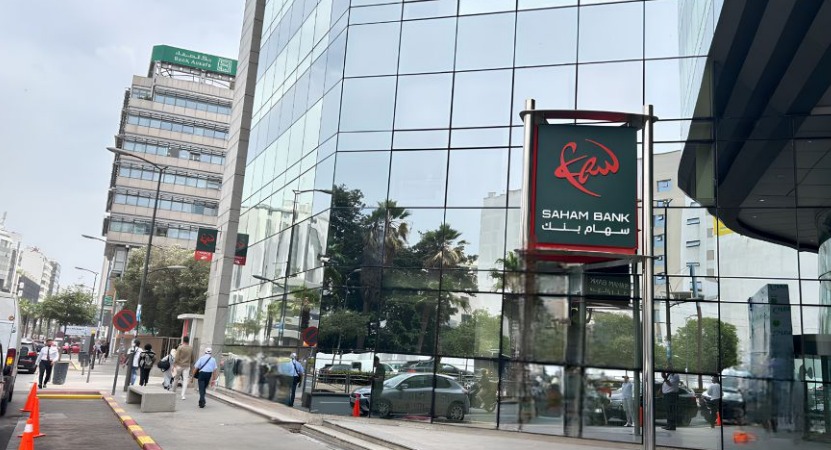
The financial landscape is shifting as institutions move toward more accessible digital services. In a recent development, Saham Bank has announced the generalization of free transfers, a move designed to lower the barriers for consumers managing their finances in an increasingly digital economy.
This strategic shift is paired with the introduction of new banking packages starting at 35 dirhams per month. By integrating these costs into a structured monthly fee, the bank aims to provide more predictable pricing for its clients while encouraging the adoption of electronic payment methods over traditional, cost-heavy transactions.
For the average consumer, the move toward free transfers represents a significant change in how daily banking is handled. Eliminating per-transaction fees for transfers can reduce the monthly overhead for individuals and small businesses, potentially increasing the velocity of money within the local digital ecosystem.
Understanding the New Banking Packages
The core of this update centers on a new pricing structure. Saham Bank is launching packages that begin at 35 dirhams per month. These bundles are intended to integrate essential services, reducing the need for customers to pay separate, fragmented fees for every individual action they take within their accounts.
This model aligns with a broader global trend in “fintech-style” banking, where traditional institutions adopt subscription-based models to compete with agile digital-only banks. By offering a baseline monthly cost, the bank provides a level of transparency that allows users to budget their banking expenses more effectively.
The Impact of Free Transfers
The generalization of free transfers is the most critical component of this announcement. In many traditional banking systems, transfers—especially those between different banks or across regions—often incur a fee. By removing these costs, Saham Bank is effectively subsidizing the movement of capital to improve user experience and attract a wider customer base.
This shift is particularly relevant for users who frequently move funds for bills, peer-to-peer payments, or small business invoices. When the cost of transferring money is removed, the friction of digital commerce decreases, which typically leads to higher engagement with the bank’s mobile and online platforms.
Digital Integration and User Accessibility
To support these new offerings, the bank is emphasizing its presence across digital communication channels. The integration of services through platforms like WhatsApp and Telegram reflects a shift toward “conversational banking,” where customers can access information and support through the apps they already use daily.

Yet, the rise of banking services on social messaging platforms has also led to an increase in security risks. While official channels provide convenience, the broader financial industry has seen a surge in fraudulent activity. For instance, regulators and financial institutions have recently issued alerts regarding “Investor Scam Alerts,” where fake groups on WhatsApp and Telegram claim to offer guaranteed returns on investment packages to deceive users via official alerts from ASNB.
other entities have warned against scams involving the unauthorized use of WhatsApp, Telegram, and email by individuals claiming to represent official organizations as noted by MATRADE. This underscores the importance for Saham Bank customers to ensure they are interacting only with verified, official accounts when managing their new banking packages.
What This Means for the Consumer
For the end-user, the primary benefit is a reduction in “micro-fees.” Small charges for transfers can add up over a month, often exceeding the cost of a flat-rate subscription. By switching to a 35-dirham monthly package with free transfers, high-volume users can realize significant savings.
The transition also encourages the use of digital banking over physical branch visits. As transfers become free and managed via apps, the reliance on physical paperwork and teller-mediated transactions diminishes, furthering the bank’s digital transformation goals.
Security Considerations in Digital Banking
As Saham Bank and other institutions push users toward digital channels, security remains the paramount concern. The convenience of a 35-dirham package and free transfers is only valuable if the underlying platform is secure. Users are encouraged to enable multi-factor authentication (MFA) and be wary of any unsolicited messages asking for banking credentials.
The industry-wide trend of moving toward “free” services often puts a premium on data and user engagement. Consumers should review the terms and conditions of their specific banking packages to understand what is included in the monthly fee and whether We find any limits on the number of “free” transfers allowed per billing cycle.
With the digitalization of finance accelerating, the move by Saham Bank to generalize free transfers is a response to a market that now demands instant, low-cost movement of funds. As more banks adopt this model, the standard for “basic” banking services will likely shift from fee-per-service to a more inclusive, subscription-based approach.
For those looking to update their accounts or enroll in the new packages, the bank’s official digital channels and physical branches remain the only verified points of contact for account modifications.
We will continue to monitor official updates regarding the rollout of these packages and any further adjustments to the fee structures. We invite our readers to share their experiences with digital banking transitions in the comments below.
Worth a look