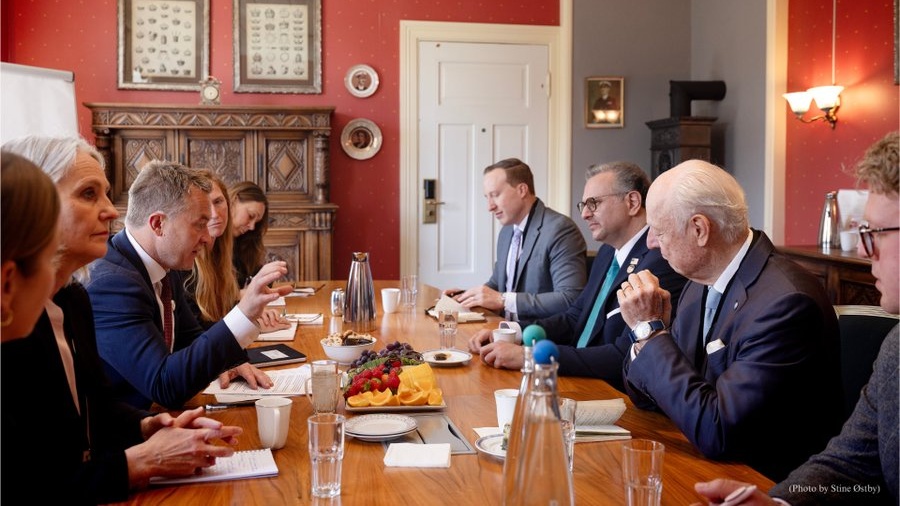
Diplomatic efforts surrounding the status of the Western Sahara have intensified following reports that Massad Boulos, an advisor to President-elect Donald Trump, has advocated for a swift resolution to the long-standing territorial dispute. According to recent reporting, these communications emphasize the necessity of “good faith” negotiations to break the current diplomatic impasse that has characterized the region for decades.
The Western Sahara remains a complex geopolitical issue involving the Kingdom of Morocco and the Polisario Front, with the United Nations serving as the primary mediator through its mission, MINURSO. The international community, including the United States, has increasingly focused on the Moroccan autonomy plan as a viable framework for a lasting political solution, a stance that gained significant momentum following the U.S. recognition of Moroccan sovereignty over the territory in December 2020, as detailed in official U.S. Department of State archives.
The Diplomatic Landscape and UN Resolution 2797
The United Nations Security Council continues to oversee the status of the territory, most recently reinforcing its commitment to a realistic and mutually acceptable political solution through Resolution 2797, adopted in October 2024. This resolution extended the mandate of the United Nations Mission for the Referendum in Western Sahara (MINURSO) until October 31, 2025. The document underscores the importance of the parties—Morocco, the Polisario Front, Algeria, and Mauritania—engaging in the political process with a spirit of realism and compromise.
The call for “good faith” discussions, as referenced in recent diplomatic discourse, aligns with the UN’s persistent push for direct dialogue. Analysts suggest that the international consensus is shifting away from historical models of conflict resolution toward a pragmatic framework that prioritizes regional stability and economic integration. The ongoing involvement of the Personal Envoy of the Secretary-General, Staffan de Mistura, remains central to facilitating these discussions, despite the challenges in securing consistent participation from all involved parties.
Shifting Dynamics in Tindouf and the Role of MINURSO
Recent reports from the region indicate that Staffan de Mistura has continued his efforts to engage with the Polisario Front leadership in the Tindouf camps. The objective of these visits is to maintain the momentum of the political process and address the limitations of the current stalemate. According to the official UN peacekeeping portal, the mission’s presence is vital for monitoring the ceasefire and supporting the political efforts led by the Secretary-General’s envoy.

The debate regarding the relevance of the UN’s Special Committee on the Situation with regard to the Implementation of the Declaration on the Granting of Independence to Colonial Countries and Peoples (often referred to as the C-24) has also surfaced. Observers note that as the international community gravitates toward the Moroccan autonomy initiative, the utility of older procedural mechanisms is being questioned by various stakeholders. This shift reflects a broader trend where diplomatic efforts are increasingly directed toward the Security Council’s framework rather than legacy committees.
Regional Implications and Humanitarian Concerns
The humanitarian situation in the region remains a point of concern for various international bodies. While political negotiations continue at the highest levels, the daily realities for populations in the camps and the broader Saharan region remain complex. The United Nations has consistently expressed the need for access and the protection of civilians in all areas affected by the dispute, as noted in various statements from the office of the Secretary-General regarding the Western Sahara mandate.
The international community is currently awaiting the next formal update from the office of the Secretary-General, which is expected to provide further clarity on the progress of the political process ahead of the next Security Council briefing. These briefings serve as the primary mechanism for assessing the commitment of the parties to the “good faith” negotiations requested by international partners.
What Happens Next
The path forward remains tied to the upcoming reporting cycle of the UN Secretary-General and the subsequent deliberations by the Security Council members. Stakeholders are closely watching for any formal policy adjustments from the incoming U.S. administration, which could influence the pace of UN-led mediation. As of late 2024, the mandate for MINURSO remains active, and the diplomatic focus is expected to remain on encouraging direct, substantive talks between the parties to the conflict.

We invite our readers to share their perspectives on these developments in the comments section below. For those interested in tracking the official records, the UN Security Council’s document library provides the most accurate and up-to-date information regarding the status of all active missions and resolutions.
- Côte d’Ivoire Selects 30 Startups and SMEs Under Startup Act to Build Digital Champions
- Exploring UNESCO Headquarters in Paris: Architecture & Art
- BP Q2 Profit Hits $5.7 Billion Amid Trump Criticism of Big Oil Windfalls (time.news)
- Trump Administration Begins Systematic Appropriation of Japanese Manga (newsdirectory3.com)