/data/photo/2026/06/05/6a228f8892cd8.jpg)
In the vast, shifting sands of the Sahara, geologists and planetary scientists frequently uncover fragments of our solar system’s violent and complex history. Among the most significant recent finds is the Erg Chech 002 (EC 002) meteorite, an object that has provided researchers with a rare, tangible window into the formation of protoplanets during the infancy of our solar system. Unlike the vast majority of meteorites that originate from asteroids, this unique specimen is volcanic in origin, offering a glimpse into a world that existed billions of years ago but has since been obliterated or absorbed into larger planetary bodies.
The discovery of this meteorite has ignited significant interest within the scientific community, as it challenges our understanding of early planetary differentiation. By studying the chemical composition of the rock, researchers have been able to map the thermal history of its parent body, providing a clearer picture of the processes that shaped the terrestrial planets in our own neighborhood, including Earth, Mars and Venus. This research, published in journals such as the Proceedings of the National Academy of Sciences, highlights the critical role that rare meteorite fragments play in reconstructing the conditions of the early solar nebula. You can find more details on the study of early planetary formation via the Proceedings of the National Academy of Sciences.
Understanding the Origins of Erg Chech 002
Found in the Algerian Sahara in 2020, Erg Chech 002 is classified as an andesitic achondrite. While most meteorites that fall to Earth are basaltic, EC 002 is rich in silica, a composition that is remarkably similar to the volcanic rocks found on Earth’s crust. This chemical signature indicates that the parent body of the meteorite was not merely a simple, undifferentiated asteroid, but a fully formed protoplanet that experienced significant geological activity, including the melting of its interior and the formation of a crust.
The age of the meteorite has been dated to approximately 4.565 billion years, placing its formation just a few million years after the birth of the solar system. This ancient timeline is critical for planetary scientists, as it captures the era when the building blocks of planets were actively colliding, merging, and evolving. According to research documented by the Nature Communications journal, the unique mineralogy of this specimen suggests it originated from a differentiated body that was likely destroyed during the chaotic, high-energy collisions that characterized the early solar system.
Why This Discovery Matters for Planetary Science
The study of such meteorites is essential because the geological history of the early Earth has been largely erased by tectonic activity, erosion, and biological processes. By examining an “immigrant” rock from a dead protoplanet, researchers can essentially look back in time. The andesitic composition of EC 002 is particularly striking because it suggests that the formation of crust-like material was occurring much earlier and more frequently than previously theorized.
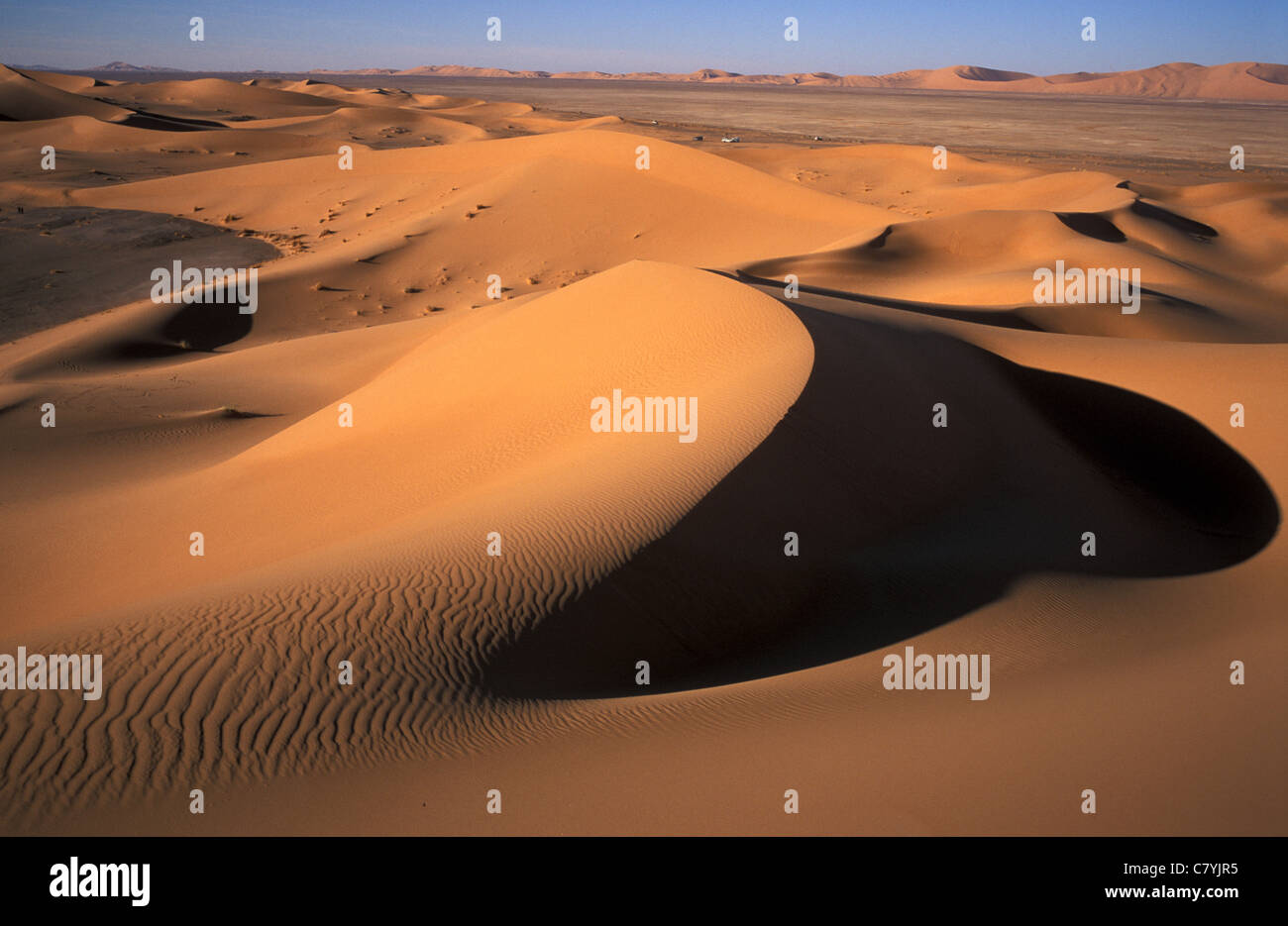
This discovery provides a comparative framework for understanding why Earth evolved to be habitable while other protoplanets, like the one that birthed EC 002, were consumed or shattered. The presence of such rocks in the Sahara serves as a reminder that the desert is not only a vast geographical feature but also a massive repository for extraterrestrial matter that has been preserved in the arid environment. For further reading on the classification and significance of meteorites, the Meteoritical Society maintains a comprehensive database of verified global finds.
The Evolution of Planetary Research
As we continue to refine our analytical techniques, including high-precision isotope analysis, the data extracted from meteorites like Erg Chech 002 will likely continue to evolve. Researchers are now able to determine the cooling rates of these rocks with unprecedented accuracy, which in turn reveals the size and thermal insulation of the parent protoplanet. These findings are foundational for ongoing missions, such as those conducted by NASA and the European Space Agency, which seek to understand the chemical evolution of planetary systems across the galaxy.
The ongoing preservation of these specimens is vital. As desert regions continue to face environmental pressures, the protection and systematic study of these meteorites remain a priority for the international scientific community. It is a collaborative effort involving geochemists, astrophysicists, and field researchers who work to ensure that these fragments of “lost worlds” are cataloged and analyzed for the benefit of future generations.
Key Takeaways
- Erg Chech 002 is one of the oldest known volcanic meteorites, dated at approximately 4.565 billion years.
- Its chemical composition is andesitic, which is rare for meteorites and points to a complex parent body that possessed a crust.
- The specimen provides a rare look at the protoplanets that existed during the very early stages of solar system formation.
- Research on this meteorite helps scientists understand the mechanisms of planetary differentiation and the survival rates of early planetary embryos.
The next major checkpoint for this area of study involves upcoming peer-reviewed analyses of additional samples recovered from the same region, which are expected to provide further context on the diversity of protoplanetary compositions. We invite our readers to share their thoughts on the implications of this discovery in the comments section below, and encourage you to share this article to help spread awareness of the fascinating science being conducted in the world of planetary geology.
.jpg?maxWidth=1725&maxHeight=1405 "Sahara Desert Meteorite Holds Key Takeaways")
Worth a look