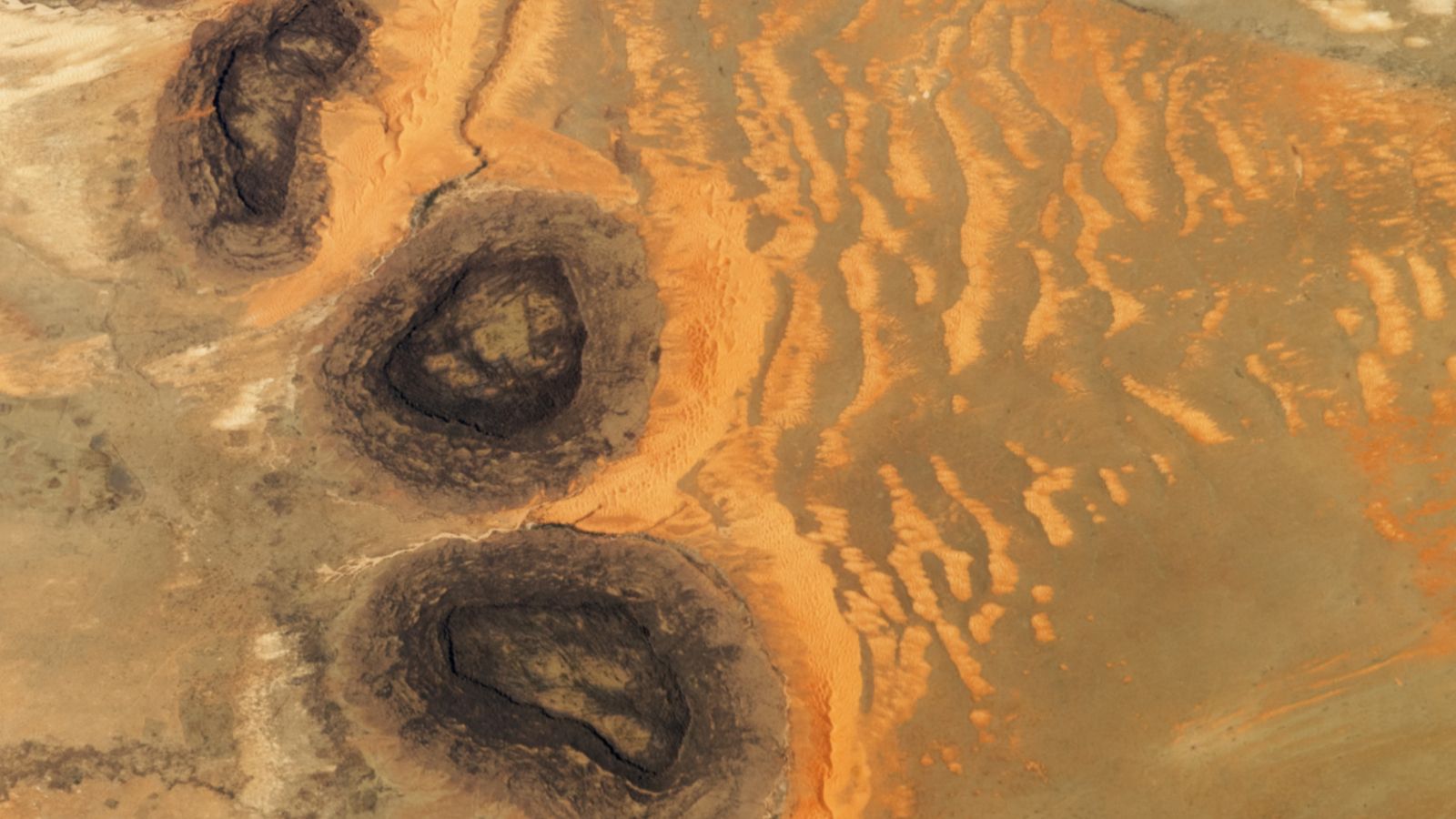
The Striking Beauty of earth’s Mesas: Ancient Structures Shaped by Time and Wind
Have you ever gazed upon a flat-topped hill rising dramatically from the surrounding landscape and wondered about its origins? These geological wonders are called mesas, and they tell a engaging story of Earth’s history. They’re not just visually stunning; they offer clues to ancient environments and the powerful forces that have shaped our planet.
What Exactly Is a Mesa?
Essentially, a mesa is an isolated, flat-topped elevation with steep sides.Think of it as a natural tableland.These formations are born from the erosion of layered rock, where more resistant rock caps protect the softer layers beneath.
* Over millions of years, wind and water carve away at the surrounding landscape.
* The resistant caprock shields the underlying layers, leaving behind the distinctive mesa shape.
* Eventually, continued erosion can reduce a mesa to a smaller, steeper formation called a butte.
A Glimpse into the Past
Remarkably, a recent astronaut photograph captured a striking view of three mesas and their accompanying dunes. This image reveals that these formations are part of a much larger, ancient system. Scientists believe this system originated from a Paleozoic feature,hinting at geological processes active hundreds of millions of years ago.
Interestingly, this formation shares similarities with the Richat Structure, also known as the “Eye of the Sahara.” Located in Mauritania, this massive circular feature is composed of concentric rings of rock, showcasing a similar story of erosion and geological uplift.
Mesas Around the World
You don’t have to travel to remote deserts to witness these remarkable formations. Mesas are found across the globe, though some regions boast a higher concentration than others.
* The Sahara Desert is renowned for its numerous mesas.
* Within the United States, you can find them in states like Colorado, New Mexico, Utah, and Arizona.
* The National Park Service provides detailed facts about these landmarks and the landscapes they inhabit.
Beyond Earth: Mesas on Mars
The story of mesas doesn’t end on Earth. These geological features are also prominent on Mars! Billions of years of wind erosion have sculpted mesas across the Red Planet’s surface. These Martian mesas offer valuable insights into the planet’s past climate and geological activity.
It’s truly amazing to see how similar geological processes can shape landscapes on different worlds.
Ultimately,mesas are more than just beautiful landforms. They are windows into Earth’s – and even our solar system’s – deep history, offering a tangible connection to the forces that have shaped the world around you.
Related reading