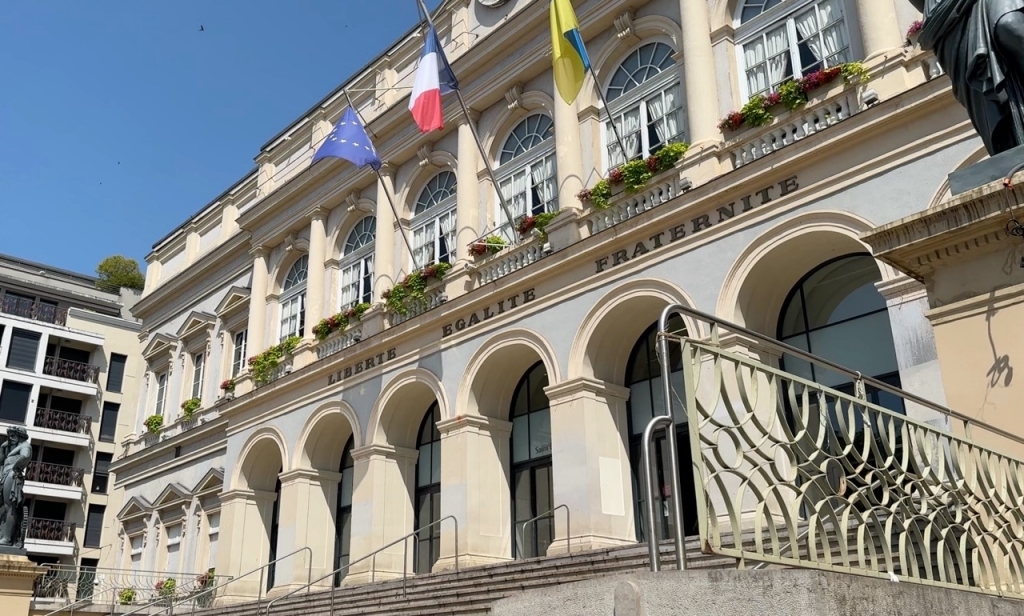
Saint-Étienne Finances Under Scrutiny: Regional Court of Accounts Launches Audit
The financial management of the city of Saint-Étienne, France, is facing increased scrutiny as the regional court of accounts (Chambre régionale des comptes) has initiated a comprehensive audit of municipal finances. This investigation, launched recently, aims to assess the city’s financial health and the effectiveness of its administrative practices. The audit comes at a time when Saint-Étienne, a city with a rich industrial past, is navigating economic challenges and seeking to revitalize its urban landscape.
This audit isn’t occurring in a vacuum. Saint-Étienne, like many post-industrial cities, has been grappling with economic decline for decades. The city’s historical reliance on coal mining and manufacturing has diminished, leading to job losses and social challenges. The current audit is likely to examine how the city has managed its resources during this period of transition, and whether its financial decisions have effectively supported economic development and social welfare. Understanding the context of Saint-Étienne’s economic situation is crucial to interpreting the findings of the court of accounts.
The Chambre régionale des comptes, an independent body responsible for overseeing public finances, possesses broad authority to examine the accounts and management of local authorities. Its audits are designed to ensure that public funds are used responsibly and efficiently, and that local governments comply with relevant laws and regulations. The scope of the Saint-Étienne audit is currently unspecified, but it is expected to cover a range of areas, including budgetary processes, investment decisions, and debt management. The court’s findings will be presented in a report, which will be made public, potentially leading to recommendations for improvement or, in more serious cases, legal action.
The Role of the Chambre Régionale des Comptes
The Chambre régionale des comptes plays a vital role in ensuring the transparency and accountability of public finances in France. These courts are not part of the judicial system in the traditional sense; rather, they are administrative bodies with a specific mandate to audit the financial operations of local governments, public hospitals, and other public entities. The courts operate independently from both the executive and legislative branches of government, ensuring their impartiality.
The audits conducted by the Chambre régionale des comptes are typically triggered by concerns about financial irregularities, poor management practices, or significant budgetary challenges. They can too be conducted on a routine basis to assess the overall financial health of a local authority. The process involves a thorough examination of financial records, interviews with key personnel, and on-site inspections. The court’s auditors are highly trained professionals with expertise in public finance, accounting, and law. The ultimate goal is to identify any instances of mismanagement, fraud, or non-compliance with regulations, and to recommend corrective actions.
Saint-Étienne’s Economic Landscape
Saint-Étienne, located in the Auvergne-Rhône-Alpes region of France, has a complex economic history. Historically a major center for coal mining and steel production, the city experienced significant decline in the latter half of the 20th century as these industries contracted. This decline led to high unemployment rates and social unrest. In recent decades, Saint-Étienne has been attempting to diversify its economy and attract new industries, with a focus on design, technology, and tourism.
The city’s efforts to reinvent itself have faced numerous challenges, including a lack of investment, a shortage of skilled labor, and a negative perception among potential investors. Yet, Saint-Étienne has also benefited from several positive developments, such as the establishment of a university, the development of a modern transportation infrastructure, and the revitalization of its city center. The city is also home to a vibrant cultural scene, with several museums, theaters, and music venues. The success of these revitalization efforts will be a key factor in determining Saint-Étienne’s long-term economic prospects. The current audit by the Chambre régionale des comptes will likely examine how effectively the city has utilized its resources to support these initiatives.
Challenges and Opportunities
The economic challenges facing Saint-Étienne are not unique. Many post-industrial cities across Europe and North America have struggled to adapt to changing economic conditions. However, Saint-Étienne also possesses several unique strengths, such as its strong sense of community, its rich cultural heritage, and its strategic location in the Auvergne-Rhône-Alpes region. The city’s ability to leverage these strengths will be crucial to its future success.
One of the key opportunities for Saint-Étienne is to attract foreign investment. The city offers a relatively low cost of living, a skilled workforce, and a favorable business environment. However, attracting investment requires a concerted effort to promote the city’s advantages and address its weaknesses. Another opportunity is to develop its tourism sector. Saint-Étienne has a number of historical and cultural attractions that could appeal to tourists, but these attractions need to be better marketed and developed. The city also has the potential to grow a center for innovation and entrepreneurship, but this will require investment in research and development, and the creation of a supportive ecosystem for startups.
Potential Implications of the Audit
The outcome of the audit by the Chambre régionale des comptes could have significant implications for the city of Saint-Étienne. If the audit reveals serious financial irregularities or mismanagement, it could lead to legal action against city officials and the implementation of strict financial controls. Even if the audit does not uncover any wrongdoing, it could still result in recommendations for improvement in areas such as budgetary processes, investment decisions, and debt management.
The audit’s findings will also likely be of interest to residents of Saint-Étienne, who have a right to recognize how their tax money is being spent. The publication of the audit report will provide an opportunity for public debate and scrutiny of the city’s financial performance. The audit could also influence the outcome of future elections, as voters may be more likely to support candidates who promise to improve financial management and accountability. The timing of the audit is particularly sensitive, as Saint-Étienne is preparing for a period of significant investment in infrastructure and urban renewal projects.
Stakeholders and Impact
The stakeholders affected by this audit extend beyond the immediate municipal government. Residents of Saint-Étienne will be keenly interested in the findings, as they directly impact the provision of public services and the city’s overall financial stability. Local businesses will also be watching closely, as the city’s financial health can influence the business climate and investment opportunities. Regional and national government officials will also be involved, as they may be called upon to provide financial assistance or oversight if the audit reveals significant problems.
The impact of the audit could be far-reaching. A positive outcome could boost confidence in the city’s financial management and attract new investment. A negative outcome could damage the city’s reputation and lead to a loss of trust among residents and investors. The audit’s findings will also likely be scrutinized by other local authorities in France, who may be looking for lessons learned and best practices in financial management.
Looking Ahead
The audit by the Chambre régionale des comptes is an important step in ensuring the financial health and accountability of the city of Saint-Étienne. The findings of the audit are expected to be released in the coming months, and will likely spark a public debate about the city’s financial future. The city government will need to respond to the audit’s recommendations and take steps to address any identified weaknesses in its financial management practices.
The long-term success of Saint-Étienne will depend on its ability to diversify its economy, attract investment, and improve the quality of life for its residents. The audit by the Chambre régionale des comptes is just one piece of the puzzle, but it is a crucial one. The city’s ability to navigate these challenges and capitalize on its opportunities will determine its future prosperity. The next official update from the Chambre régionale des comptes is anticipated in late 2026, providing a clearer picture of the audit’s findings and their implications.
What are your thoughts on the financial challenges facing Saint-Étienne? Share your comments below, and feel free to share this article with your network.