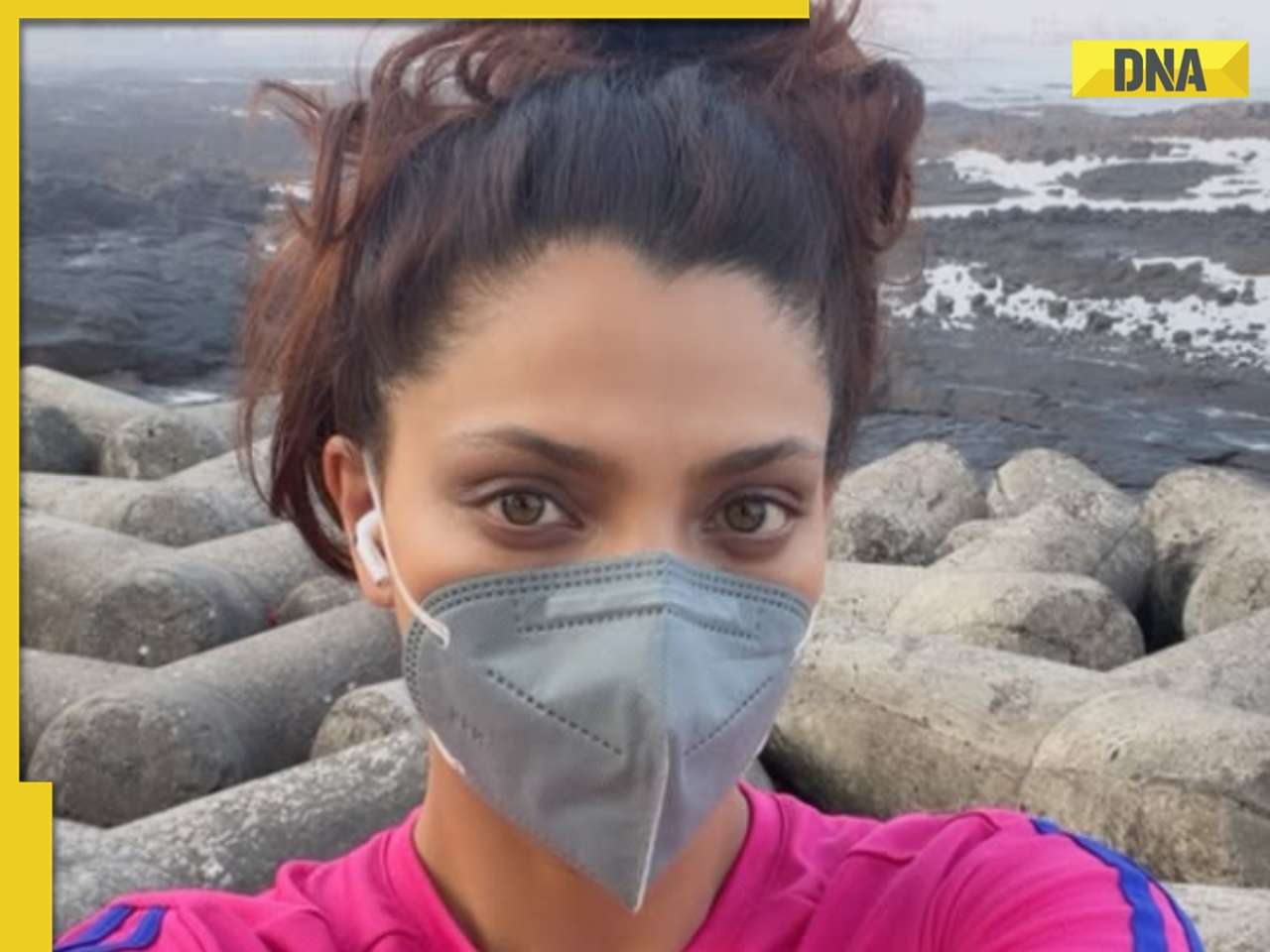
Mumbai’s air quality has become a growing concern for residents, prompting actress Saiyami Kher to publicly voice her anxieties. Kher, known for her roles in films like “Ghoomer” and “Choked: Paisa Bolta Hai,” recently shared a poignant post on social media detailing how the deteriorating air has impacted her daily life, forcing her to abandon a decade-long routine and prompting a return to mask-wearing. Her experience reflects a broader issue affecting the health and well-being of millions in the city, raising questions about accountability and sustainable solutions.
The actress’s concerns echo a growing chorus of voices highlighting the worsening air quality in Mumbai. Kher described a stark contrast to her previous experience, recalling a time when morning runs along Carter Road were a cherished ritual, fueled by the refreshing ocean breeze. Now, she finds herself confined to indoor treadmills, battling the feeling that the very air she breathes is a threat. This shift, she notes, is reminiscent of the anxieties experienced during the COVID-19 pandemic, but with a crucial difference: the danger isn’t a virus, but the air itself. The situation has prompted a reevaluation of what was once taken for granted – the simple act of breathing fresh air.
A Decade-Long Routine Disrupted
For over ten years, Saiyami Kher’s mornings revolved around running along Carter Road in Bandra, a popular coastal stretch known for its scenic views and invigorating sea breeze. She described the experience as integral to her love for the city and her passion for running. However, the recent decline in air quality has made this routine unsustainable. “I want to feel it again,” she wrote, referring to the ocean breeze, “And dystopian as This proves, I put on a mask before lacing my shoes.” This return to mask-wearing, a practice all too familiar from the pandemic era, underscores the severity of the current situation. The actress’s personal experience serves as a stark reminder of the tangible impact of air pollution on everyday life.
Kher’s post resonated with many Mumbaikars, sparking a conversation about the city’s air quality crisis. She highlighted the insidious nature of the problem, noting that it’s no longer a seasonal issue but a persistent threat. This continuous exposure to polluted air, she argues, is quietly eroding physical health, mental well-being and the overall quality of life. The actress’s plea for accountability reflects a growing frustration among citizens who feel that the issue is not being adequately addressed. She questioned whether basic accountability is too much to request for, emphasizing the need for concrete action from authorities.
Mumbai’s Air Quality: A Growing Crisis
The deteriorating air quality in Mumbai is a complex issue with multiple contributing factors. According to the Times Now, Kher’s post highlighted the current AQI levels, drawing a direct comparison to the anxieties of the pandemic. Although specific AQI numbers weren’t provided in the initial reports, the overall sentiment points to a significant decline in air quality. The primary sources of pollution in Mumbai include vehicular emissions, industrial activity, construction dust, and seasonal factors like wind patterns. The city’s dense population and rapid urbanization exacerbate these challenges, leading to increased levels of particulate matter and other harmful pollutants.
The impact of poor air quality extends beyond individual discomfort. Prolonged exposure to pollutants can lead to a range of health problems, including respiratory illnesses, cardiovascular diseases, and even cancer. Vulnerable populations, such as children, the elderly, and individuals with pre-existing conditions, are particularly at risk. The economic costs of air pollution are also substantial, including increased healthcare expenses, lost productivity, and damage to infrastructure. Addressing this crisis requires a multi-faceted approach involving stricter emission standards, investments in public transportation, promotion of cleaner energy sources, and effective monitoring and enforcement mechanisms.
The Impact on Physical and Mental Health
Saiyami Kher’s personal account underscores the profound impact of air pollution on both physical and mental health. She described running as an essential component of her well-being, a practice that clears her head and heals her spirit. However, the deteriorating air quality has transformed this therapeutic activity into a potential source of harm. “But now the act I built my life around feels like it’s quietly destroying me,” she wrote, expressing her frustration and despair. This sentiment reflects a growing awareness of the psychological toll of living in a polluted environment. The constant anxiety about air quality can lead to stress, depression, and a diminished sense of quality of life.
The actress’s decision to switch to indoor treadmill runs, while a pragmatic response to the situation, highlights the limitations of individual coping mechanisms. While air purifiers and masks can offer some protection, they are not a substitute for clean air. The fundamental issue, she argues, is the need for systemic change and greater accountability from authorities. Her call for action resonates with a growing movement of citizens demanding a healthier and more sustainable future for Mumbai.
Kher’s Call for Accountability
Central to Kher’s message is a demand for accountability. She questions why a basic necessity like clean air has become a luxury and asks whether it’s too much to ask for authorities to prioritize the health and well-being of their citizens. Her post isn’t simply a lament about personal inconvenience; it’s a pointed critique of the systemic failures that have allowed the air quality crisis to worsen. The actress’s willingness to speak out on this issue has sparked a wider conversation about environmental responsibility and the need for urgent action.
The Indian Express reported that Kher’s concerns have been echoed by many Mumbaikars, who have taken to social media to express their frustration and demand solutions. This collective outcry underscores the growing public pressure on authorities to address the air quality crisis. The issue is no longer confined to environmental activists and experts; it has become a mainstream concern that demands immediate attention.
Saiyami Kher’s career has spanned a variety of roles in both film and web series, including “Mirzya,” “Choked,” “Ghoomer,” “Breathe: Into the Shadows,” and “Special Ops.” She is currently working on “Haiwaan,” a psychological thriller starring Akshay Kumar and Saif Ali Khan, directed by Priyadarshan. However, her recent advocacy for clean air demonstrates a commitment to using her platform to raise awareness about important social issues.
What Can Be Done?
Addressing Mumbai’s air quality crisis requires a comprehensive and collaborative approach. Some potential solutions include:
- Strengthening Emission Standards: Implementing stricter regulations on vehicular and industrial emissions.
- Investing in Public Transportation: Expanding and improving public transportation networks to reduce reliance on private vehicles.
- Promoting Cleaner Energy Sources: Transitioning to renewable energy sources and phasing out fossil fuels.
- Improving Waste Management: Implementing effective waste management practices to reduce pollution from landfills and incinerators.
- Enhancing Monitoring and Enforcement: Strengthening air quality monitoring systems and enforcing environmental regulations.
- Promoting Green Spaces: Increasing the number of green spaces and urban forests to absorb pollutants and improve air quality.
These measures require significant investment and political will, but the long-term benefits – improved public health, a more sustainable environment, and a higher quality of life – far outweigh the costs. The time for action is now.
The situation in Mumbai serves as a cautionary tale for other rapidly urbanizing cities around the world. As populations grow and economies expand, the challenge of maintaining clean air becomes increasingly urgent. Saiyami Kher’s voice, along with those of countless other concerned citizens, is a powerful reminder that clean air is not a luxury, but a fundamental human right.
The Maharashtra Pollution Control Board (MPCB) is expected to release updated air quality data next week, providing a more comprehensive assessment of the current situation. Citizens are encouraged to stay informed and participate in the ongoing dialogue about solutions. The fight for clean air is a collective responsibility, and it requires the active engagement of individuals, communities, and governments alike.
What are your thoughts on the air quality in Mumbai? Share your experiences and ideas for solutions in the comments below. And please share this article with your network to raise awareness about this critical issue.
Related reading