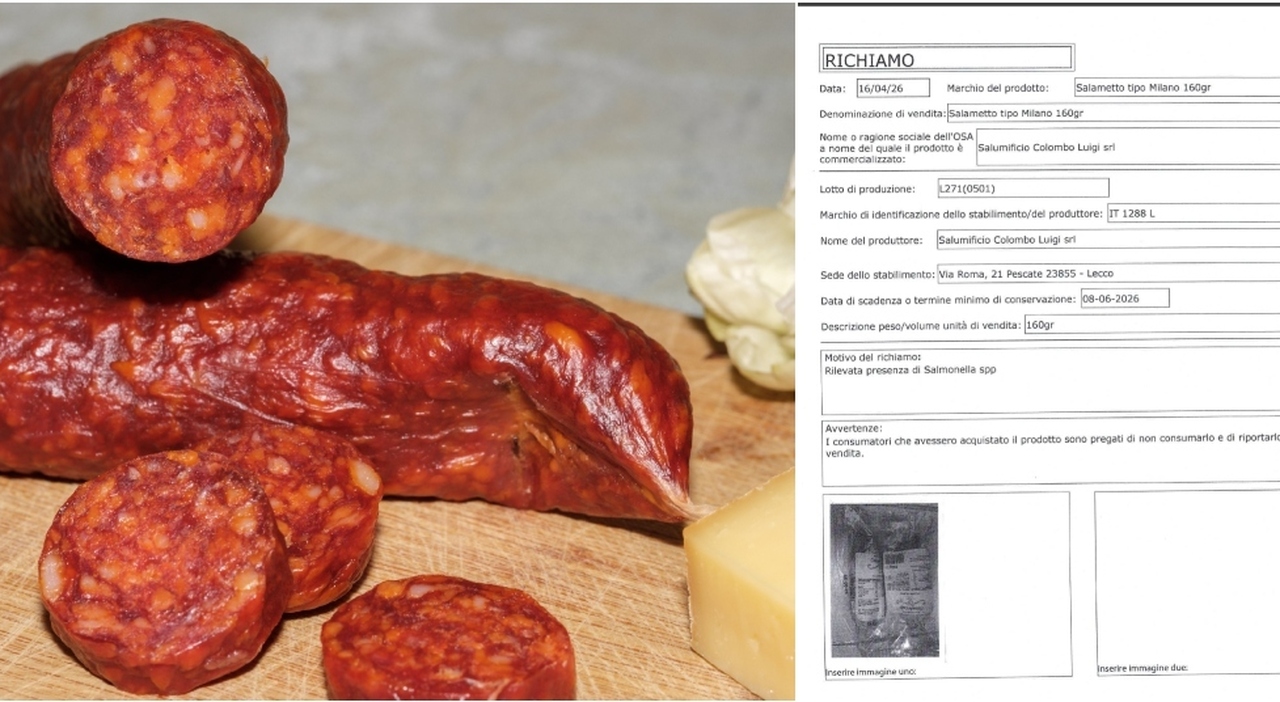
On April 17, 2026, Italian health authorities issued an urgent food safety alert regarding a specific batch of Salametto tipo Milano, citing a potential risk of salmonella contamination. The recall was initiated after routine testing detected the presence of Salmonella bacteria in the product, prompting immediate action to protect public health.
The affected product is manufactured by Salumificio Colombo Luigi srl, based in Lecco, Italy, and sold under the company’s own brand name. According to the official alert published by the Italian Ministry of Health, the recalled batch is identified by lot code L271(0501) and has a minimum durability date of June 8, 2026. The salami is packaged in pre-wrapped 160-gram portions and had already been distributed to retail outlets across the country before the recall was announced.
Consumers are advised not to consume the product under any circumstances and to return it to the point of purchase for a full refund. The Ministry emphasized that this measure is precautionary, taken even in the absence of confirmed illness cases, to prevent any potential outbreak of salmonellosis. Symptoms of salmonella infection typically include diarrhea, abdominal cramps, fever, nausea, and vomiting, and can pose serious health risks, particularly for young children, the elderly, and individuals with weakened immune systems.
The recall falls within Italy’s national food safety monitoring system, which conducts regular inspections and laboratory analyses of food products in circulation. Authorities stated that the decision to withdraw the batch followed internal checks by the producer that indicated possible contamination in the meat used during production. No cases of salmonellosis linked to this product have been reported to date, but officials stressed that early intervention is critical in mitigating public health risks.
Salmonella is one of the most common causes of foodborne illness worldwide. According to the European Centre for Disease Prevention and Control (ECDC), salmonellosis accounts for a significant proportion of gastrointestinal infections reported annually in the EU, with symptoms usually appearing 6 to 72 hours after ingestion of contaminated food. While most cases resolve without treatment, severe infections may require hospitalization, especially when the bacteria enter the bloodstream.
This incident adds to a series of recent food recalls in Europe involving microbiological hazards. In March 2026, several batches of sliced salami Milano were removed from Sigma supermarket shelves in Italy due to similar salmonella concerns, as reported by food safety monitors. Such recurring alerts highlight the ongoing challenges in ensuring the safety of processed meats, particularly those that are consumed raw or lightly cured.
The Salumificio Colombo Luigi srl has not issued a public statement beyond cooperating with the recall process. Retailers carrying the product have been instructed to remove all units from shelves and display recall notices prominently. The Ministry of Health continues to monitor the situation and will provide updates if any changes occur regarding the scope of the recall or associated health impacts.
For the most current information on food recalls and safety alerts in Italy, consumers are encouraged to visit the official website of the Italian Ministry of Health (Ministero della Salute) or the European Commission’s Rapid Alert System for Food and Feed (RASFF) portal. These platforms provide real-time updates on withdrawn products and guidance on safe food handling practices.
As of now, no further batches or products from Salumificio Colombo Luigi srl have been implicated in the alert. Authorities confirm that the recall remains limited to the specified lot and date range. Individuals who have consumed the product and experience symptoms of food poisoning are advised to seek medical attention and report their case to local health services to assist in ongoing surveillance efforts.
Stay informed, stay cautious, and always check official sources for verified updates on food safety matters. Share this information to help protect others in your community.