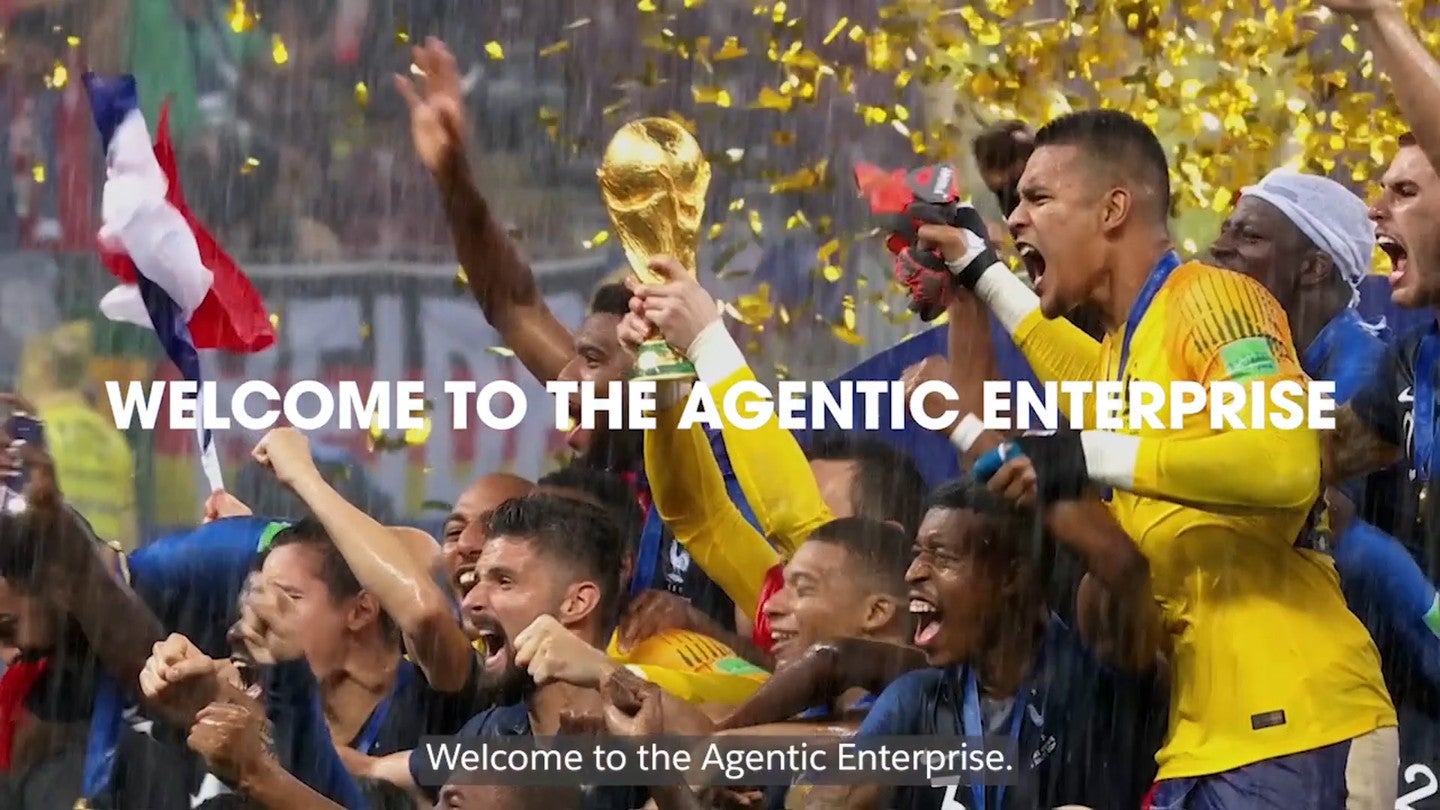
As the international football community turns its collective gaze toward the 2026 FIFA World Cup, the tournament’s commercial landscape has expanded significantly. FIFA has officially announced a new partnership with Salesforce, the San Francisco-based customer relationship management (CRM) provider, integrating the company into the governing body’s sponsorship portfolio for the upcoming men’s national teams tournament.
This collaboration arrives at a critical juncture as FIFA prepares for the largest iteration of the competition to date, which will be jointly hosted by Canada, Mexico, and the United States. By incorporating Salesforce’s data-driven platform into its operations, FIFA aims to enhance how it connects with millions of fans across the globe. According to the official announcement from FIFA, this agreement is designed to leverage technology to deepen engagement and provide more personalized experiences for supporters throughout the tournament cycle.
Data-Driven Engagement for a Global Audience
The integration of Salesforce into the FIFA ecosystem reflects a broader industry trend where sports organizations are increasingly prioritizing digital transformation to manage massive fan databases. As FIFA manages a complex web of stakeholders—ranging from national associations and broadcasters to individual ticket holders and casual observers—the need for a unified digital platform has become paramount. FIFA confirmed that the partnership will utilize the Salesforce Customer 360 platform to streamline interactions and deliver tailored content to a diverse, multilingual global audience.

For the governing body, this is not merely a branding exercise but a strategic move to secure the infrastructure required to scale its digital presence. The 2026 tournament, which will feature an expanded field of 48 teams, represents an unprecedented logistical and communicative challenge. By utilizing cloud-based tools, FIFA intends to maintain a cohesive fan experience that spans physical stadiums in North America and digital platforms accessed by spectators worldwide.
Strategic Alignment in the Commercial Slate
The decision to bring on a major technology partner like Salesforce signals FIFA’s intent to modernize its commercial operations. In recent years, the governing body has sought to diversify its partner slate beyond traditional sectors like automotive and soft drinks, placing a higher premium on entities that offer utility in data analytics and customer journey mapping. This approach ensures that FIFA can capitalize on the massive volume of data generated during the tournament, transforming it into actionable insights that can improve fan retention and commercial growth.
The commercial structure of the FIFA World Cup is categorized into several tiers, and the inclusion of a global CRM leader underscores the importance of the “digital fan” in the modern sports economy. By aligning with a provider that manages customer relations for some of the world’s largest enterprises, FIFA is positioning itself to handle the high-velocity demands of a month-long event that commands the attention of billions of viewers.
Key Takeaways of the Partnership
- Enhanced Fan Experience: FIFA will utilize Salesforce technology to create more personalized and relevant interactions with fans globally.
- Digital Transformation: The partnership focuses on integrating data-driven insights to support the logistical and communicative needs of the 48-team 2026 tournament.
- Global Scale: The collaboration is specifically geared toward managing the complex data requirements of the world’s largest football tournament, hosted across three nations.
- Strategic Commercial Growth: This move highlights FIFA’s ongoing transition toward prioritizing technological infrastructure within its commercial sponsorship hierarchy.
What Happens Next?
As the countdown to the 2026 FIFA World Cup continues, the implementation of this partnership will be a focal point for observers tracking the tournament’s digital readiness. Stakeholders and fans can expect to see the integration of these new CRM capabilities across FIFA’s official digital channels and ticketing platforms in the coming months.
FIFA has committed to providing regular updates regarding the tournament’s commercial activities and organizational milestones through its official commercial portal. As we move closer to the opening whistle, further details on how fans can interact with these new digital services will be released by the governing body. We will continue to monitor these developments closely as the tournament preparations enter their final phases. We invite our readers to share their thoughts on the role of technology in modern football in the comments section below.
Worth a look