
Public health officials have concluded their investigation into a multistate outbreak of Salmonella infections linked to cucumbers, marking the complete of a food safety alert that spanned several months. The Centers for Disease Control and Prevention (CDC) and the U.S. Food and Drug Administration (FDA) worked in tandem to trace the source of the pathogen, which eventually led to widespread recalls of produce grown in Mexico.
The outbreak, which first drew urgent attention in late 2024, highlighted the complexities of the global produce supply chain and the critical importance of rapid traceback data. While the CDC has now declared the outbreak over, the incident serves as a reminder of how quickly a contaminated crop can spread across borders, affecting consumers in nearly 20 different states.
At the height of the investigation, the CDC reported that 68 people across 19 states had been infected with this specific outbreak strain of Salmonella. Of those cases, 18 individuals required hospitalization, though no deaths were reported in connection with this specific event. These figures were later updated as the investigation progressed, with the CDC eventually noting that 113 people lived in states where illnesses were reported according to the agency’s location data.
The contamination was traced back to American and slicer cucumbers grown by Agrotato, S.A. De C.V., based in Sonora, Mexico. These products were distributed by various importers throughout October and November 2024, leading to a series of recalls for both whole cucumbers and processed items, such as salads and wraps, that utilized the contaminated produce.
Understanding the Pathogen: What is Salmonella Typhimurium?
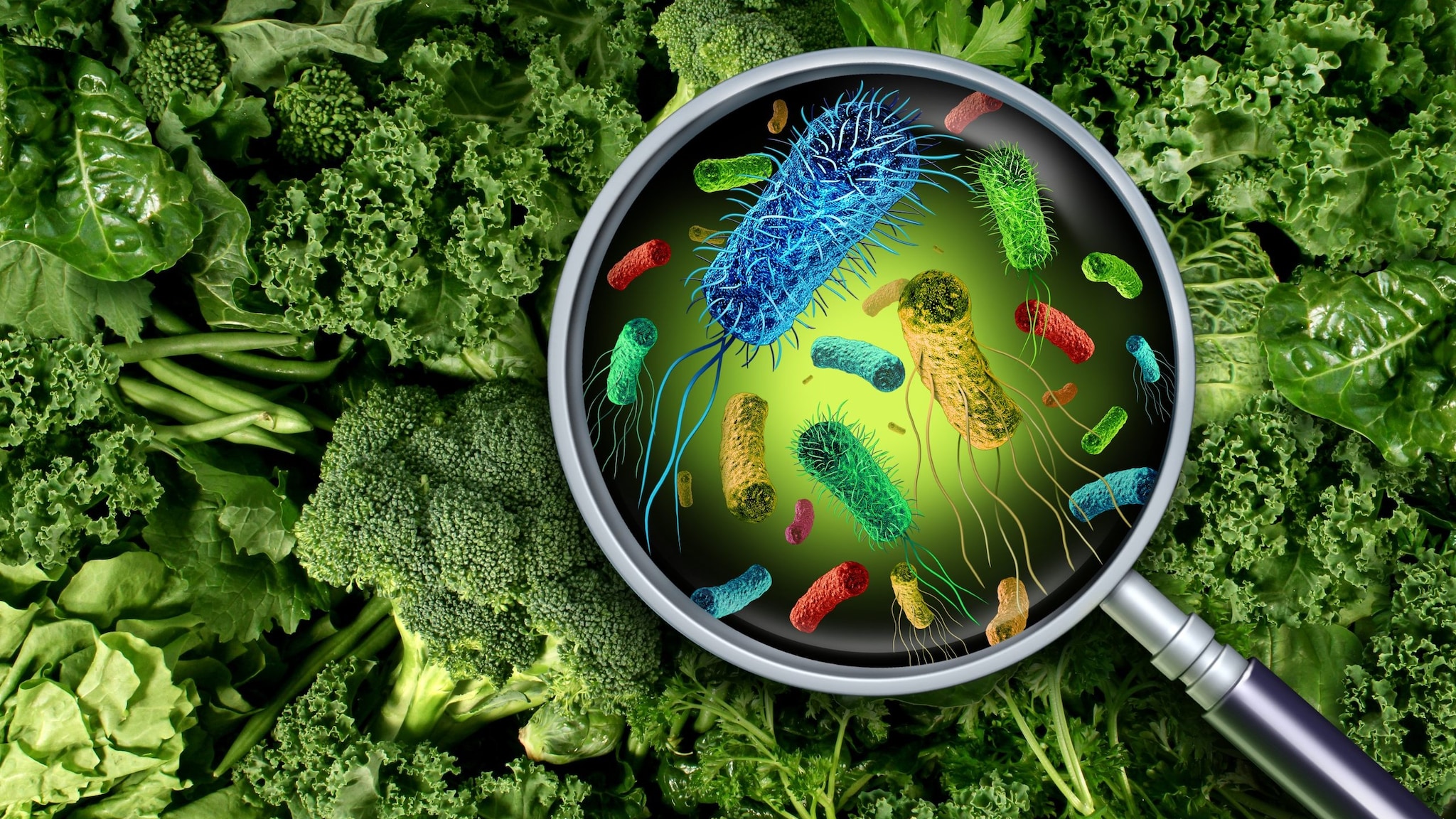
The specific strain identified in this outbreak was Salmonella Typhimurium. As a physician, I often explain to patients that Salmonella is a group of bacteria that causes salmonellosis, a foodborne illness. While many people associate this bacteria with poultry or eggs, it can contaminate vegetables through irrigation water, soil, or improper handling during the harvesting and packing process.
When Salmonella enters the human body, it typically targets the intestinal tract. The symptoms usually appear within six hours to six days after infection and can include fever, abdominal cramps, and diarrhea. For most healthy adults, the illness is self-limiting, but for vulnerable populations—such as the elderly, young children, and those with compromised immune systems—it can lead to severe dehydration or systemic infections that require hospitalization.
The 18 hospitalizations reported during this cucumber outbreak underscore the potential severity of these infections. In clinical settings, the primary goal for these patients is fluid resuscitation and, in severe cases, the administration of targeted antibiotics to prevent the bacteria from entering the bloodstream.
The Traceback Process and Regulatory Action
The resolution of this outbreak relied on a combination of epidemiologic interviews and traceback data. When public health officials notice a cluster of similar Salmonella infections, they interview patients to find common food exposures. In this instance, the common thread was the consumption of cucumbers.
Once the food vehicle was identified, the FDA conducted a traceback investigation to find the origin of the produce. This process involves reviewing shipping manifests, invoices, and distribution records to move backward from the retail point to the farm. This effort identified Agrotato, S.A. De C.V. In Sonora, Mexico, as the grower as detailed by the FDA.
Following this discovery, multiple companies issued recalls for whole fresh cucumbers. Because cucumbers are often used as ingredients in other prepared foods, the recall extended to sliced cucumbers and pre-packaged items like wraps and salads. The FDA has since confirmed that these products are past their shelf life and should no longer be on the market.
Key Takeaways for Consumers
- Source: The outbreak was linked to cucumbers grown by Agrotato, S.A. De C.V. In Sonora, Mexico.
- Scope: At least 113 people in 19 states were affected, with 18 hospitalizations.
- Status: The CDC officially closed the investigation and declared the outbreak over on January 8, 2025.
- Action: Any remaining recalled products should be discarded immediately.
Preventing Future Foodborne Illnesses
While the immediate threat from this specific outbreak has passed, the incident highlights the ongoing challenges of food safety in a globalized economy. Produce that travels thousands of miles before reaching a consumer’s plate requires rigorous oversight at every stage of the journey.
To protect yourself from Salmonella and other foodborne pathogens, health experts recommend a few fundamental practices in the kitchen. First, always wash produce thoroughly under running water, though washing cannot always remove bacteria that have penetrated the skin of the vegetable.
Second, avoid cross-contamination. Use separate cutting boards for produce and raw meats, and ensure that all surfaces are sanitized. Finally, stay informed through official channels. The CDC and FDA maintain active portals for food safety alerts, which are the most reliable sources for real-time recall information.
Frequently Asked Questions
Can I still eat cucumbers from other sources?
Yes. This outbreak was specifically linked to produce from Agrotato, S.A. De C.V. Cucumbers from other growers and regions are not associated with this specific outbreak.
What should I do if I feel I have salmonellosis?
If you experience severe diarrhea, high fever, or signs of dehydration, contact a healthcare provider immediately. We see helpful to tell your doctor if you have consumed any recalled products or have traveled recently.
Why do some people obtain sicker than others?
The severity of Salmonella depends on the individual’s immune system and the dose of bacteria ingested. Those with weakened immunity are at a higher risk for systemic infection, which is why hospitalization is more common in those groups.
Looking Ahead: The Path to Food Safety
The closure of this investigation on January 8, 2025, represents a successful coordination between state and federal agencies. However, the “true number of sick people” is often higher than reported figures, as many individuals recover from Salmonella without ever seeking medical care or having their illness laboratory-confirmed according to CDC observations.
As we move forward, the focus for regulatory bodies will likely remain on improving the traceability of imported produce. The ability to pinpoint a specific farm in Mexico within weeks of the first reported illness is a testament to current systems, but there is always room for more precise, real-time monitoring to prevent these outbreaks before they reach the consumer.
For the most current updates on food safety and active recalls, consumers are encouraged to visit the official CDC and FDA websites. There are currently no further scheduled hearings or official actions regarding this specific cucumber outbreak, as the case is now closed.
If you have questions about food safety or have experienced symptoms related to foodborne illness, we encourage you to share your thoughts or questions in the comments below.
Related reading