
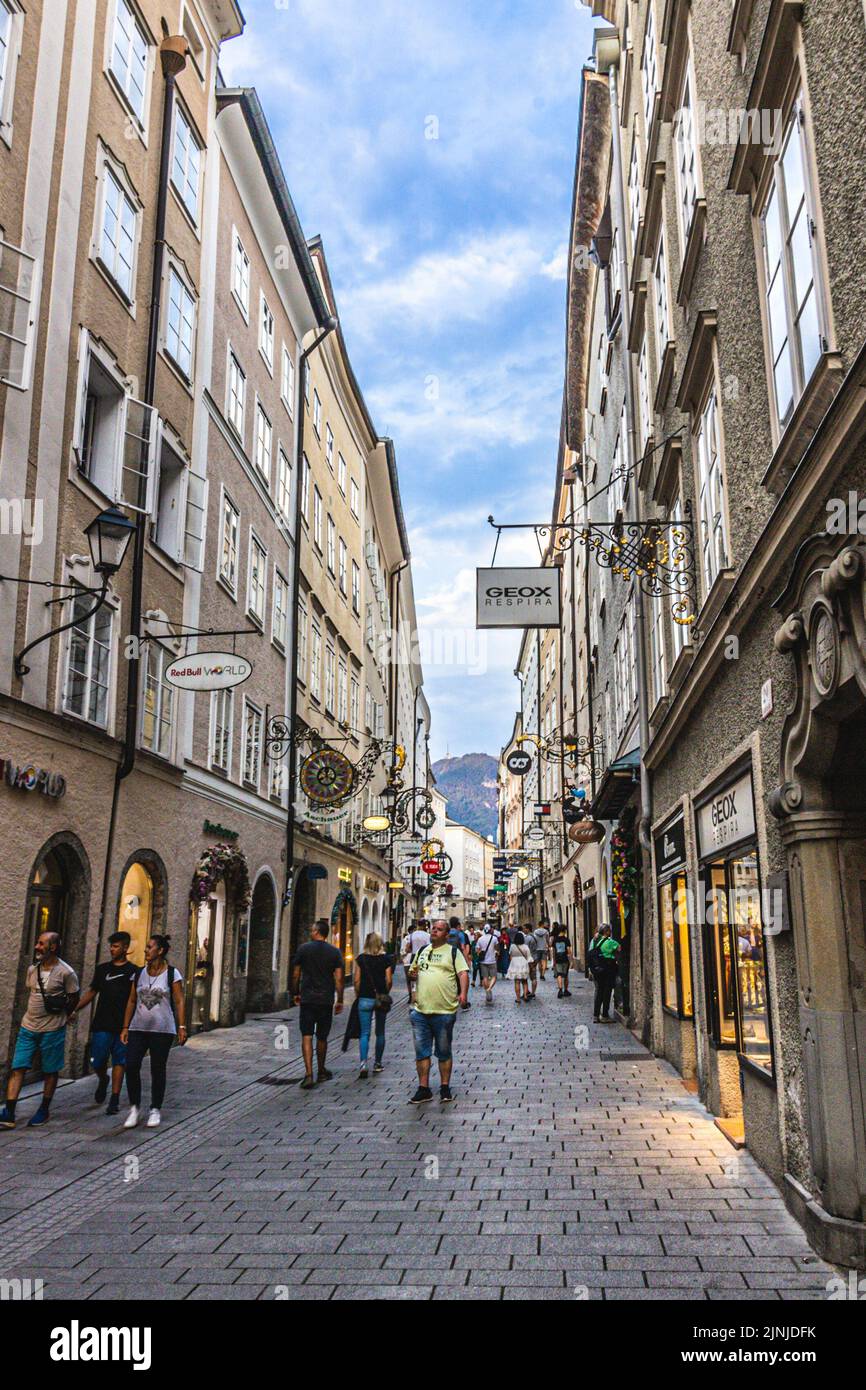
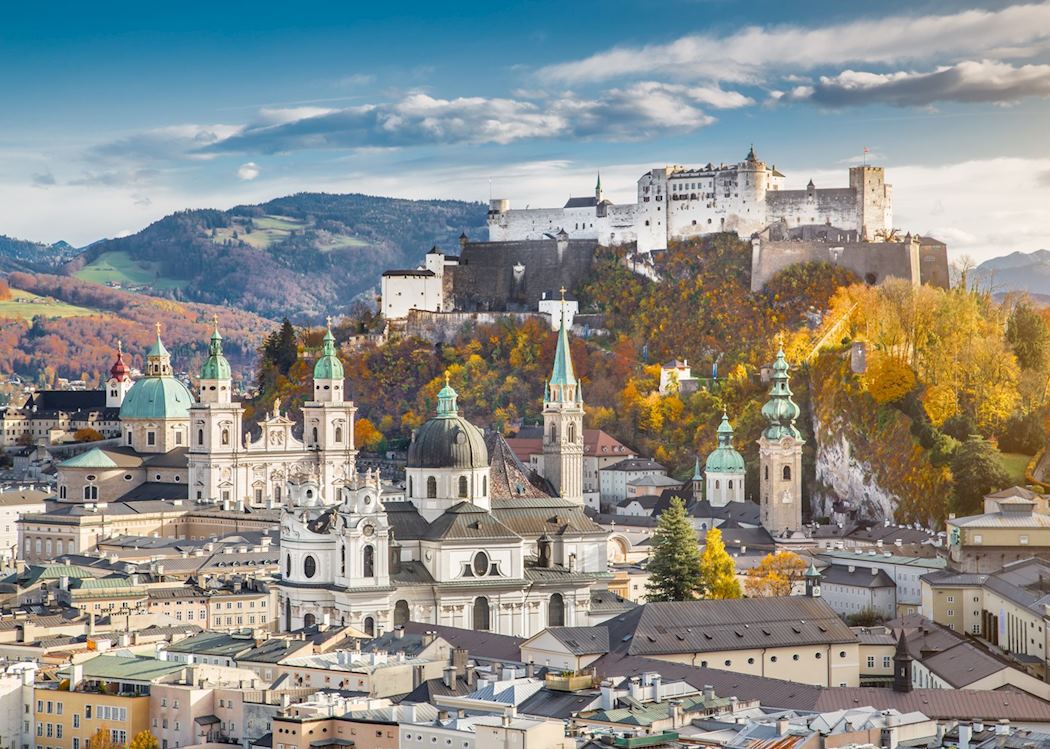
The city of Salzburg has finalized plans to implement a new traffic restriction policy, designating the historic Altstadt as a low-traffic zone effective July 1, 2026. This legislative shift, aimed at reducing congestion and improving air quality in the UNESCO World Heritage site, follows years of debate between local government officials, commerce representatives, and regional stakeholders regarding the balance between urban livability and economic accessibility.
The decision to restrict vehicle access comes after multiple failed attempts to reach a consensus on city-center mobility. According to official statements from the City of Salzburg administration, the upcoming measures are designed to prioritize pedestrians and cyclists while maintaining essential delivery and emergency services. The transition period leading up to the 2026 deadline is intended to allow local businesses and commuters to adjust to the new traffic flow regulations.
Legislative Context and Regional Opposition
The proposal has faced significant scrutiny within the Salzburg state parliament, where discussions often center on the impact of traffic measures on rural districts. Critics of the plan, particularly representatives from the Austrian Economic Chambers (WKO), have expressed concerns that the restrictions could negatively affect regional commerce, specifically for businesses located in the mountainous “Innergebirg” regions that rely on transit access to the city center. These concerns were highlighted during recent parliamentary sessions, where the debate over the definition of a “traffic-calmed zone” became a point of contention.
Disputes in the state assembly have occasionally stalled progress, with opposition members arguing that the city’s environmental goals should not come at the expense of regional connectivity. The Salzburg regional broadcaster (ORF) reported that the discussions involved heated exchanges regarding the long-term economic viability of the city center if vehicular access is strictly curtailed. Despite these disagreements, the current municipal consensus suggests that the July 2026 target remains the primary benchmark for implementation.
Economic Impacts and Stakeholder Concerns
The business community has urged city planners to consider the nuances of seasonal traffic patterns. The Salzburg branch of the WKO has formally requested that the city conduct thorough impact assessments, specifically regarding the “summer regulation” periods where tourist traffic significantly alters urban mobility requirements. The Chamber argues that restrictive policies must be flexible enough to accommodate the needs of local entrepreneurs who serve both city residents and regional visitors.
City officials maintain that the policy will include exceptions to mitigate these economic concerns. While the specific permit process for local businesses is still being drafted, the framework emphasizes that the goal is to create a more sustainable urban environment rather than a total exclusion of motorized transport. The specialized transit industry press noted that the success of the project will largely depend on the efficiency of public transport alternatives provided to those currently relying on private vehicles to enter the Altstadt.
Future Checkpoints and Implementation
As the July 1, 2026, deadline approaches, the city government is expected to release detailed technical guidelines regarding access permits and enforcement mechanisms. The next major checkpoint involves a series of public hearings and stakeholder consultations scheduled to take place throughout the remainder of the current legislative term. These meetings will serve as the primary venue for refining the specific traffic boundaries and exception criteria.
Residents and business owners are encouraged to monitor the official municipal portal for updates on permit applications and infrastructure modifications. As the project moves from the planning phase to the implementation phase, the city’s ability to reconcile the competing interests of urban environmental health and regional economic access will remain a critical metric for the success of the Salzburg Altstadt traffic policy.
We welcome your thoughts on these upcoming changes. Please share this report with your local network to facilitate further discussion on the future of urban mobility in Salzburg.
Keep reading