
Boston’s local hospitality industry saw an unprecedented surge in demand over the weekend as thousands of visiting Scotland supporters overwhelmed the Boston Beer Company’s downtown taproom. According to company representatives, the venue exhausted its supply of its flagship Boston Lager after fans consumed alcohol at four times the typical volume recorded for a standard weekend period.
The influx of visitors coincided with a series of international friendly matches and cultural events that drew significant crowds to the Massachusetts capital. While the Boston Beer Company, which produces the Sam Adams line of craft beers, noted the historic depletion of its inventory, the incident highlights the logistical challenges faced by urban venues when hosting large-scale traveling fan bases. The brewery confirmed that the sheer volume of consumption outpaced their established supply chain projections for the specific operational window.
Understanding the Impact on Boston’s Hospitality Sector
Large-scale sporting events often create a measurable strain on local infrastructure, particularly within the food and beverage sector. The Boston Taproom, located in the Faneuil Hall area, is a frequent destination for tourists and sports enthusiasts alike. When demand spikes to four times the expected level, as reported by the Boston Beer Company, the immediate consequence is a depletion of on-site inventory, commonly referred to as “tapping out.”

For businesses, this creates a complex balance between capitalizing on high-traffic events and maintaining operational stability. According to the Massachusetts Restaurant Association, sudden surges in foot traffic require precise inventory management and staffing levels that are often difficult to predict without advanced coordination with event organizers or local tourism boards. The situation in Boston serves as a case study in how international travel patterns can significantly alter domestic retail metrics in a matter of hours.
Why Fan Culture Drives Local Economies
Scotland’s football supporters, often referred to as the “Tartan Army,” have a long-standing reputation for significant travel and high engagement with local venues during international fixtures. This cultural phenomenon is not unique to Boston; similar patterns have been observed during FIFA World Cup tournaments and UEFA European Championships, where local bars and breweries frequently report record-breaking sales.
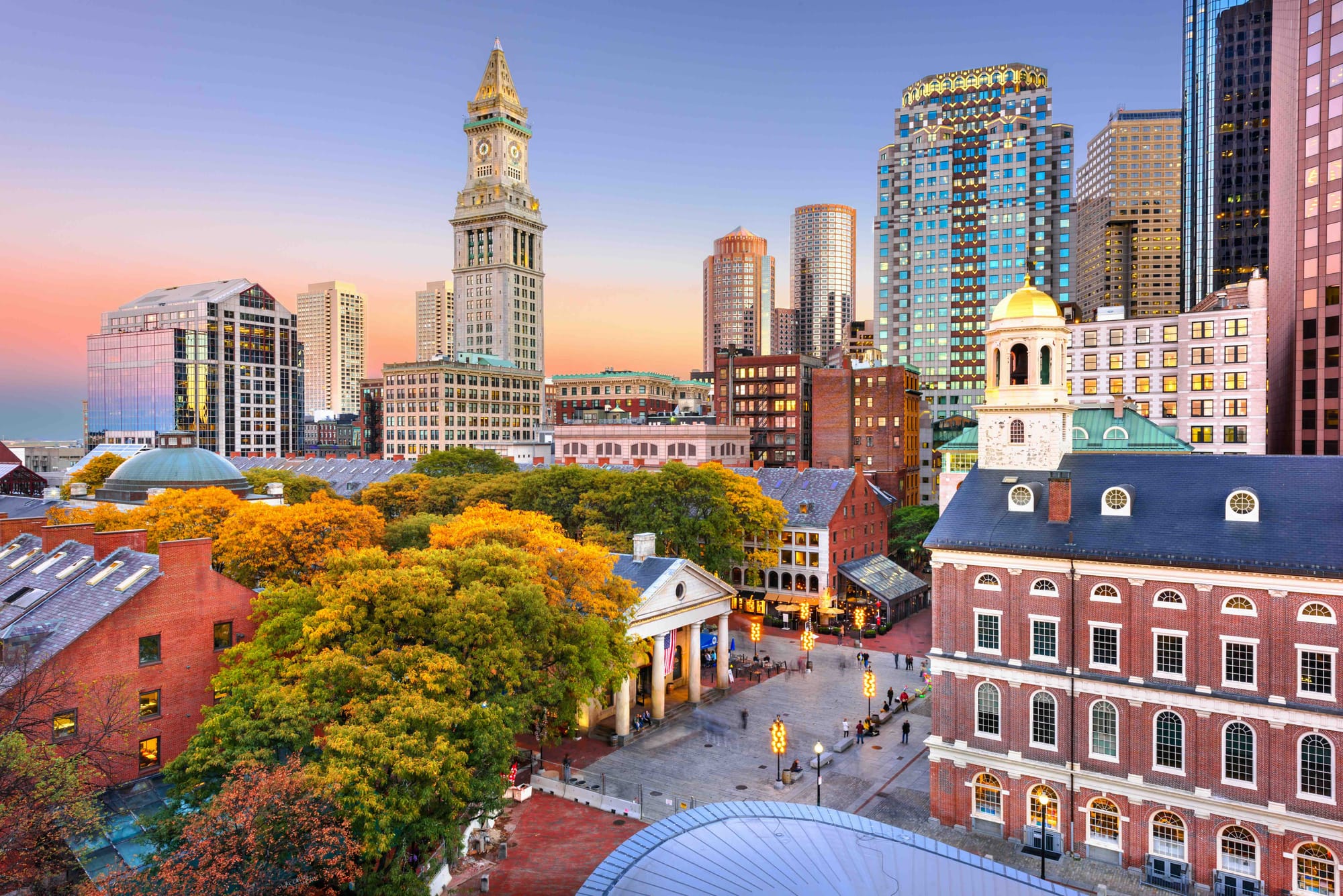
Economic analysts suggest that the “event tourism” model is a vital component of the city’s post-pandemic recovery. By attracting thousands of visitors, the city benefits from increased tax revenue, hotel occupancy, and retail spending. However, as noted by the City of Boston’s Economic Development Office, the challenge remains in scaling services to meet these “bursts” of demand without compromising the experience for local residents or depleting resources intended for a longer duration.
Operational Challenges and Future Planning
The depletion of stock at the Boston Taproom raises questions regarding how major breweries and hospitality groups prepare for international visitors. In the sports analytics field, predictive modeling is typically used to forecast demand based on historical data. However, when a fan base with a high propensity for social consumption arrives in large numbers, these models can occasionally underestimate the total volume required.
According to industry standards published by the Brewers Association, effective inventory management for high-capacity taprooms involves maintaining a “safety stock” that accounts for a 20% to 30% increase over peak historical demand. When demand exceeds this buffer by 300%—as was the case with the four-fold increase reported—the supply chain effectively hits a hard limit. Moving forward, stakeholders in the Boston hospitality industry may look to implement more robust real-time tracking and emergency supply replenishment protocols during future international sports windows.
What Happens Next for Local Venues
The Boston Beer Company has not announced any formal changes to its supply chain or event protocols following the weekend’s events. Typically, such incidents are treated as anomalies, and while they impact the bottom line for a single weekend, they are often offset by the increased revenue generated during the peak hours of operation. For visitors and residents, the incident serves as a reminder to check venue availability via official social media channels during major sporting weekends.
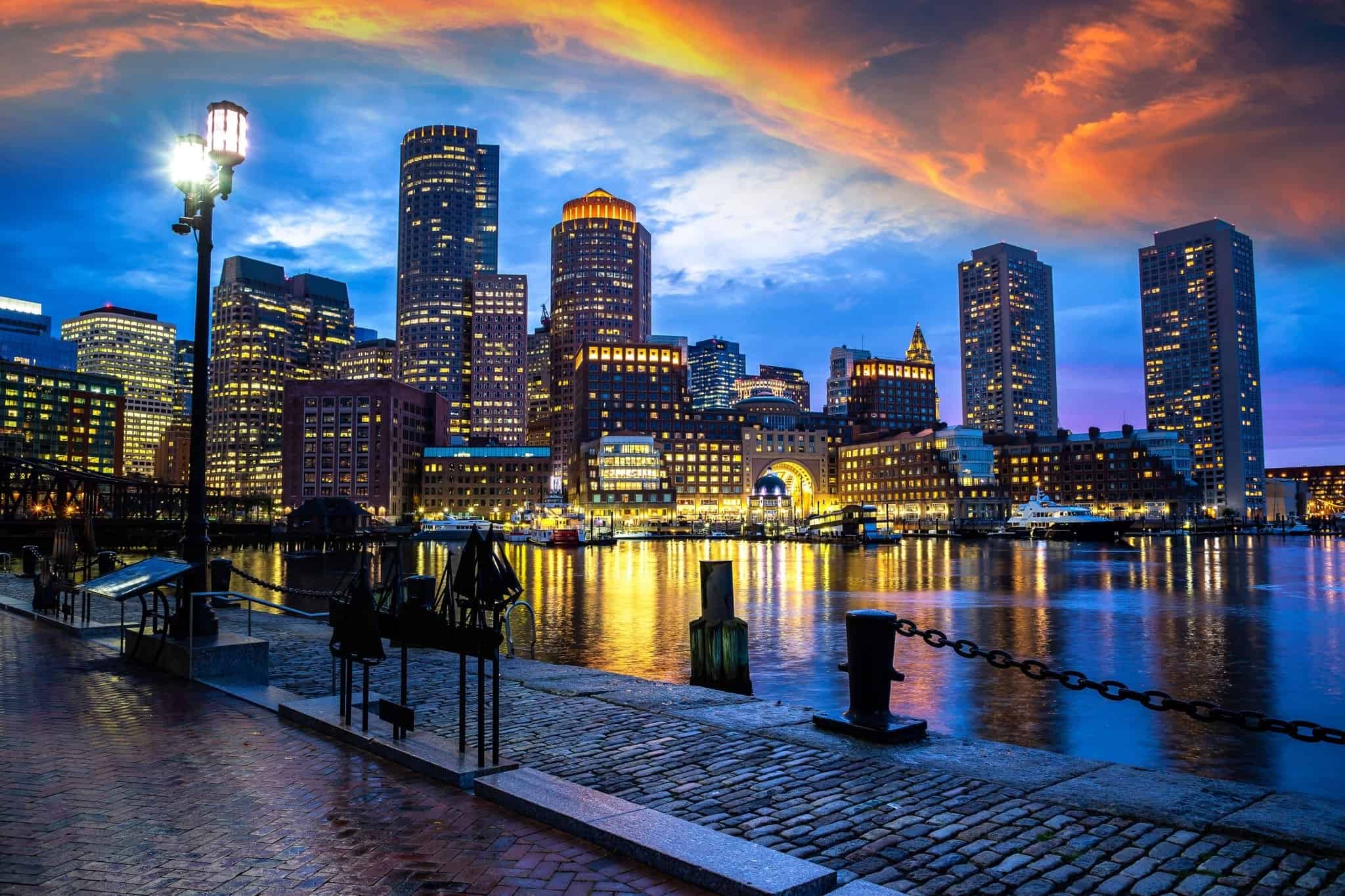
For those interested in the ongoing economic impact of sports tourism in Massachusetts, the Massachusetts Office of Travel and Tourism provides regular updates on visitor volume and economic contributions. As the region prepares for future international competitions, the collaboration between the city’s tourism board and local business owners remains a critical factor in ensuring that hospitality infrastructure can support the influx of global visitors.
Have you witnessed similar surges in demand at your local venues during major international events? We encourage our readers to share their experiences in the comments section below or join the discussion on our social media platforms as we continue to track the intersection of sports and local commerce.
Related reading