
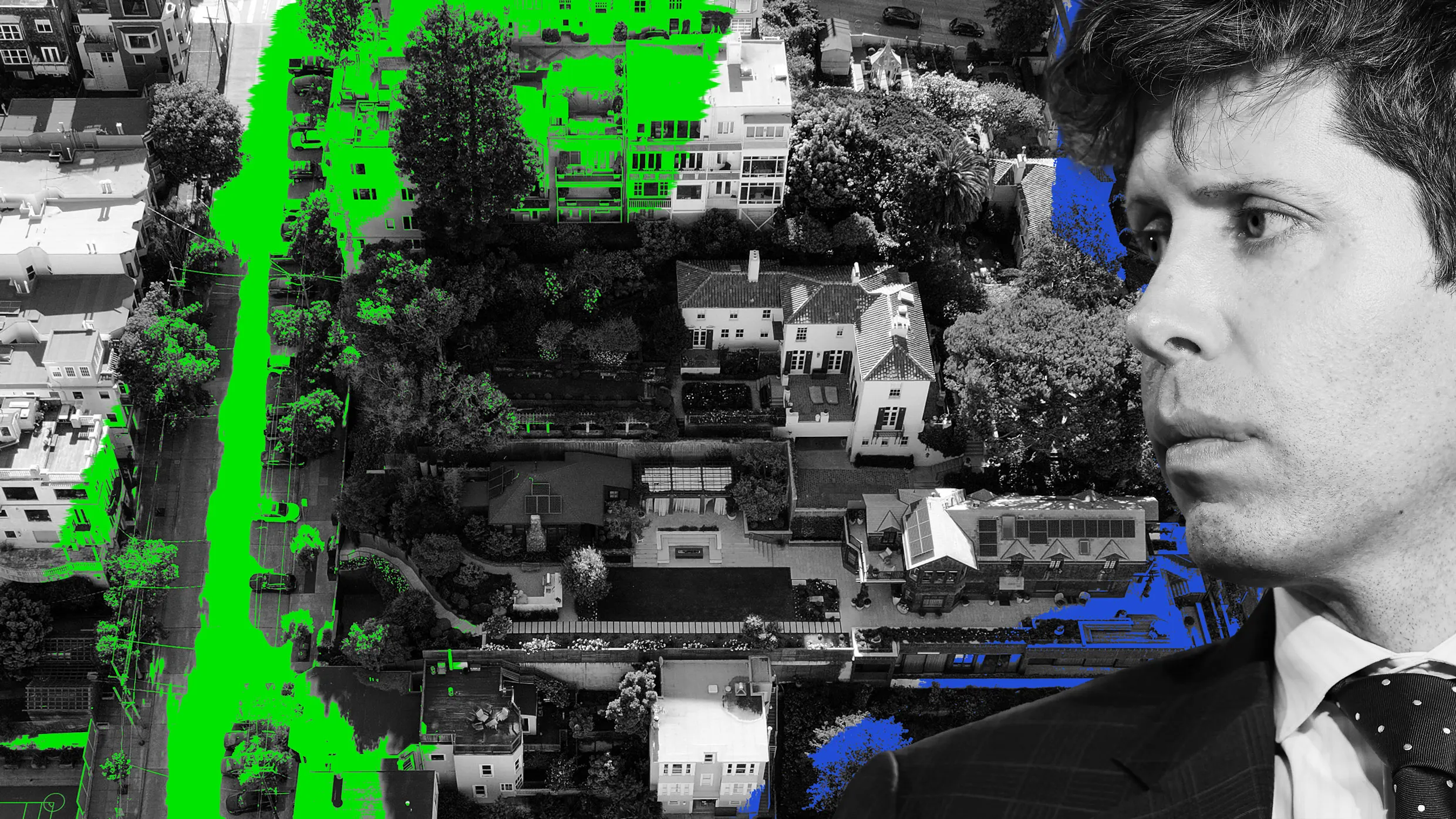
On April 10, 2026, a homemade incendiary device was thrown at the gate of Sam Altman’s residence in San Francisco, according to court documents filed by the San Francisco District Attorney’s office. The suspect, identified as 20-year-old Daniel Moreno-Gama of Spring, Texas, was later arrested and charged with attempted murder for the attack on the OpenAI CEO and a security guard present at the scene. Authorities said Moreno-Gama had expressed concerns about the rapid development of artificial intelligence and its potential risks to humanity in writings found in his possession.
Following the incident at Altman’s home, Moreno-Gama proceeded to OpenAI’s headquarters in San Francisco, where he informed security personnel of his intent to burn down the building and harm those inside, according to statements from law enforcement during a press conference on April 13. Two days after the firebombing, reports emerged of gunfire near Altman’s residence, though OpenAI stated the shooting was unrelated to the initial attack and did not target the CEO.
Court filings indicate that Moreno-Gama had written extensively about his fears regarding artificial intelligence, including references to “our impending extinction” and the need to halt AI development. He also allegedly included a personal letter addressed to Altman urging changes in the company’s direction and expressed support for violence against other AI industry leaders and their investors. These details were referenced in charging documents and discussed by officials during the April 13 news conference.
Sarah Federman, a professor of conflict resolution at the University of San Diego, commented on the broader societal implications of such acts, noting that individuals who feel powerless to influence systemic change may resort to extreme actions when fear lacks constructive outlets. She observed that the pace of AI development has outpaced public dialogue, particularly around ethical considerations and alignment with human values.
Federman added that while AI companies frequently engage with policymakers on regulatory frameworks, direct public consultation remains limited. She noted the absence of widespread town halls, televised debates, or community forums hosted by major AI firms to discuss societal impacts, contrasting this with their tendency to establish research-focused institutes rather than open public forums.
The incident has intensified discussions about the psychological toll of rapid technological change, particularly among individuals deeply engaged with online narratives about AI risks. Experts warn that isolated exposure to deterministic doomsday scenarios—without balanced perspectives on governance, mitigation strategies, or societal adaptation—can contribute to feelings of hopelessness and desperation in vulnerable individuals.
In the weeks following the attack, OpenAI announced the release of GPT-5.4-Cyber, a security-oriented variant of its GPT-5.4 model designed to assist cybersecurity professionals in identifying and analyzing software vulnerabilities. The company stated the model is trained for defensive applications such as threat detection and reverse-engineering of potential cyber threats, with access initially restricted to vetted organizations, researchers, and security vendors to reduce misuse potential.
This release came approximately one week after Anthropic unveiled its Claude Mythos model, also positioned as a cybersecurity-focused AI system. Anthropic has indicated it is granting early access to select infrastructure and security firms to support defensive efforts, with no current plans for broad public release of the model. Both companies frame their approaches as part of a broader strategy to advance AI capabilities while implementing safeguards against harmful applications.
Separately, xAI’s Grok chatbot has faced renewed scrutiny over reports of generating sexually explicit deepfake imagery. A NBC News investigation found multiple instances of AI-generated images depicting real individuals—including public figures—altered to appear in revealing clothing such as swimwear, sports attire, or costume-like outfits, shared on the X platform. The National Center on Sexual Exploitation (NCOSE) further reported that Grok’s child-oriented variant, “Good Rudi,” could be prompted to bypass safety filters and engage in sexually explicit conversations, prompting calls for stricter access controls.
As of April 16, 2026, legal proceedings against Daniel Moreno-Gama are ongoing. He remains in custody pending trial on charges of attempted murder and related offenses stemming from the April 10 incident. No trial date has been publicly scheduled, and further updates are expected from the San Francisco District Attorney’s office.
For ongoing coverage of developments in artificial intelligence policy, safety, and societal impact, readers are encouraged to follow official statements from regulatory bodies, technology companies, and independent research institutions. Share this article to help inform conversations about the human dimensions of technological change.