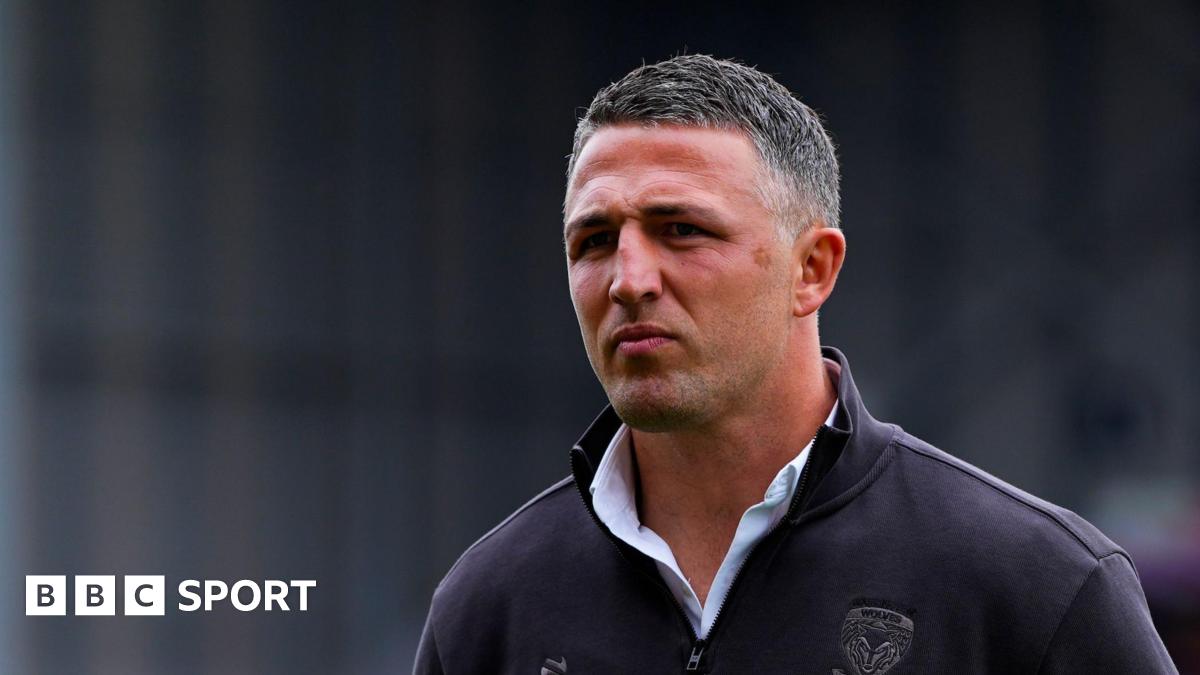
The Sam Burgess Conundrum: Analyzing Performance Dips and Coaching Resilience at Warrington Wolves
The name Sam Burgess resonates deeply within the world of rugby league. A celebrated dual-code international, his transition to coaching at the Warrington Wolves sparked considerable excitement. Appointed for the 2024 season, Burgess initially steered the team to a commendable third-place finish. However,the current 2024/2025 season paints a starkly different picture,raising critical questions about performance consistency and the challenges of translating training ground success to match-day results. This article delves into the factors contributing to the Wolves’ recent struggles, Burgess’s response, and the broader implications for his coaching career. We’ll explore the nuances of rugby league coaching, examining the pressures, strategies, and the delicate balance between sticking to a philosophy and adapting to changing circumstances.
The Current Situation: A Season of Disappointment
The Warrington Wolves’ current form is undeniably concerning. After a promising start, the team finds itself facing an almost certain exclusion from the playoffs. A recent run of eight losses in twelve games, including a heartbreaking defeat in June’s Challenge Cup final, underscores the severity of the situation.Their solitary victory in the last six matches, against Catalans on August 14th, offers a fleeting glimmer of hope, but does little to mask the underlying issues.
Did You Know? Sam Burgess is one of a very select few athletes to have represented England in both rugby league and rugby union.
This downturn isn’t simply a matter of bad luck. While injuries inevitably play a role in any sport, Burgess himself acknowledges that the team’s struggles aren’t reflected in the intensity and quality of their training sessions. This disconnect – the inability to consistently translate practice performance into competitive matches - is a common, yet incredibly complex, challenge for coaches across all sports.
Decoding the Disconnect: Training vs. Match Performance
The core of the issue lies in understanding why a team can excel in training but falter on the field. Several factors can contribute to this phenomenon. Pressure and Intensity: The pressure of a competitive match,with its heightened stakes and scrutiny,is vastly different from the controlled habitat of a training session. Players may tighten up, make uncharacteristic errors, or struggle to execute skills under duress.
Opponent adaptation: Opposing teams are constantly analyzing and adapting to Warrington’s strategies. What worked effectively in the early stages of the season may now be easily countered.
Mental Fortitude: Rugby league is a physically and mentally demanding sport. A lack of mental resilience, especially after setbacks, can lead to a downward spiral in performance.
Tactical Flexibility: A rigid adherence to a single game plan, without the ability to adapt to changing circumstances during a match, can leave a team vulnerable.
Pro Tip: Successful rugby league coaches prioritize mental skills training alongside physical conditioning. Building resilience and the ability to perform under pressure are crucial for sustained success.
Burgess’s statement – “For whatever reason that’s just not transferred” – is a candid admission of this disconnect. It highlights the difficulty of bridging the gap between readiness and execution.
Burgess’s Response: Staying the Course or Seeking Change?
Faced with mounting pressure, Burgess has adopted a resolute stance: “One thing I do know is I’m not throwing the baby out with the bathwater.We will stay on what works for us.” This approach reflects a strong belief in his coaching philosophy and the systems he has implemented.
Though, this decision isn’t without its risks. While unwavering commitment to core principles is admirable, a refusal to adapt can be equally detrimental. Effective coaching requires a delicate balance between consistency and flexibility.
Consider the case of Wayne Bennett, arguably the most successful rugby league coach of all time. Bennett is renowned for his calm demeanor and consistent approach, but he’s also demonstrated a willingness to adjust his tactics and personnel based on the specific challenges presented by each opponent.
Question for the Reader: Do you believe Sam Burgess is right to stick to his established methods, or should he consider more important changes to address the team’s current struggles?
The Broader Implications: Coaching Under Scrutiny
Burgess’s situation underscores the intense
Keep reading