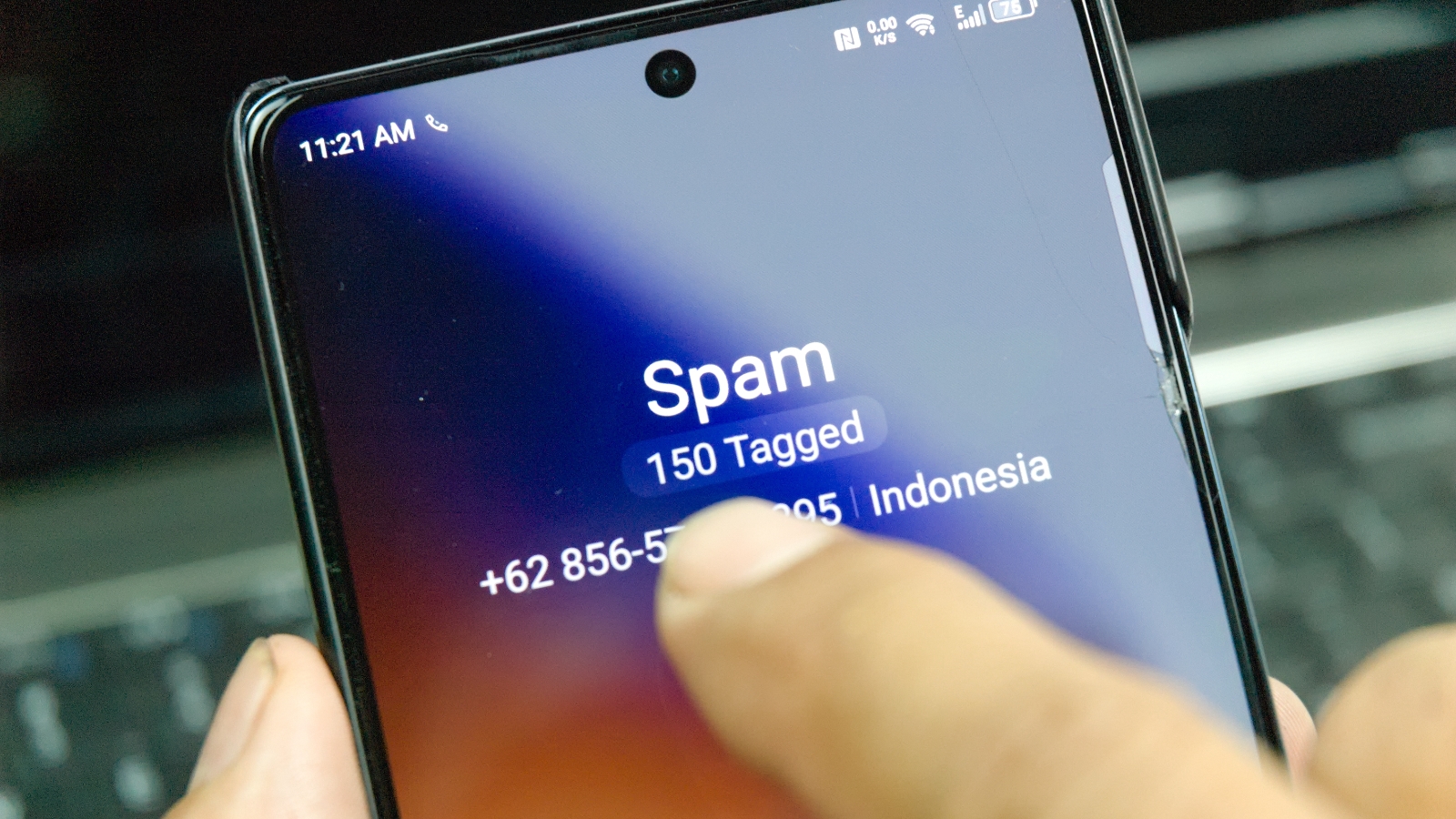
Samsung is reportedly developing a new security feature designed to protect users from the increasing sophistication of phone scams. By leveraging artificial intelligence, the company aims to provide a real-time defense mechanism that can identify fraudulent behavior during a live conversation, alerting the user before they fall victim to a scam.
This initiative comes as scammers evolve their tactics, making it difficult for even the most cautious smartphone users to distinguish between legitimate calls and fraudulent attempts. The proposed solution focuses on analyzing call patterns and conversation content in real-time to flag suspicious activity.
The technology is expected to be integrated into Samsung’s ecosystem using Google’s “Scam Detection” capabilities, which are powered by Gemini AI models. This collaboration allows the device to recognize typical fraud patterns without relying on external servers for the analysis process.
According to recent reports, Samsung has already begun the first phase of deploying this functionality within the Galaxy S26 lineup, with potential future expansion to foldable models and other devices in the Samsung portfolio via Clubic.
How AI-Powered Scam Detection Works
The core of this new feature is the ability to analyze conversations as they happen. Rather than simply checking a database of known spam numbers—which scammers often bypass by spoofing their caller ID—the AI examines the actual behavior and language used during the call.

By utilizing Google’s Gemini-based models, the system can identify red flags associated with common scams, such as urgent demands for money, requests for sensitive personal information, or specific linguistic patterns typical of fraudulent scripts. When the AI detects these signs, it can immediately notify the user that the call may be a scam.
On-Device Processing for Enhanced Privacy
A critical aspect of this implementation is that the analysis occurs directly on the device. By performing the AI processing locally rather than in the cloud, Samsung ensures that the contents of the conversation do not transit through the manufacturer’s servers or Google’s search engines.
This on-device approach serves two primary purposes: it preserves the privacy of the user’s exchanges and ensures a nearly instantaneous response time. Because the data does not need to travel to a remote server and back, the alert can be triggered the moment a suspicious pattern is recognized.
Integration and Availability
The technology behind this feature has already seen implementation in other hardware, specifically within recent Google Pixel smartphones. Samsung is now adapting this framework to fit its own software environment.
The rollout is currently targeted at the Galaxy S26 series. While the initial deployment is focused on this high-complete line, there are expectations that the feature may eventually reach a wider array of Samsung devices, including the brand’s foldable smartphones.
Why Real-Time Analysis Matters
Traditional call-blocking apps often rely on “blacklists” of reported numbers. However, modern scammers frequently use “neighbor spoofing” or temporary VOIP numbers to appear legitimate. Real-time AI analysis shifts the focus from who is calling to what is being said, providing a more robust layer of security against unknown threats.
For the global user base, this represents a significant shift in consumer electronics security, moving from passive filtering to active, intelligent monitoring that assists the user in making informed decisions during a call.
Key Takeaways for Samsung Users
- Real-Time Detection: AI analyzes live calls to spot suspicious behavior and fraud patterns.
- Google Partnership: The feature utilizes Google’s Gemini AI models via the “Scam Detection” technology.
- Privacy-First Design: Analysis is performed on-device, meaning audio data does not exit the phone.
- Initial Rollout: The first phase of deployment is centered on the Galaxy S26 series.
- Expanded Scope: Future updates may bring this capability to foldable devices and other models.
As Samsung continues to integrate these AI-driven security measures, the next milestone will be the wider availability of these features across the Galaxy ecosystem. Users should appear for official software update notes regarding the Galaxy S26 and subsequent model releases for activation details.
Do you think AI-driven call monitoring is the right balance between security and privacy? Share your thoughts in the comments below.
Related reading