
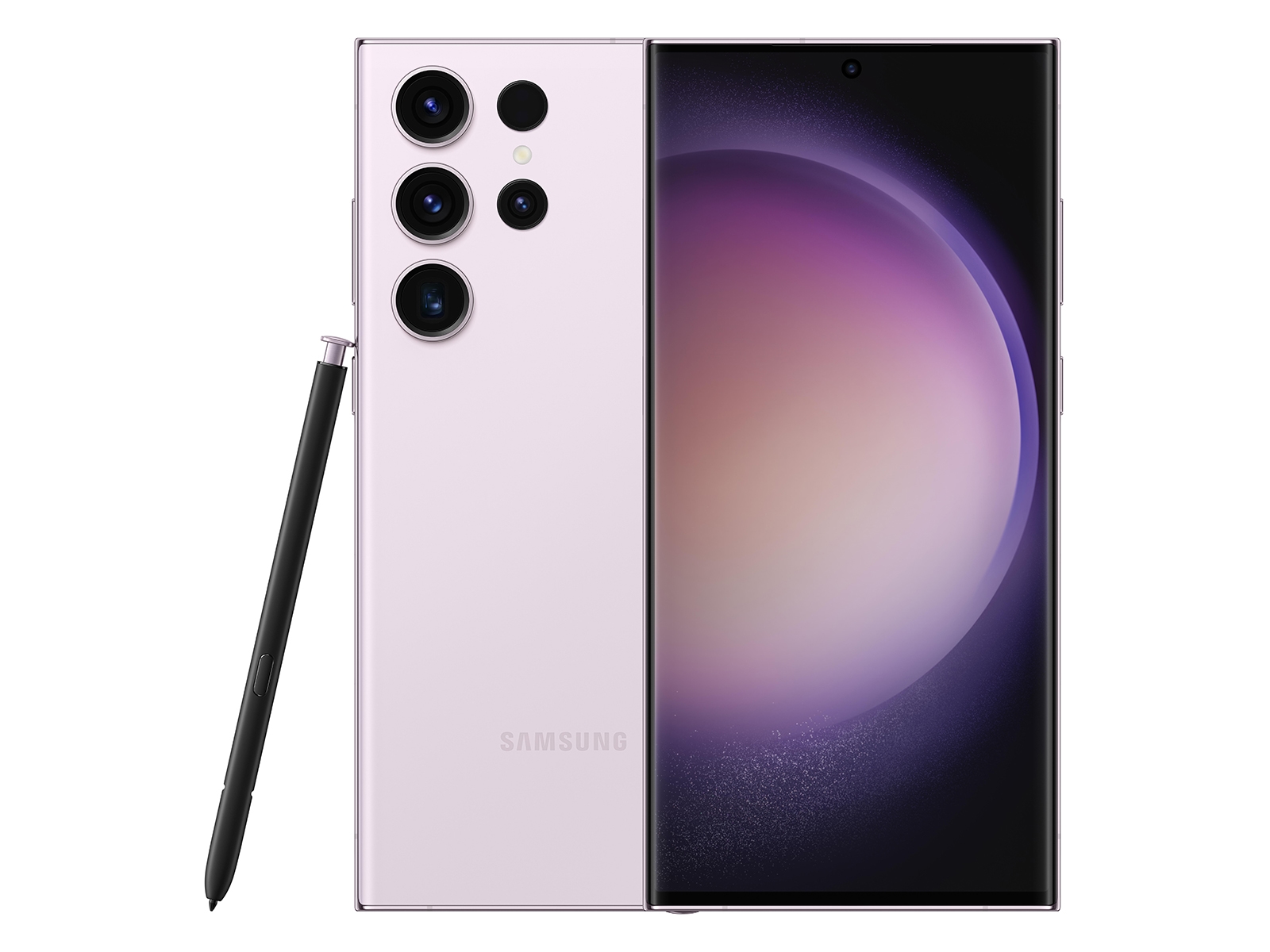
At the SID Display Week 2026 event in Los Angeles, Samsung Display unveiled a series of Samsung Display prototypes that signal a fundamental shift in how we interact with our devices. Rather than treating the screen as a passive window for content, the company is evolving the display into a multi-functional tool capable of health monitoring, adaptive physical forms, and advanced privacy protection.
The demonstrations highlighted a move toward “multi-functional displays” that merge high-fidelity visuals with integrated biometric sensors. From screens that can monitor vital signs without the need for a wearable to panels that physically stretch to fit automotive interiors, these innovations suggest that the next generation of smartphones and vehicles will rely on displays that do far more than simply show a picture.
As a journalist who has tracked the evolution of consumer electronics for nearly a decade, I find the integration of health sensors directly into the OLED stack particularly compelling. It removes the friction of needing a separate device—like a smartwatch—to get a quick health snapshot, potentially democratizing biometric tracking for millions of users who prefer not to wear peripherals.
Sensor OLED: Turning the Screen Into a Health Monitor
The most significant breakthrough presented was the Sensor OLED display. This technology allows users to measure heart rate and blood pressure simply by placing a finger on the smartphone screen. The process utilizes light emitted from the display, which reflects off the user’s skin and is then captured by built-in sensors to determine biometric data.
To maintain visual quality while integrating these sensors, Samsung Display has equipped the panel with a resolution of 500 pixels-per-inch (ppi). By embedding these capabilities directly into the glass, the company aims to make smartphones more useful for quick health checks, effectively turning the device into a standalone health monitoring tool.
Pushing the Limits of Brightness and Color Accuracy
Beyond health tracking, Samsung showcased the Flex Chroma Pixel OLED screen, which targets the demands of high-end professional content and outdoor visibility. This panel can reach a peak brightness of 3,000 nits, ensuring readability even in direct sunlight.

The display also makes significant strides in color reproduction by covering 96% of the BT.2020 color gamut. The BT.2020 standard is the widest color gamut used internationally; while most contemporary smartphones typically reach around 70% coverage, the 96% mark achieved by this prototype allows for significantly richer and more accurate colors. The goal of this development is to improve power efficiency while delivering a superior visual experience for future premium devices.
Privacy and the ‘Magic Pixel’
Privacy is becoming a critical concern as smartphones handle more sensitive health and financial data. To address this, Samsung introduced Flex Magic Pixel technology. This system limits the viewing angles of the screen, ensuring that sensitive content—such as private messages or the health data captured by the Sensor OLED—remains hidden from people nearby.
This privacy-centric approach is not entirely new to the ecosystem, as the technology has already appeared in the Galaxy S26 Ultra. However, its integration into these new prototypes suggests a broader rollout across different form factors to ensure the main viewing experience remains unaffected for the user while blocking side-angle visibility.
Stretchable Displays for the Automotive Sector
The innovation extended beyond handheld devices into the automotive industry. Samsung demoed the “Stretchable Display 2.0,” a next-generation stretchable display designed specifically for car dashboards. Unlike traditional rigid or even curved screens, this panel can expand or shrink depending on the driving conditions or the specific needs of the driver and passengers.

In addition to the Stretchable Display 2.0, the company showcased a stretchable Micro LED display aimed at automotive use, alongside efficiency improvements for EL-QD (Electroluminescent Quantum Dot) displays. These developments point toward a future where vehicle interiors are defined by fluid, adaptive surfaces rather than fixed plastic and glass consoles.
Key Technological Specifications
| Technology | Key Feature | Metric/Detail |
|---|---|---|
| Sensor OLED | Biometric Sensing | 500 ppi / Heart Rate & Blood Pressure |
| Flex Chroma Pixel | Brightness & Color | 3,000 nits / 96% BT.2020 coverage |
| Flex Magic Pixel | Privacy | Limited viewing angles |
| Stretchable Display 2.0 | Form Factor | Adaptive automotive dashboards |
These prototypes represent a clear strategic direction for Samsung Display: the transition from a component manufacturer to a provider of integrated “experience” surfaces. By combining health sensors, extreme brightness, and physical flexibility, they are redefining the utility of the screen.
The next confirmed milestone for these technologies will be their integration into commercial hardware, with many of these features expected to influence the roadmap for upcoming premium flagship devices and automotive partnerships. We will continue to monitor official product announcements for release dates and commercial availability.
What do you think about the prospect of measuring your blood pressure through your phone screen? Does the lack of a wearable make you more likely to track your health? Let us know in the comments below.