
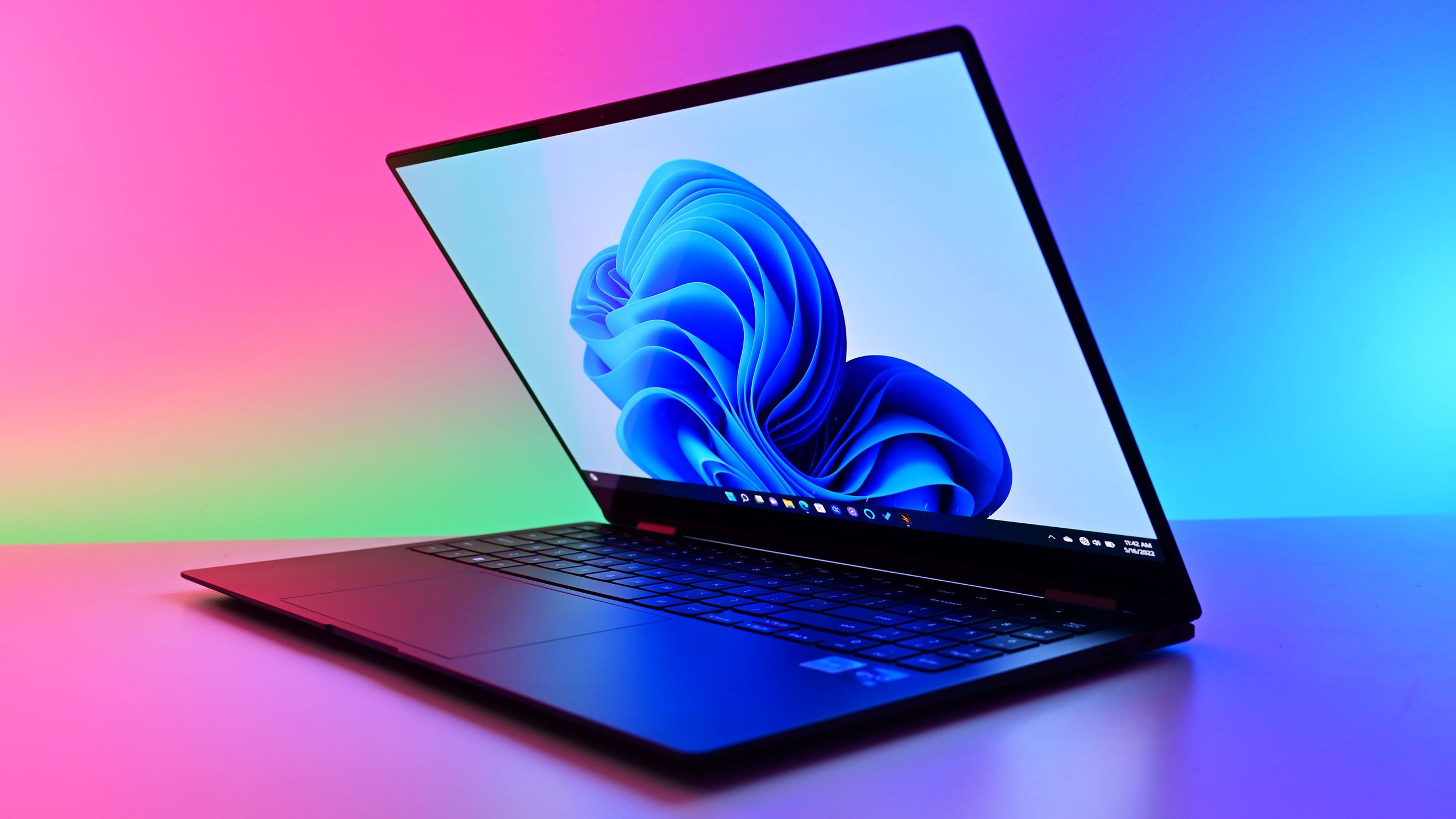
San Francisco, CA – Samsung, a global leader in consumer electronics, is reportedly shifting its strategy for Galaxy Book laptops, potentially moving away from ChromeOS and embracing Android as the primary operating system. This move, if confirmed, could significantly alter the landscape of the PC laptop market, offering users a more integrated experience with their existing Samsung ecosystem. The development comes as Google continues to refine Android’s capabilities for larger screens and as Qualcomm pushes advancements in PC-optimized chips.
The potential shift towards Android-based Galaxy Books signals a broader trend of tech companies seeking to differentiate their offerings in a competitive market. While Chromebooks, powered by ChromeOS, have gained traction for their simplicity and affordability, Samsung appears to be aiming for a more premium and feature-rich experience. Android, with its vast app ecosystem and increasing support for productivity features, could provide that edge. This strategy aligns with Samsung’s broader push to integrate its hardware and software offerings, exemplified by its Galaxy AI features and the seamless connectivity between its smartphones, tablets, and wearables.
Samsung’s Android Laptop Ambitions: A Deeper Dive
Details surrounding Samsung’s Android-powered Galaxy Books remain limited, but reports suggest the company is actively developing devices running Android 17. Sammobile first reported on the development, indicating that these laptops are intended to offer a more unified experience for Samsung users. Currently, Samsung’s Galaxy Book lineup primarily utilizes Windows as its operating system, with some models also running ChromeOS. A move to Android would represent a significant departure from this established approach.
The decision to explore Android for laptops isn’t entirely surprising. Google has been steadily improving Android’s support for larger screens and multitasking, addressing some of the historical limitations that hindered its adoption on laptops. Features like improved window management, desktop-class apps, and enhanced stylus support are making Android a more viable option for productivity tasks. Qualcomm’s development of Snapdragon compute platforms specifically designed for PCs has provided the necessary hardware to power Android laptops effectively. The company has hinted at Google’s work on Android for PCs, potentially paving the way for Samsung’s venture. A post on the Samsung Community forum from September 29, 2025, highlighted this potential collaboration.
The Benefits of an Android-Powered Galaxy Book
An Android-based Galaxy Book could offer several advantages for Samsung users. One key benefit is seamless integration with the broader Samsung ecosystem. Features like Quick Share, which allows for effortless file transfer between Galaxy devices, are already well-established. Samsung’s website details the compatibility of Quick Share with devices running Android OS version 10.0 (Q) and One UI 2.1 or above. An Android laptop would further streamline this connectivity, allowing users to seamlessly switch between their smartphone, tablet, and laptop without friction.
Another potential advantage is access to the vast Google Play Store app ecosystem. While Windows offers a wide range of applications, Android boasts an even larger selection, including many mobile-first apps that may not be available on Windows. This could be particularly appealing to users who rely on Android apps for specific tasks or prefer the Android user interface. Samsung could leverage its expertise in mobile software to optimize Android for the laptop form factor, potentially delivering a unique and compelling user experience.
Challenges and Considerations
Despite the potential benefits, Samsung faces several challenges in bringing Android-powered Galaxy Books to market. One key hurdle is ensuring that Android apps are fully optimized for larger screens and laptop-class hardware. While Google has made significant progress in this area, some apps may still exhibit compatibility issues or performance limitations. Samsung will demand to work closely with app developers to ensure a smooth and consistent user experience.
Another consideration is the competitive landscape. The laptop market is already crowded, with established players like Apple, Dell, and HP vying for market share. Samsung will need to differentiate its Android-powered Galaxy Books through innovative features, compelling design, and competitive pricing. The company’s success will also depend on its ability to effectively market these devices to consumers and highlight the benefits of the Android ecosystem.
The Future of Samsung’s Laptop Strategy
Samsung’s exploration of Android for its Galaxy Book lineup represents a strategic shift that could have significant implications for the PC laptop market. By leveraging the strengths of the Android ecosystem and its own hardware expertise, Samsung has the potential to create a unique and compelling laptop experience. However, the company must address the challenges of app optimization and competition to succeed.
The move also reflects a broader trend of convergence between mobile and desktop computing. As smartphones and tablets become increasingly powerful, the lines between these devices and traditional laptops are blurring. Samsung’s Android-powered Galaxy Books could be a key step towards a future where users can seamlessly switch between devices and access their content and applications from anywhere. The integration of Galaxy AI features into these devices could further enhance their capabilities and provide users with a more intelligent and personalized computing experience.
What This Means for Consumers
For consumers, Samsung’s potential foray into Android-powered laptops could mean more choice and innovation in the PC market. An Android-based Galaxy Book could offer a compelling alternative to Windows and ChromeOS laptops, particularly for users who are already invested in the Samsung ecosystem. The seamless integration with other Galaxy devices, access to the Google Play Store, and potential for unique software features could make these laptops an attractive option.

However, consumers should also be aware of the potential challenges. App compatibility and performance may vary, and the overall user experience may not be as polished as that of established Windows or ChromeOS laptops. It will be crucial for Samsung to address these issues and deliver a high-quality product that meets the needs of its target audience.
The next key development to watch will be Samsung’s official announcement regarding its Android-powered Galaxy Book plans. While the company has not yet confirmed the launch of such a device, industry analysts expect an announcement in the coming months. Further details regarding specifications, pricing, and availability will be crucial in determining the success of this venture.
What are your thoughts on Samsung potentially moving to Android for its Galaxy Books? Share your opinions in the comments below, and don’t forget to share this article with your friends and colleagues!