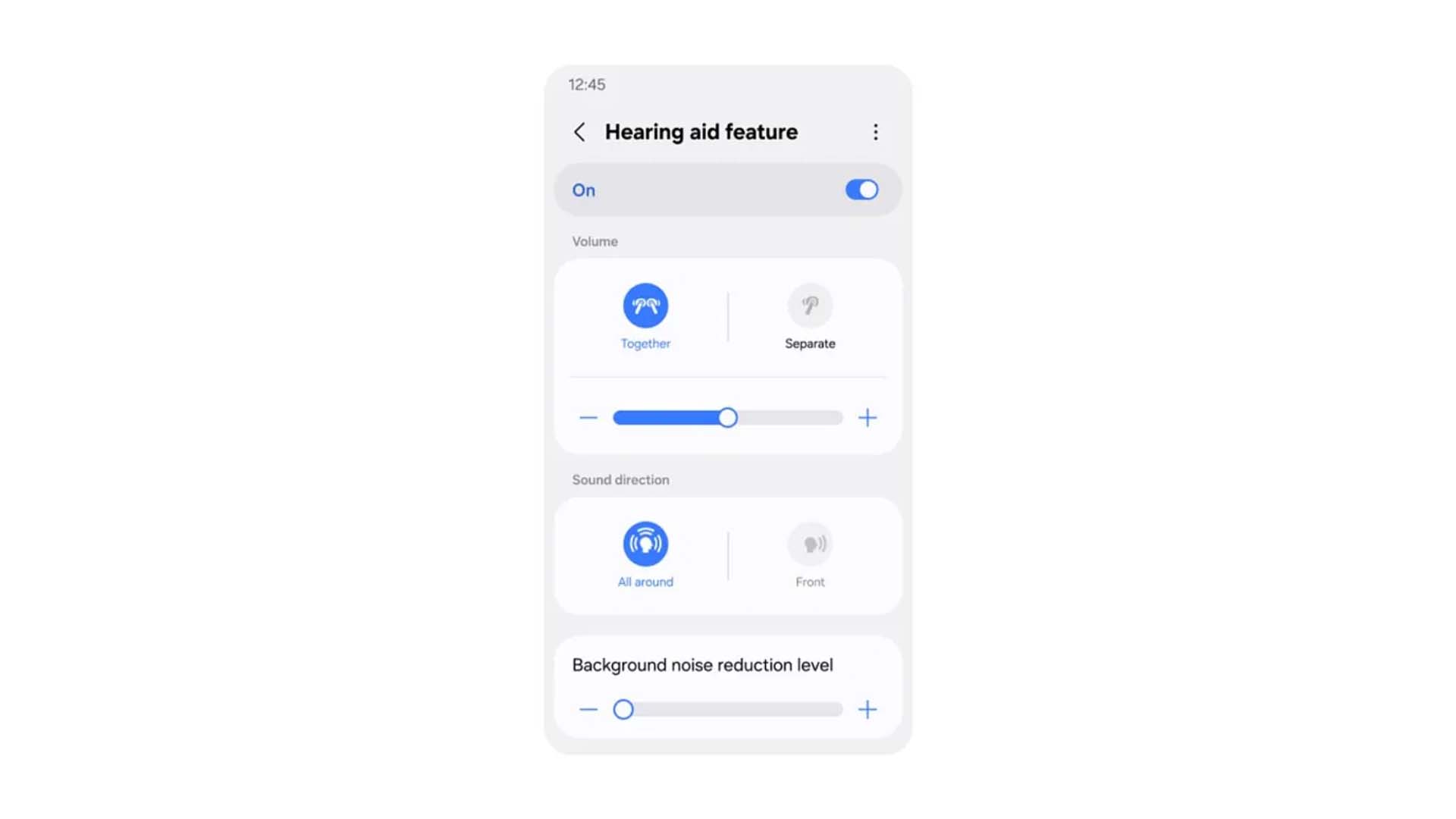
Samsung is preparing to update its flagship wireless earphone lineup with built-in hearing test tools and clinical-grade infrastructure that allows the devices to function as direct-to-consumer hearing aids. According to regulatory filings and industry reports, the upcoming software changes target models including the Galaxy Buds 3 Pro and the newer Galaxy Buds 4 Pro, introducing health-focused software adjustments by the end of the year.
The tech giant secured official clearance from the US Food and Drug Administration (FDA) for the auditory health features, positioning consumer audio hardware to bridge the gap between entertainment devices and accessible medical-grade assistance. Samsung plans to roll out these capabilities initially in the United States and a select group of international markets where regulatory approval has been finalized.
As personal audio tech converges with personal health diagnostics, understanding how these hardware updates alter the listening experience requires examining the differences between generations. The launch of the Samsung Galaxy Buds 4 Pro immediately sparked widespread technical comparisons against the Galaxy Buds 3 Pro, highlighting changes in physical styling, acoustic tuning, and wireless protocols.
Design Adjustments and Ergonomic Refinements
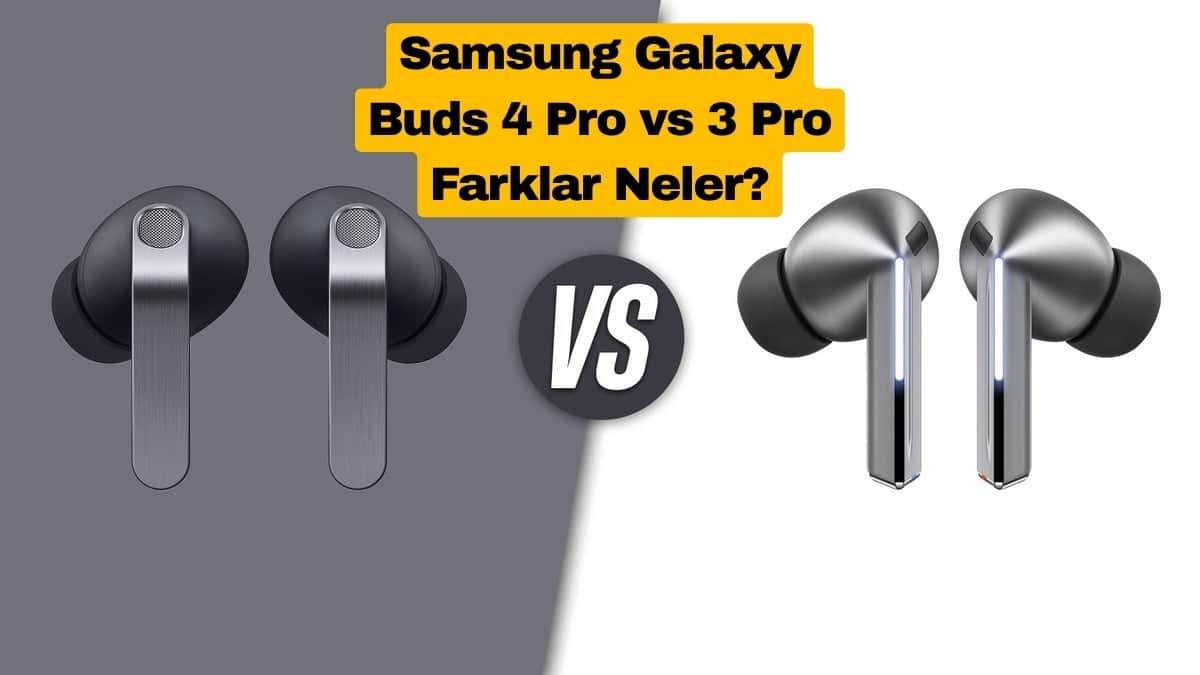
While both the Galaxy Buds 3 Pro and the Galaxy Buds 4 Pro rely on a stem-based silhouette, the newer hardware adopts a more premium aesthetic approach. According to hardware breakdowns from Teknoburada, the Galaxy Buds 4 Pro utilizes a brushed metal finish and a flattened stem structure that moves away from the glossy plastic look of its predecessor. Designers added a tactile groove to simplify locating the pinch-control zone during active use.
The charging case design also received an overhaul. The Galaxy Buds 4 Pro features a horizontal layout where the earbuds sit facing outward rather than the confusing reverse-placement configuration found in the Buds 3 Pro charging cradle. Both earbud units maintain an IP57 water and dust resistance rating, though their respective charging cases remain vulnerable to liquid exposure.
Acoustic Profiles and Active Noise Cancellation Updates
Samsung re-engineered the internal acoustic architecture for its latest pro-tier earbuds. The internal woofer measures 11 millimeters in the newer model, expanding slightly from the 10.5-millimeter driver in the Buds 3 Pro. Conversely, the planar tweeter size shifted down from 6.1 millimeters to 5.5 millimeters to address user feedback regarding harsh high frequencies.
Audio analysts note that the Galaxy Buds 3 Pro occasionally produced a slightly boomy bass response alongside sibilance in the upper registers. The Galaxy Buds 4 Pro aims for a flatter, more controlled frequency curve, keeping low-end punch intact while smoothing out high-frequency extension. Noise isolation benefits from Adaptive ANC 2.0 on the newer model, which substitutes static preset algorithms with real-time environmental frequency analysis.
Connectivity, Codecs, and Smart Features
Wireless performance sees an incremental bump with the transition to Bluetooth 6.1 on the Galaxy Buds 4 Pro, up from Bluetooth 5.4 on the Buds 3 Pro. When paired with compatible Samsung smartphones, the latest earbuds support dual-band Bluetooth transmission up to 16 kHz to improve vocal clarity for fricative sounds like ‘s’ and ‘f’. Both models support the LC3 codec for non-Samsung hardware and the proprietary Samsung Seamless Codec operating at 24-bit / 96 kHz.
Smart capabilities expand with the integration of head-gesture controls—allowing users to accept or decline incoming calls by nodding or shaking their head—alongside dual invocation support for Gemini and Bixby assistants. Battery capacities increased slightly to 61 mAh per earbud on the 4 Pro compared to 53 mAh on the 3 Pro, though total battery life remains pegged at roughly six hours with active noise cancellation enabled and up to 26 hours total using the charging case.
As Samsung implements its FDA-cleared hearing assistance software across these supported devices toward the end of the year, consumers evaluating an upgrade must weigh whether these acoustic and ergonomic refinements justify the transition. Readers are invited to share their thoughts or experiences with Samsung’s audio ecosystem in the comments below.
Worth a look