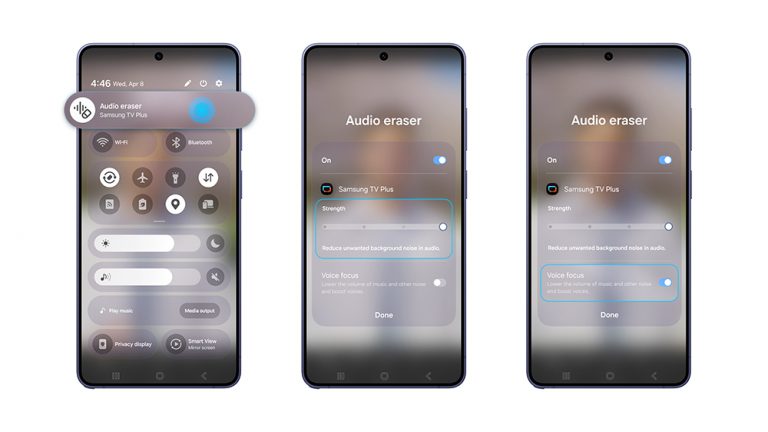
Samsung has taken a significant leap forward in mobile audio technology with the Galaxy S26 series, introducing real-time sound control through its enhanced Audio Eraser feature. This advancement marks a shift from post-recording noise reduction to live audio management, allowing users to adjust sound as it happens during streaming, video calls and media playback. The feature leverages AI-powered sound separation to isolate and optimize voices, music, and background noise instantly, delivering a clearer and more immersive listening experience across various platforms.
First introduced with the Galaxy S25 series for editing saved content, Audio Eraser has evolved considerably. It began by supporting playback adjustments within native apps like Gallery and Voice Recorder on the Galaxy Z Fold7 and Z Flip7. Now, with the Galaxy S26 series, the technology has expanded to enable real-time audio control on content streamed across over-the-top (OTT) services and social media platforms. This means users can actively manage sound quality while watching videos or listening to live content without needing to pause, rewind, or replay.
The core innovation lies in the integration of an AI sound engine with advanced sound separation technology. This system processes audio in real time, identifying and neutralizing distracting background noise while amplifying desired sounds such as speech or music. Users can enjoy clear audio even in noisy environments, whether they are participating in a video conference, streaming a movie, or engaging with user-generated content online.
Access to Audio Eraser controls has also been streamlined. Users can adjust noise levels and sound preferences directly from the Quick panel, eliminating the need to navigate through multiple menus. This seamless access ensures that audio enhancements can be applied instantly, adapting to changing environments or content types on the fly. The feature is designed to work consistently across different applications, providing a uniform experience regardless of the source of the audio.
Samsung’s development of Audio Eraser reflects a broader trend in consumer electronics toward intelligent, context-aware features that enhance usability without requiring technical expertise. By embedding AI-driven audio processing directly into the smartphone experience, the company aims to reduce friction in everyday digital interactions. The technology is particularly valuable in scenarios where audio clarity impacts comprehension or enjoyment, such as remote work, online learning, or entertainment consumption.
Industry analysts note that real-time audio enhancement on mobile devices remains a competitive differentiator, especially as consumers demand higher quality multimedia experiences. Samsung’s iterative improvements to Audio Eraser demonstrate its commitment to refining AI applications in tangible, user-focused ways. Rather than introducing entirely new concepts, the company has chosen to deepen the functionality of existing features, making them more responsive and versatile.
The Galaxy S26 series continues Samsung’s strategy of integrating AI into core smartphone functionalities, building upon the foundation laid by previous generations. Audio Eraser exemplifies how machine learning can be applied to solve common user frustrations—like unclear dialogue in videos or distracting ambient noise during calls—through software innovation rather than hardware changes alone. This approach allows for broader accessibility, as the feature can be delivered to supported devices via software updates.
As mobile usage continues to center around video and audio-rich content, tools like Audio Eraser are becoming increasingly relevant. They represent a move toward more intelligent, adaptive devices that anticipate user needs in real time. Samsung’s focus on refining such features highlights its strategy of differentiating through software intelligence, particularly in areas where audio and visual fidelity directly affect user satisfaction.
For consumers, the practical benefit is straightforward: better sound when and where it matters most. Whether trying to hear a lecturer in a recorded lecture, follow dialogue in a film with loud soundtracks, or communicate clearly in a busy café, the ability to shape audio in real time offers meaningful improvements in usability and comfort. The feature does not require additional accessories or technical setup, making it accessible to a wide range of users.
Looking ahead, the evolution of Audio Eraser may pave the way for further innovations in contextual audio processing. Potential future developments could include personalized sound profiles, environment-based auto-adjustment, or deeper integration with accessibility features for users with hearing impairments. However, any such advancements would depend on continued investment in AI research and user feedback from real-world usage.
Samsung has not announced specific timelines for future updates to Audio Eraser beyond the Galaxy S26 series, but the feature’s progression from saved-content editing to real-time streaming control suggests a clear trajectory toward greater responsiveness and adaptability. Users interested in leveraging this functionality should ensure their device is running the latest software version to access the most current capabilities.
As smartphone manufacturers continue to explore how AI can enhance everyday interactions, features like Audio Eraser serve as concrete examples of how intelligent software can improve core user experiences. By focusing on real-world problems such as noisy audio environments, Samsung demonstrates how innovation can be both technically advanced and practically useful.
For readers interested in staying informed about developments in mobile technology and AI-driven features, following official Samsung announcements and trusted technology news sources remains the best approach. These channels provide verified information about feature rollouts, device specifications, and software updates that directly impact user experience.
We encourage you to share your thoughts on how real-time audio control has affected your mobile usage. Have you noticed improvements in clarity during video calls or media consumption? Your feedback helps shape the conversation around useful technology innovations.