
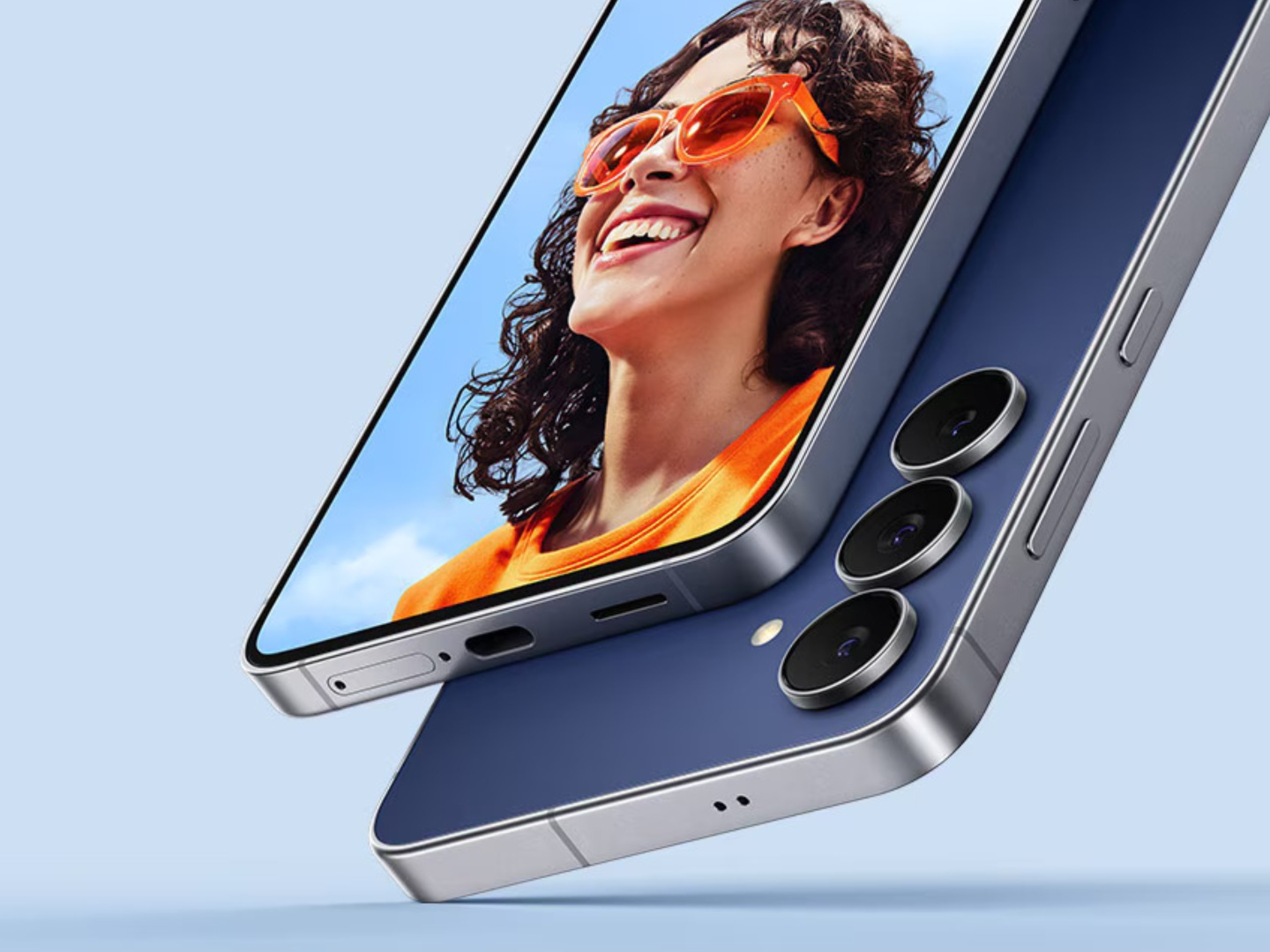
The anticipation surrounding Samsung’s “Fan Edition” lineup always brings a specific set of questions: how much of the flagship experience can be preserved while lowering the price point? As we move further into 2026, the conversation has shifted toward the upcoming Samsung Galaxy S26 FE processor, with emerging reports suggesting a strategic reliance on Samsung’s in-house Exynos silicon.
For tech enthusiasts and casual users alike, the chipset is more than just a spec sheet entry; it dictates battery life, thermal management, and the overall fluidity of the user interface. The potential move to an Exynos chip for the S26 FE reflects Samsung’s ongoing effort to balance vertical integration with the high performance demands of modern AI-driven mobile experiences.
While Samsung has not officially confirmed the hardware specifications for the S26 FE, the trend of utilizing Exynos processors in FE models has historically allowed the company to optimize costs while maintaining a competitive edge in the mid-to-high-end market. For a global audience, this choice often means regional variations in performance and efficiency, a topic that remains a point of contention among power users.
The Exynos Strategy: Performance vs. Efficiency
The decision to equip the Samsung Galaxy S26 FE with an Exynos processor is likely driven by Samsung’s desire to tighten its ecosystem. By designing both the hardware and the software optimizations, Samsung can theoretically achieve better synergy between the processor and the Galaxy One UI. However, the success of this strategy depends entirely on the architecture of the specific Exynos chip deployed.
Historically, the debate between Exynos and Qualcomm’s Snapdragon chipsets has centered on “thermal throttling”—the process where a phone slows down its processor to prevent overheating. In previous generations, Snapdragon variants often held the lead in sustained gaming performance and power efficiency. If the S26 FE is to succeed, Samsung must demonstrate that its latest Exynos iteration can handle intensive tasks without the heat spikes that plagued earlier versions.
From a technical perspective, the integration of an Exynos chip allows Samsung to leverage its own foundry capabilities. This vertical integration is crucial as the industry moves toward smaller nanometer processes, which are essential for increasing transistor density and reducing power consumption. You can explore Samsung’s current approach to mobile innovation on the Samsung Galaxy S series page.
What an Exynos-Powered S26 FE Means for Users
For the average consumer, the choice of processor manifests in three primary areas: AI capabilities, battery longevity, and connectivity.

AI and Machine Learning: With the industry-wide pivot toward “on-device AI,” the Neural Processing Unit (NPU) within the chipset is now as important as the CPU. Samsung has been aggressively integrating AI features—such as real-time translation and advanced photo editing—into its Galaxy AI suite. An Exynos processor tailored for the S26 FE would need to support these features natively to ensure the “Fan Edition” doesn’t feel like a stripped-down version of the flagship S26.
Battery Life: Efficiency is the cornerstone of the FE experience. Users typically expect the FE models to offer a balanced battery life that can last a full day of mixed usage. The efficiency of the Exynos modem and core clusters will determine whether the S26 FE can match the endurance of its predecessors.
Connectivity: One of the traditional strengths of Snapdragon chips has been the integrated X-series modems, which often provide superior 5G connectivity and signal stability in weak areas. Samsung’s in-house modems have improved significantly, but the S26 FE will be under scrutiny to see if it provides a seamless cellular experience across different global carriers.
Positioning the S26 FE in the 2026 Lineup
The “Fan Edition” occupies a unique space in the Samsung portfolio. It is designed to bridge the gap between the A-series (mid-range) and the S-series (premium). By utilizing an Exynos processor, Samsung can maintain a lower retail price while still offering a “flagship-lite” experience.
In the broader context of the S26 family, the FE model typically arrives several months after the primary launch of the S26, S26+, and S26 Ultra. This staggered release allows Samsung to refine its software and adjust pricing based on market demand. The S26 FE is expected to target users who want a premium display and a capable camera system but are unwilling to pay the premium price of the Ultra model.
The strategic importance of the S26 FE also lies in its role as a volume driver. By offering a device that feels nearly identical to the flagship in hand but costs significantly less, Samsung can capture a larger share of the upgrade cycle, particularly among younger demographics and students.
The Broader Industry Impact
Samsung’s insistence on developing its own silicon is not just about cost; it is about independence. Relying solely on a single supplier like Qualcomm creates a vulnerability in the supply chain and limits Samsung’s ability to dictate the roadmap of its own devices. By pushing Exynos into the S26 FE, Samsung is betting on its ability to innovate at the silicon level.

This move also puts pressure on other manufacturers to optimize their own hardware. We are seeing a trend across the industry—from Apple’s M-series and A-series chips to Google’s Tensor—where the most successful companies are those that control the “brains” of their devices. If the S26 FE delivers a seamless experience, it validates Samsung’s long-term investment in its semiconductor division.
For those tracking the evolution of these chipsets, official announcements regarding hardware milestones are typically shared via the Samsung Global Newsroom, which serves as the authoritative source for corporate strategy and product launches.
As we await official confirmation and benchmarks, the narrative surrounding the Samsung Galaxy S26 FE processor remains one of cautious optimism. The “Fan Edition” has a history of delivering high value, and if Samsung has solved the thermal and efficiency puzzles of the past, the S26 FE could become one of the most compelling smartphones of the year.
The next major checkpoint for this device will be the typical leak cycle that precedes the official announcement, where early benchmarks and regulatory filings often reveal the final hardware configuration. We will continue to monitor these developments as they emerge.
Do you prefer the stability of Snapdragon or the integration of Exynos in your Galaxy devices? Share your thoughts in the comments below.