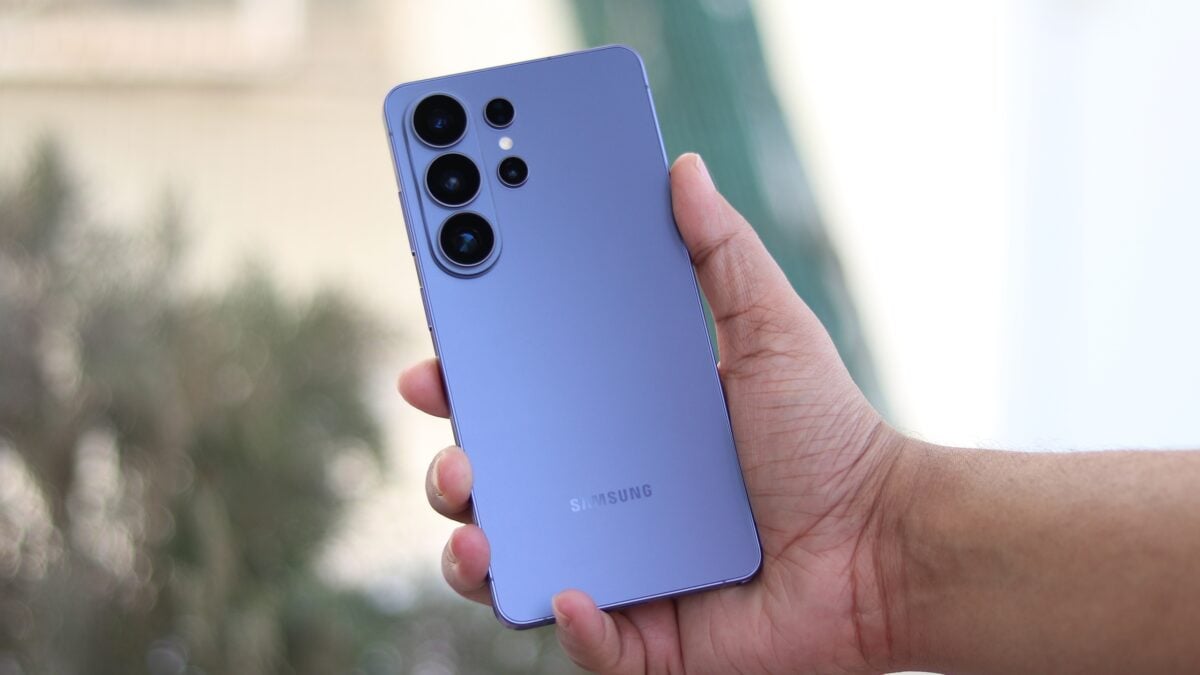
Samsung’s latest flagship effort is off to a commanding start, with the Galaxy S26 series significantly outperforming its predecessor in initial launch volume. Early data suggests that the new lineup has successfully captured the attention of premium buyers, though emerging trends indicate that a higher price point may begin to act as a drag on long-term momentum.
According to a report from Counterpoint Research, sales of the Galaxy S26 series were 13% higher during the first six weeks following its launch compared to the Galaxy S25 series during the same period last year. This growth underscores a strong initial appetite for Samsung’s newest hardware, particularly in markets where consumers are less sensitive to price increases and more driven by the latest technological integrations.
The surge in demand is not uniform across the globe, however. While the series has seen double-digit percentage growth in the United States and South Korea, the performance in other key regions tells a different story. In China and Japan, demand for the Galaxy S26 was weaker than it was for the Galaxy S25, suggesting a divergence in how the brand is being received in different Asian markets.
Premium Market Strength and AI Appeal
The disparity in regional performance appears to be closely tied to the economic profile of the consumer base and the sales infrastructure in place. In the U.S. And South Korea, the Galaxy S26 has leaned heavily on high-income demographics and the efficiency of carrier-driven sales channels, which often mitigate the immediate impact of a higher retail price through subsidies and trade-in programs.

Beyond the logistics of sales, the integration of advanced artificial intelligence has played a pivotal role in attracting early adopters. Sujeong Lim of Counterpoint Research noted in the report that the Galaxy S26 series performed strongly in premium markets characterized by “high-income consumers, carrier-driven sales channels and strong consumer receptiveness to AI features.”
This receptiveness highlights a broader trend in the consumer electronics industry where AI is no longer just a buzzword but a primary driver for hardware upgrades. For many users, the promise of enhanced productivity and smarter device interaction is outweighing the cost of the upgrade.
The Pricing Hurdle
Despite the impressive 13% jump in early sales, a significant headwind has emerged: the cost of entry. The starting price for the Galaxy S26 is $100 higher than the starting price of the Galaxy S25. While this increase was absorbed by early adopters and premium buyers, it appears to be creating a barrier for the broader market.

This pricing pressure is becoming evident even in the series’ strongest markets. Data indicates that by the sixth week of sales, the Galaxy S25 began to overtake the Galaxy S26 in some regions, including the U.S. And South Korea. This shift suggests that as the initial wave of “super-fans” and early adopters subsided, price-conscious consumers began looking back toward the previous generation’s value proposition.
The risk for Samsung is that the initial spike in sales may be a “front-loaded” success rather than a sustainable trend. As Sujeong Lim observed, “[q]uestions are being raised about whether the Galaxy S26 series can sustain its initial momentum going forward.”
Hardware Highlights and the Ultra Advantage
While the base models provide the volume, the high-end specifications of the Ultra model continue to be a major draw for power users. One specific feature gaining traction is the Privacy Display, which is exclusive to the Galaxy S26 Ultra. This feature, designed to prevent onlookers from seeing screen content, represents the kind of niche but highly valued innovation that justifies a premium price tag for a specific segment of the population.
The success of the Ultra model often serves as a halo for the entire series, signaling the technical ceiling of what Samsung’s mobile division can achieve. However, the sustainability of the series will likely depend on whether the standard and Plus models can maintain their appeal in the face of a $100 price hike.
Looking Ahead: Sustaining the Momentum
The first six weeks of a flagship launch are often the most telling, but they are rarely the full story. Samsung now faces the challenge of transitioning from the “hype phase” to the “sustained growth phase.” To do this, the company may need to rely more heavily on promotional offers or carrier incentives to bridge the gap created by the increased MSRP.

Industry analysts will be watching the second-quarter sales figures closely to see if the trend of the S25 overtaking the S26 in the sixth week was a temporary dip or a sign of a broader market correction. If the momentum continues to slide, the price gap between generations could become the defining narrative of the S26’s lifecycle.
For more detailed analysis on the latest smartphone market trends and hardware reviews, stay tuned to our technology section. We will continue to monitor sales data as more regional reports become available.
Do you think the new AI features justify a $100 price increase? Share your thoughts in the comments below or join the conversation on our social media channels.