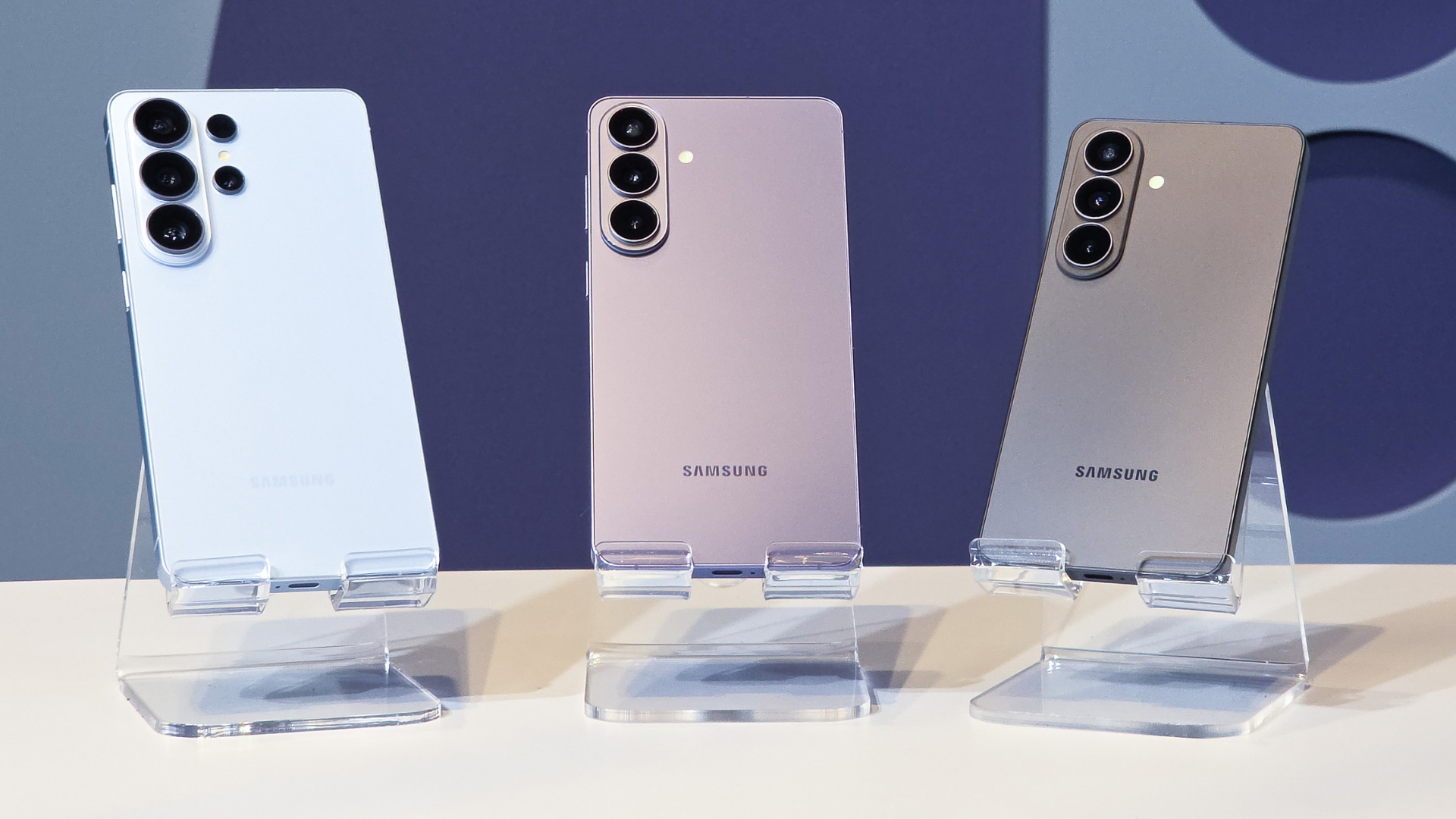
Samsung’s latest flagship, the Galaxy S26 Ultra, is making waves not for what it *includes*, but for what it leaves out. In a surprising move, the tech giant has opted to forgo a titanium frame – a feature increasingly touted for premium smartphones – in favor of its Armor Aluminum alloy. This decision, officially announced at Galaxy Unpacked 2026, isn’t a step backward in quality, but a strategic engineering choice aimed at achieving a record-breaking thinness for the device. The shift highlights a growing industry trend prioritizing sleek design and thermal efficiency over the perceived prestige of exotic materials like titanium.
The Galaxy S26 Ultra’s design represents a significant departure from its predecessor, the S25 Ultra, which did feature a titanium frame. Whereas the S25 Ultra offered enhanced durability, Samsung engineers determined that aluminum was crucial to achieving a slimmer profile without compromising structural integrity. This isn’t simply about aesthetics. the internal arrangement of components and the efficient management of heat are also heavily influenced by the materials used in the phone’s construction. The company’s decision underscores a broader re-evaluation of material science in the smartphone industry, balancing premium feel with practical engineering considerations.
The Engineering Behind the Shift to Armor Aluminum
According to information shared with SamMobile, Samsung’s rationale centers on the technical benefits of aluminum. Titanium, while strong and visually appealing, presents challenges in terms of cost and thermal dissipation. Aluminum, particularly Samsung’s proprietary high-strength alloy, offers a more effective solution for managing the heat generated by the phone’s powerful latest chipset and advanced display technologies. Efficient heat management is paramount for maintaining consistent performance and preventing throttling during demanding tasks like gaming or video editing.
The choice of Armor Aluminum allows for a more streamlined internal design, reducing the overall thickness of the device. This is a significant achievement in smartphone engineering, where squeezing more features into increasingly compact spaces is a constant challenge. The material’s properties also contribute to a lighter weight, enhancing the overall user experience and making the phone more comfortable to hold and use for extended periods. Samsung has a long history of developing and refining its Armor Aluminum alloys, and this latest iteration is specifically engineered to meet the demands of a flagship device.
Thermal Management and Performance Implications
The decision to prioritize aluminum isn’t solely about achieving a thinner form factor. Thermal management is a critical aspect of smartphone performance, and aluminum’s superior thermal conductivity plays a vital role in keeping the device cool under pressure. A well-managed thermal system prevents the chipset from overheating, which can lead to performance throttling – a reduction in processing speed to prevent damage. By optimizing heat dissipation, Samsung aims to ensure that the Galaxy S26 Ultra delivers consistently high performance, even during intensive use.
The Galaxy S26 Ultra also introduces advancements in display technology, including a new “Privacy Display” feature. While details are still emerging, this technology likely involves enhanced viewing angle control to protect sensitive information from prying eyes. These advanced display features, coupled with a powerful processor, generate additional heat, further emphasizing the importance of an effective thermal management system. The aluminum frame, isn’t just a structural component; it’s an integral part of the phone’s overall performance architecture.
A Broader Industry Trend: Rethinking Exotic Materials
Samsung’s move away from titanium isn’t an isolated incident. Reports suggest that Apple is also re-evaluating its use of exotic materials, with a similar shift anticipated in future iPhone models. Specifically, sources indicate a move away from titanium for the iPhone 17 Pro, signaling a broader industry trend towards prioritizing thermal efficiency and slim designs. This suggests that the initial rush to adopt titanium may have been driven more by marketing appeal than by genuine engineering advantages.
The focus is shifting towards finding the optimal balance between material properties, cost, and manufacturing complexity. While titanium offers a premium feel and aesthetic, its high cost and thermal limitations make it less practical for mass production. Aluminum, is more affordable, easier to perform with, and offers superior thermal conductivity. This doesn’t necessarily mean that titanium will disappear from smartphones altogether, but its use is likely to become more targeted, reserved for specific applications where its unique properties are truly essential.
The Role of Apple and Future Material Innovations
The reported shift by Apple, as noted in industry analysis, further validates Samsung’s decision. Both companies are facing similar challenges in terms of miniaturization, performance optimization, and thermal management. The industry is actively exploring alternative materials and manufacturing processes to overcome these challenges. This includes research into new aluminum alloys, composite materials, and advanced cooling systems. The future of smartphone materials is likely to be characterized by a greater emphasis on functionality and efficiency, rather than simply chasing the latest trends.
The Galaxy S26 Ultra’s adoption of Armor Aluminum represents a pragmatic approach to smartphone design. By prioritizing thermal performance and a slimmer profile, Samsung has created a device that is both powerful and comfortable to use. This decision underscores the importance of engineering expertise and a willingness to challenge conventional wisdom in the pursuit of innovation. The move also highlights the evolving landscape of smartphone materials, where the focus is shifting towards finding the optimal balance between cost, performance, and aesthetics.
As Samsung continues to refine its Armor Aluminum technology and explore new materials, we can expect to see further advancements in smartphone design and performance. The company’s commitment to innovation, coupled with its deep understanding of material science, positions it as a leader in the industry. The Galaxy S26 Ultra is a testament to this commitment, demonstrating that sometimes, the best way to move forward is to revisit and refine proven technologies.
Samsung officially unveiled the Galaxy S26 Ultra at Galaxy Unpacked 2026, alongside a range of other new products and services. WIRED provides a comprehensive overview of all the announcements made at the event, including details on the new Privacy Display technology and the enhanced chipset.
The next key date for Samsung is the release of the Galaxy S26 Ultra to major markets worldwide, scheduled for March 15, 2026. Consumers eager to experience the new device can pre-order it starting February 28, 2026, through Samsung’s website and authorized retailers. We encourage our readers to share their thoughts and experiences with the Galaxy S26 Ultra in the comments below.