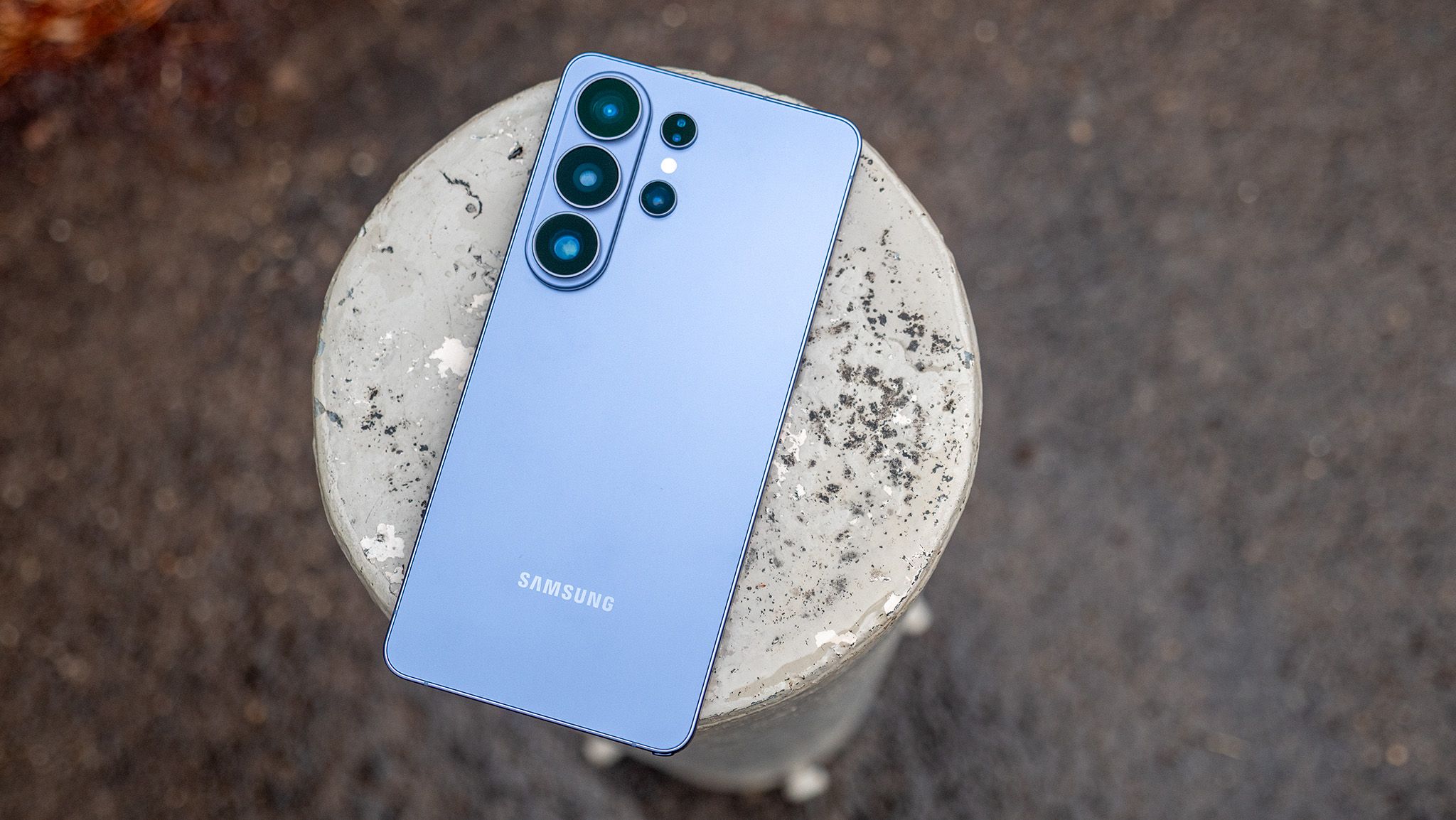
Samsung is reportedly testing Sony camera sensors and silicon-carbon battery technology for the upcoming Galaxy S27 and S27 Plus, according to recent industry leaks. These developments suggest a shift away from Samsung’s proprietary ISOCELL sensors for the base models and a move toward higher-density battery chemistry to improve efficiency.
The shift in hardware strategy comes as Samsung seeks to refine its flagship offerings. While the company typically relies on its own ISOCELL technology, reports indicate that a move to Sony sensors for the S27 and S27 Plus is currently being evaluated. This change would represent a significant departure from the vertical integration Samsung has maintained across most of its S-series lineup.
Sony Sensor Testing for Galaxy S27 and S27 Plus
Reports from Galaxy Club, as cited by GSMArena, claim that Samsung is testing Sony camera sensors for the main lenses of the Galaxy S27 and S27 Plus. If these tests prove successful, the main sensors for both devices could move to a 50MP resolution. This would mark a transition from the in-house ISOCELL sensors that have defined the series’ imaging capabilities for years.
This potential swap mirrors Samsung’s existing regional strategy with processors, where the company often alternates between its own Exynos chips and Qualcomm Snapdragon processors depending on the market. Moving to Sony for the S27’s primary optics could be a similar strategic pivot to optimize image processing and sensor performance.
While the base and Plus models may see this shift, the Galaxy S27 Ultra is expected to maintain a different trajectory. Reports suggest the Ultra model may utilize an ISOCELL HP6 sensor, which is rumored to retain a 200MP resolution while providing an overall upgrade in performance over previous generations.
Silicon-Carbon Battery Integration
Samsung is also reportedly exploring new battery chemistry for the next flagship cycle. According to tipster Lanzuk on Naver, silicon-carbon battery technology is currently undergoing application testing for the Galaxy S27 series.
Silicon-carbon batteries are designed to offer higher energy density than traditional graphite-based lithium-ion batteries, potentially allowing for more capacity in the same physical footprint. This technology has already appeared in Samsung’s most recent foldable devices, providing a blueprint for its implementation in the S-series slab phones.
Despite the shift in chemistry, early reports from Lanzuk indicate that total battery capacity may not have increased yet. However, the source notes that because the S27 series is in the early stages of development, “nothing is finalized,” and capacity adjustments could still occur before the devices reach mass production.
Potential Expansion of the S27 Lineup
Industry rumors suggest Samsung may expand the S27 family by introducing a fourth model, tentatively referred to as the “Galaxy S27 Pro.” This new addition would sit between the S27 Plus and the S27 Ultra, aiming to bridge the gap in camera performance.
The rumored S27 Pro would likely feature camera hardware closer to the Ultra’s experience but would potentially utilize entirely new sensors to differentiate itself within the portfolio. This expansion would allow Samsung to target a wider range of price points and performance needs, offering a “pro” experience without the full cost or size of the Ultra model.
For those tracking these developments, the next major checkpoint will be the official announcement of the Galaxy S27 series, typically expected in the first quarter of the calendar year. Until then, these hardware changes remain in the testing and rumor phase.
Do you think a shift to Sony sensors will improve Samsung’s photography? Share your thoughts in the comments below.
Worth a look