
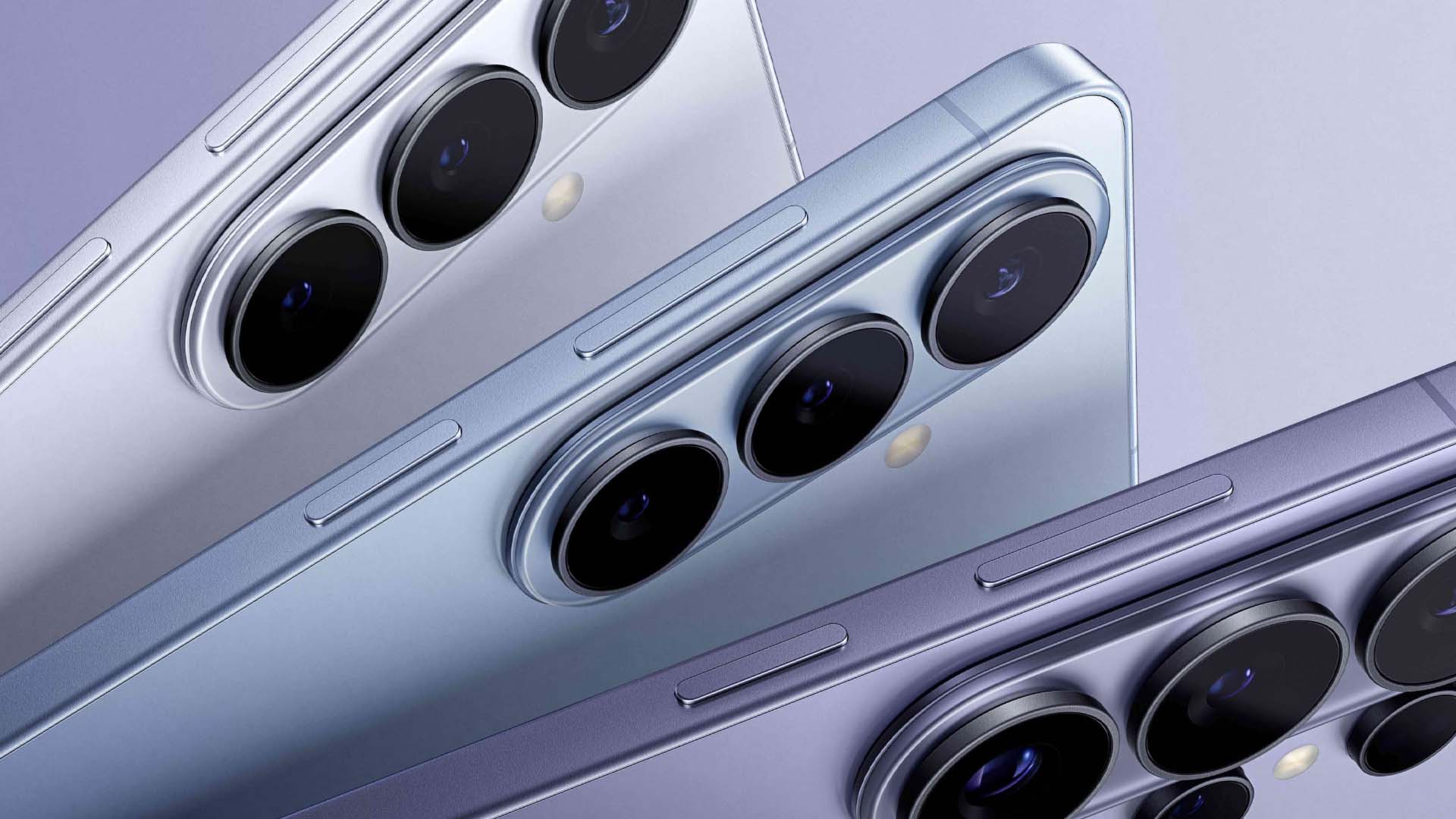
Samsung Electronics is reportedly shifting its display supply chain strategy for the upcoming Galaxy S27 series, with industry indicators suggesting that the company will move away from Chinese manufacturer BOE Technology Group for its flagship panel requirements. While Samsung has yet to issue an official statement regarding its procurement roadmap for the 2025 flagship lineup, reports from supply chain analysts point to a consolidation of orders among South Korean and domestic partners.
This potential transition marks a notable shift in the competitive landscape of the smartphone display market. Historically, Samsung has utilized a diversified supply chain to manage costs and production capacity for its mobile devices. However, recent industry chatter—often centered on quality control standards and the premium positioning of the Galaxy S-series—suggests that the company is prioritizing internal or local display solutions to maintain the display fidelity expected by its global user base.
Shifting Display Procurement Strategies
The reliance on BOE for high-end smartphone displays has been a subject of ongoing debate within the tech industry. For several years, major manufacturers, including Samsung, have integrated panels from various vendors to balance the high demand for flagship devices. According to industry reports, the decision to potentially exclude BOE from the Galaxy S27 supply chain may stem from a strategic effort to tighten integration between the hardware and the display driver technology.
By moving away from external suppliers for its most premium models, Samsung appears to be hedging against potential inconsistencies in panel performance. This strategy also aligns with the company’s broader goal of maintaining a clear technological gap between its flagship offerings and mid-range devices. As Samsung continues to refine its LTPO (Low-Temperature Polycrystalline Oxide) display technology, ensuring that all components—from the organic light-emitting diode layers to the touch sensors—meet stringent internal benchmarks remains a priority for the engineering teams in Suwon.
Impact on the Galaxy S27 Series Lineup
Beyond display specifications, the Galaxy S27 series is expected to undergo significant hardware changes. Market rumors have circulated regarding the potential return of a “Pro” model, a branding strategy that would sit between the standard and “Ultra” variants. This structure could allow Samsung to better segment its market, providing a clearer path for consumers looking for specific feature sets, such as camera arrays or display sizes, without committing to the highest-priced tier.
The internal processing hardware remains another critical point of speculation. While the Galaxy S24 and S25 series utilized a mix of Qualcomm’s Snapdragon platforms and Samsung’s own Exynos chips depending on the region, the industry is closely watching whether the S27 will standardize its silicon. Some analysts suggest the possible inclusion of an Exynos 2700 processor, though these claims remain unverified and subject to change based on the final performance outcomes of the chip’s development cycle.
What This Means for Consumers
For the average consumer, these supply chain adjustments are primarily aimed at ensuring a uniform user experience across the flagship range. A consistent display panel source across the lineup can simplify color calibration, battery efficiency, and touch responsiveness. If Samsung successfully moves toward a more centralized display supply chain, users may notice a higher degree of consistency in peak brightness, refresh rate stability, and power consumption across the entire S27 series.
However, these changes also carry implications for market pricing. Reliance on internal or primary-tier suppliers often comes at a higher cost than sourcing from multiple secondary vendors. Whether this will affect the retail price of the Galaxy S27 remains to be seen. Given the global inflationary pressures on semiconductor and display material costs, the company faces a complex balancing act between maintaining its profit margins and remaining competitive against other premium smartphone manufacturers.
Next Steps in the Development Cycle
As of now, the specifications and supplier list for the Galaxy S27 series remain in the development phase. Samsung typically formalizes its component procurement contracts several months before the start of mass production, which usually commences in the final quarter of the year preceding the device’s launch. Consumers should look for official announcements during the next Samsung Galaxy Unpacked event, which historically takes place in the first quarter of the calendar year.

Until then, the industry will continue to track filings and supply chain leaks to piece together the final hardware configuration. For those interested in the latest developments, keeping an eye on official Samsung press releases and regulatory certifications is the most reliable way to distinguish between speculation and verified product updates. Readers are encouraged to share their thoughts on these potential hardware shifts in the comments section below.