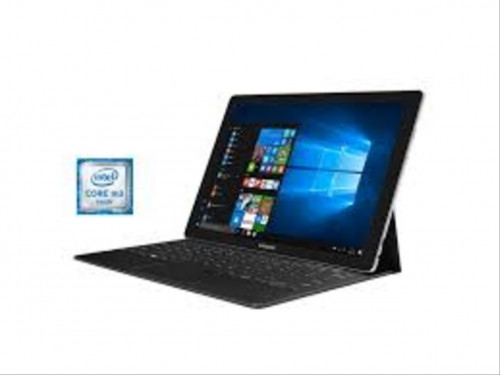
Samsung’s Galaxy Tab S series has long stood as a benchmark for premium Android tablets, blending high-performance hardware with sophisticated design. As the tech world looks ahead to 2026, anticipation is building around the next evolution of this lineup — the Galaxy Tab S Series 2026. While Samsung has not yet officially unveiled details about the upcoming models, industry analysts and supply chain reports suggest significant advancements are in store, particularly in display technology, processing power, and productivity-focused features. For professionals, creatives, and power users who rely on tablets as laptop alternatives, the 2026 refresh could redefine what’s possible in mobile computing.
The Galaxy Tab S line has consistently pushed the boundaries of mobile display innovation, and the 2026 models are expected to continue that trend with next-generation AMOLED panels. Rumors point to brighter, more efficient screens with improved color accuracy and adaptive refresh rates that could reach up to 144Hz in certain models. These enhancements would not only elevate media consumption and gaming but also support precision work in design, photo editing, and digital art — areas where Samsung has increasingly positioned its tablets as serious creative tools. With the S Pen ecosystem deeply integrated into the user experience, any upgrade to screen responsiveness or latency could have meaningful implications for note-taking and sketching accuracy.
Beyond the display, the 2026 Galaxy Tab S series is anticipated to feature upgraded chipsets, possibly leveraging Samsung’s latest Exynos or Qualcomm Snapdragon platforms built on 3nm or 2nm process nodes. Such advancements would deliver substantial gains in CPU and GPU performance, enabling smoother multitasking, faster AI processing, and improved battery efficiency. Given the growing importance of on-device AI for features like real-time transcription, image generation, and intelligent photo editing, a more powerful neural processing unit (NPU) could be a key differentiator. Samsung’s collaboration with Google on Android optimizations may further enhance how these tablets handle productivity workflows, especially in DeX mode.
Expected Display Innovations: Brighter, Smoother, More Immersive
One of the most consistently praised aspects of the Galaxy Tab S series has been its Super AMOLED display, known for deep blacks, vibrant colors, and excellent outdoor visibility. For the 2026 iteration, leaks from display supply chain sources suggest Samsung may introduce a new generation of its panel technology, potentially branded as “AMOLED X2” or similar, with peak brightness exceeding 1,600 nits in high dynamic range (HDR) content. This would represent a notable increase over the current Galaxy Tab S10 Ultra, which offers up to 930 nits of typical brightness and 1,200 nits in HDR mode, according to Samsung’s official specifications.
Such a brightness boost would significantly improve usability in direct sunlight — a common pain point for tablet users working outdoors or in brightly lit environments. Combined with anticipated improvements in power efficiency from newer OLED materials and driving techniques, the 2026 models could maintain or even improve battery life despite the brighter panel. Adaptive refresh rate technology, already present in current models, is expected to be refined further, potentially dropping as low as 1Hz for static content to conserve power while scaling up to 120Hz or higher during scrolling, gaming, or stylus use.
Color accuracy is also likely to spot enhancements, with broader coverage of DCI-P3 and possibly BT.2020 color gamuts, along with factory calibration options for professional users. These improvements would create the tablets more suitable for color-critical work such as video grading, graphic design, and medical imaging review — use cases Samsung has been actively courting through partnerships with software developers and enterprise clients. Independent testing by display analysts at organizations like DisplayMate will be crucial in verifying these claims once the devices are released.
Performance and AI Integration: Powering the Next Generation of Productivity
Under the hood, the Galaxy Tab S Series 2026 is expected to feature a significant leap in processing capability. While Samsung has not confirmed the exact chipset, industry trends point toward either the Exynos 2500 or a customized Qualcomm Snapdragon 8 Gen 4 (or later) built on an advanced process node. Both options would offer substantial improvements in multi-core CPU performance and GPU efficiency compared to the Snapdragon 8 Gen 3 found in the current Tab S10 series. Benchmarks from early engineering samples, if leaked, could provide early insight, but official performance data will only be available post-launch.
More than raw power, the 2026 tablets are likely to emphasize on-device artificial intelligence as a core feature. Samsung has been integrating its Gauss AI models into recent devices, and the next-generation tablets could run more sophisticated versions locally — enabling features like real-time language translation, context-aware photo editing, and intelligent document summarization without relying on cloud connectivity. This aligns with broader industry shifts toward edge AI, driven by privacy concerns, latency reduction, and the need for offline functionality in professional settings.
The S Pen experience is also expected to evolve, with potential improvements in latency, pressure sensitivity, and tilt recognition. Current models offer 2.8ms latency and 4,096 levels of pressure sensitivity, but rumors suggest Samsung aims to reduce latency below 2ms while increasing sensitivity tiers — changes that would be particularly valuable for digital artists and architects. Any such upgrades would likely be accompanied by software enhancements in Samsung Notes, Clip Studio Paint, or Adobe Fresco, deepening the tablet’s appeal as a creative workstation.
Design, Battery, and Ecosystem Integration
Design-wise, the Galaxy Tab S series has maintained a sleek, metal-unibody aesthetic with thin bezels and a focus on portability. The 2026 models are expected to follow this language, possibly with even slimmer profiles and reduced weight through the use of advanced materials like reinforced aluminum alloys or titanium frames in higher-end variants. Samsung may also refine the placement of antennas and speakers to improve audio output and 5G/mmWave connectivity, especially as more users rely on tablets for video conferencing and mobile work.
Battery capacity remains a critical factor, particularly as displays grow brighter and processors more powerful. While specific mAh ratings are unverified, Samsung is likely to optimize power efficiency through software-hardware co-design, leveraging AI-driven background process management and adaptive refresh control. Fast charging — potentially up to 45W or higher — and wireless charging compatibility are expected to continue, with reverse wireless charging possibly extended to support earbuds or smartwatches.
Ecosystem integration will remain a strong suit, with seamless connectivity to Galaxy smartphones, Buds, Watches, and the SmartThings platform. Features like Continuity, Multi Control (allowing a single keyboard and mouse to switch between tablet and PC), and Second Screen are expected to be refined further. Samsung’s DeX mode, which transforms the tablet into a desktop-like interface, may see closer alignment with Windows 365 or cloud PC services, blurring the line between mobile and traditional computing.
Market Positioning and Consumer Expectations
The Galaxy Tab S series competes directly with Apple’s iPad Pro lineup, particularly in the premium productivity and creative segments. While Apple maintains an edge in app optimization and long-term software support, Samsung has differentiated itself through hardware versatility, expandable storage via microSD (in some models), and deeper Android customization. The 2026 refresh will need to address ongoing concerns about Android tablet app ecosystems, where many applications still lack tablet-optimized interfaces compared to iPadOS.
To strengthen its position, Samsung may continue investing in partnerships with major software developers to ensure flagship Adobe, Autodesk, Microsoft, and Google apps are fully optimized for large screens and stylus input. Enterprise features such as Knox security, Samsung DeX for PC-like workflows, and zero-touch deployment could also be enhanced to attract business and education buyers. Pricing remains a key variable. if the 2026 models launch at a premium, they will need to deliver clear, measurable advantages over both the iPad Pro and the previous generation of Tab S devices to justify the cost.
For consumers, the decision will likely hinge on specific use cases: those prioritizing drawing, note-taking, or field work may favor the S Pen integration and AMOLED display, while users focused on media consumption or lightweight productivity might weigh battery life, portability, and price more heavily. Independent reviews from trusted outlets like The Verge, CNET, and GSMArena will be essential in helping buyers understand real-world performance once the devices are available.
As of now, Samsung has not announced an official launch date for the Galaxy Tab S Series 2026. Historical patterns suggest a spring or early summer unveiling, possibly coinciding with the Galaxy S series launch or a dedicated Unpacked event. Until then, specifications remain speculative, and consumers are advised to rely on verified information from Samsung’s official channels or reputable technology journalists with proven track records in reporting on unreleased devices.
For the latest updates on the Galaxy Tab S Series 2026, including confirmed specifications, pricing, and availability, visit Samsung’s official newsroom at news.samsung.com/global. Share your thoughts on what you hope to see in the next generation of Galaxy Tab S devices in the comments below, and feel free to share this article with others interested in the future of mobile computing.
Related reading
- Prime Video Casts New Kratos for God of War Series After Ryan Hurst Injury
- New In-Game and Spotify Songs: Tina Turner, Third Eye Blind & More
- New Dacia Duster & Bigster Hybrid 150 4×4: Prices and Specs Announced (archynewsy.com)
- CPO Foundry Roadmaps: TSMC, Intel, Samsung, and GlobalFoundries Compared (newsdirectory3.com)