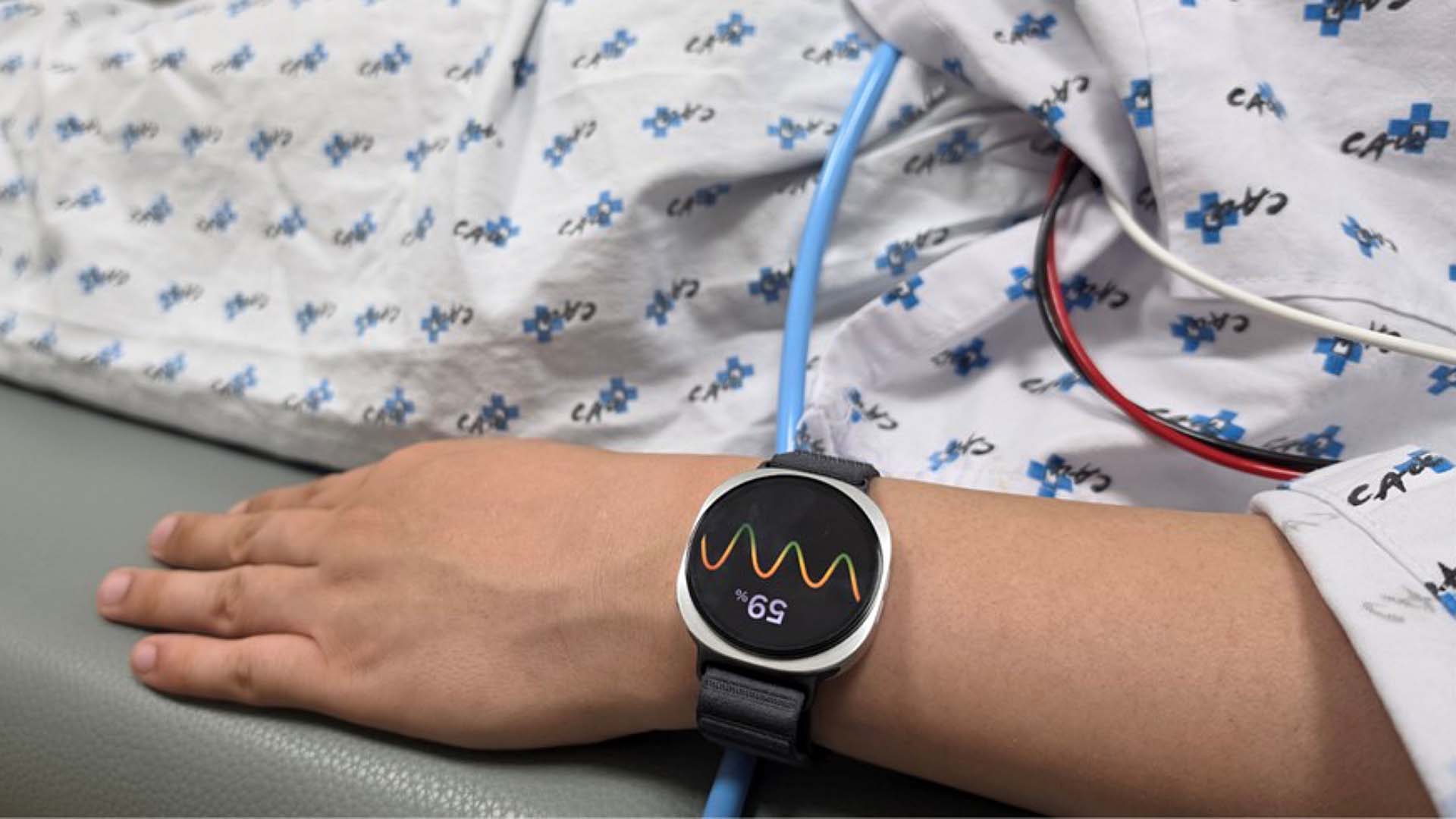
The evolution of wearable technology is shifting from simple activity tracking to proactive medical intervention. In a significant leap for consumer health tech, Samsung Electronics Co., Ltd. Has announced the results of a joint clinical study that demonstrates the ability to predict fainting episodes before they occur, potentially saving users from dangerous falls.
Working alongside Chung-Ang University Gwangmyeong Hospital in Korea, researchers have validated a system that can identify the onset of vasovagal syncope (VVS) using the biosignals captured by the Galaxy Watch6. This breakthrough in Samsung Galaxy Watch fainting prediction could transform how individuals prone to fainting manage their safety in real-time.
Vasovagal syncope occurs when a person’s blood pressure and heart rate drop abruptly, often triggered by factors such as excessive stress, leading to a temporary loss of consciousness. While the fainting spell itself is typically not life-threatening, the sudden loss of consciousness often results in uncontrolled falls. These falls can lead to severe secondary injuries, including concussions or bone fractures, making the ability to predict an episode critical for patient safety.
The Science Behind the Prediction: PPG and AI
The ability to forecast a fainting spell relies on the integration of specialized hardware and machine learning. The research team utilized the photoplethysmography (PPG) sensor integrated into the Galaxy Watch6 to monitor the wearer’s physiological state.
By analyzing heart rate variability (HRV) data, an AI algorithm was trained to recognize the specific patterns that precede a vasovagal event. Heart rate variability refers to the variation in time between each heartbeat; significant changes in this rhythm can signal the body’s autonomic nervous system reacting to the triggers that lead to syncope.
The AI model processes these biosignals to detect the precise moment the body begins to slide toward a loss of consciousness. Rather than simply detecting that a person has already fallen—a feature already present in many modern smartwatches—this system aims to provide a preemptive warning, allowing the user to take corrective action.
Clinical Validation and Accuracy
To test the efficacy of the AI model, the joint research team, led by Professor Junhwan Cho of the Department of Cardiology at Chung-Ang University Gwangmyeong Hospital, conducted a rigorous clinical evaluation. The study involved 132 patients who exhibited suspected VVS symptoms.
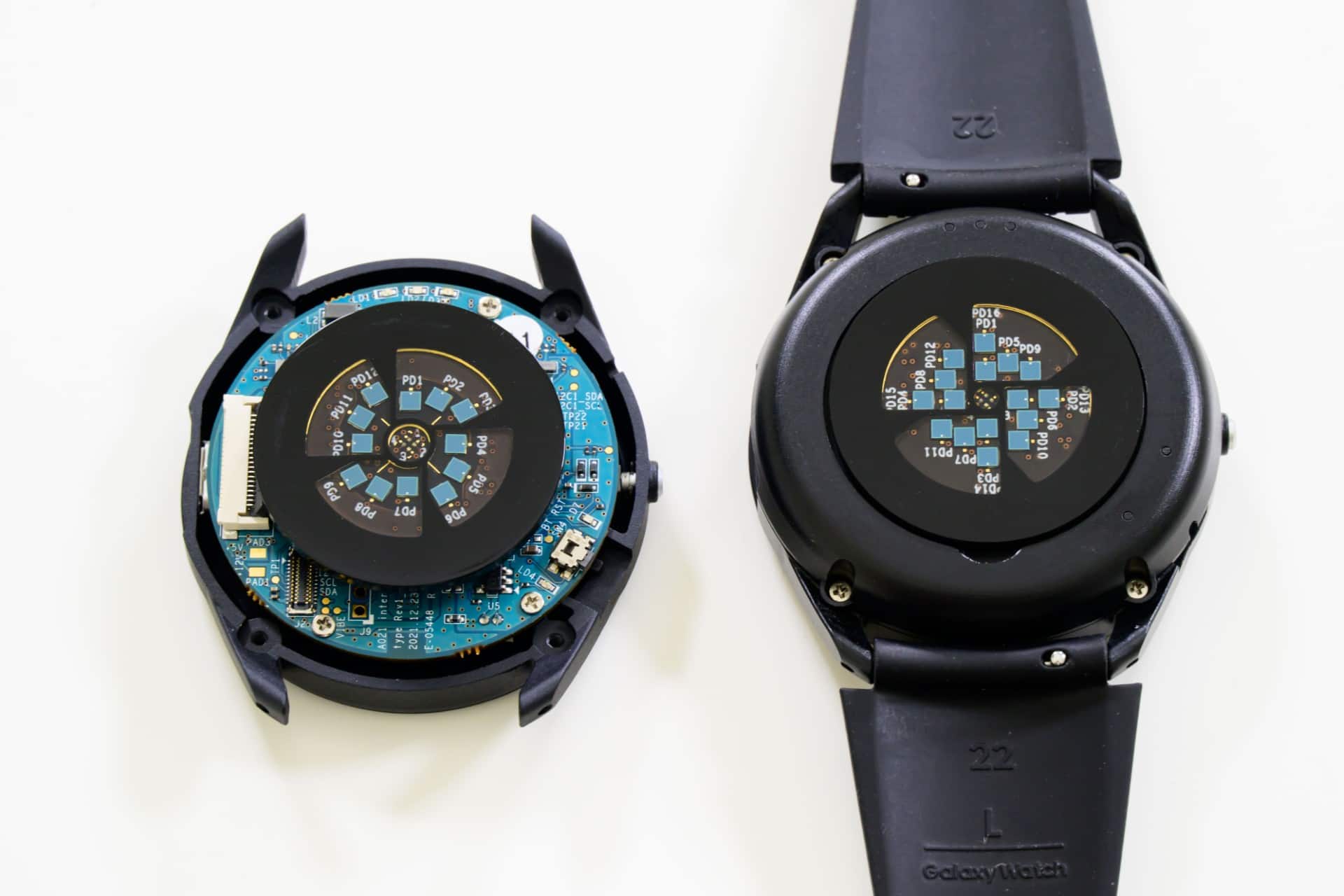
These participants underwent induced fainting tests, providing the researchers with a controlled environment to observe the biosignals leading up to a syncope event. According to the study results, the AI model successfully predicted impending fainting episodes up to five minutes in advance with 84.6 percent accuracy.
This five-minute window is a critical development in medical wearables. In a real-world scenario, a few minutes of warning can be the difference between a person collapsing on a hard surface and a person having enough time to sit or lie down safely, thereby eliminating the risk of a traumatic fall.
Reducing Secondary Injuries and Trauma
The primary goal of this technology is not the treatment of the syncope itself, but the prevention of the physical trauma that accompanies it. Professor Junhwan Cho emphasized the danger of these uncontrolled falls during the study’s announcement.
“It’s not uncommon for syncope patients to suffer trauma from falls, and in extreme cases, some experience severe injuries such as fractures or cerebral hemorrhage,” Professor Cho stated. He noted that an early warning system would give patients the necessary time to “get into a safe position or call for help, which would dramatically reduce the incidence of secondary injuries.”
For patients who suffer from chronic VVS, the anxiety of an unpredictable fainting spell can be as debilitating as the condition itself. By providing a reliable warning, this technology offers a layer of psychological security and physical protection, moving the Galaxy Watch from a fitness accessory to a vital health tool.
The Future of Real-Time Warning Systems
The success of this joint study paves the way for the development of real-time warning systems integrated directly into consumer wearables. While the study focused on the Galaxy Watch6, the implications extend to the broader field of digital health and AI-driven diagnostics.
The integration of high-accuracy prediction models into everyday devices suggests a future where wearables can monitor for a variety of acute medical events—ranging from cardiac arrhythmias to neurological episodes—providing users with life-saving seconds of notice.
As Samsung continues to refine these AI algorithms, the focus will likely shift toward reducing false positives and ensuring the system remains accurate across diverse populations and environmental conditions. The goal is a seamless, non-invasive monitor that operates in the background, intervening only when a critical health event is imminent.
For those currently managing vasovagal syncope, this research represents a significant step toward a world where a fainting spell no longer carries the risk of a life-altering injury.
The next phase for this technology will likely involve further clinical trials to refine the AI’s sensitivity and the potential integration of these findings into official software updates for the Galaxy wearable ecosystem. We will continue to monitor official announcements from Samsung and Chung-Ang University Gwangmyeong Hospital regarding the commercial availability of these predictive features.
Do you think AI-driven health warnings will become a standard requirement for all wearables? Share your thoughts in the comments below or share this article with someone who follows the latest in health tech.
Worth a look