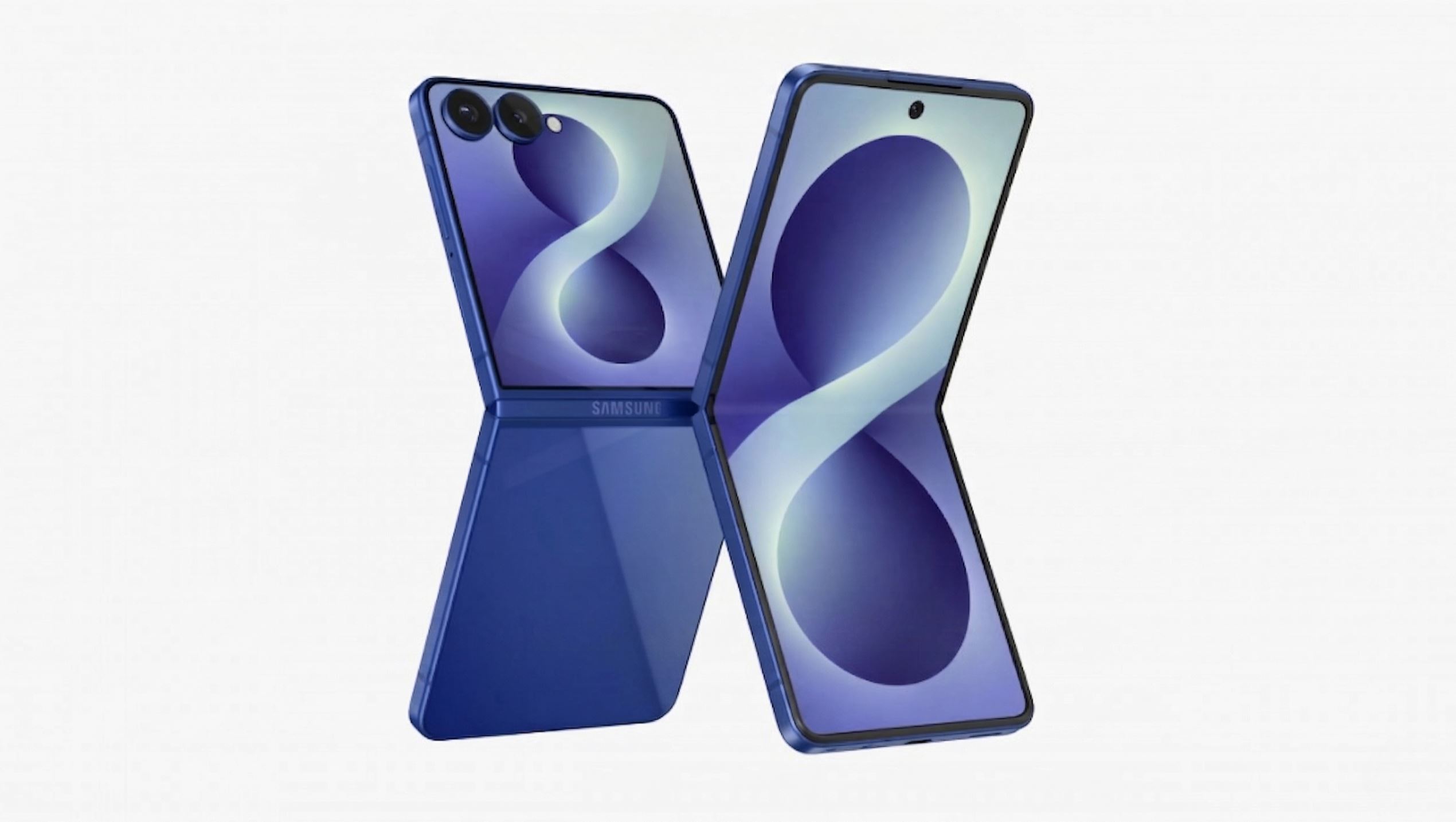
Samsung is already laying the groundwork for its 2026 foldable strategy, shifting its focus toward the next generation of software and hardware. While the industry is currently anticipating the launch of the Galaxy S26 series, leaks indicate that the company has already begun testing One UI 9 builds specifically for the Samsung Galaxy Z Flip 8 and the Galaxy Z Fold 8.
The early appearance of these test builds suggests an aggressive development cycle. For those of us following the intersection of software engineering and consumer electronics, this move is telling. Samsung is essentially preparing the software ecosystem for its next-gen foldables before the current flagship cycle has even fully matured. The upcoming One UI 9 is reported to be based on Android 17 according to early leaks.
As a journalist with a background in computer science, I find the timing of these leaks particularly interesting. Samsung is expected to launch the Galaxy S26 series with One UI 8.5 preinstalled, yet the company is already refining the version that will likely power its foldable lineup in the second half of 2026 as reported on February 12, 2026. This overlap ensures that the unique form factors of the Flip and Fold series receive dedicated optimization for the latest Android architecture.
One UI 9 Test Builds and Firmware Details
The discovery of One UI 9 test builds provides a rare glimpse into the specific model identifiers Samsung is using for its 2026 devices. Tipsters have identified distinct firmware versions for both the book-style and clamshell foldables. The Galaxy Z Fold 8 is associated with firmware version F976USQU0AZB1, while the Samsung Galaxy Z Flip 8 carries the firmware version F776USQU0AZB1 per verified leak data.
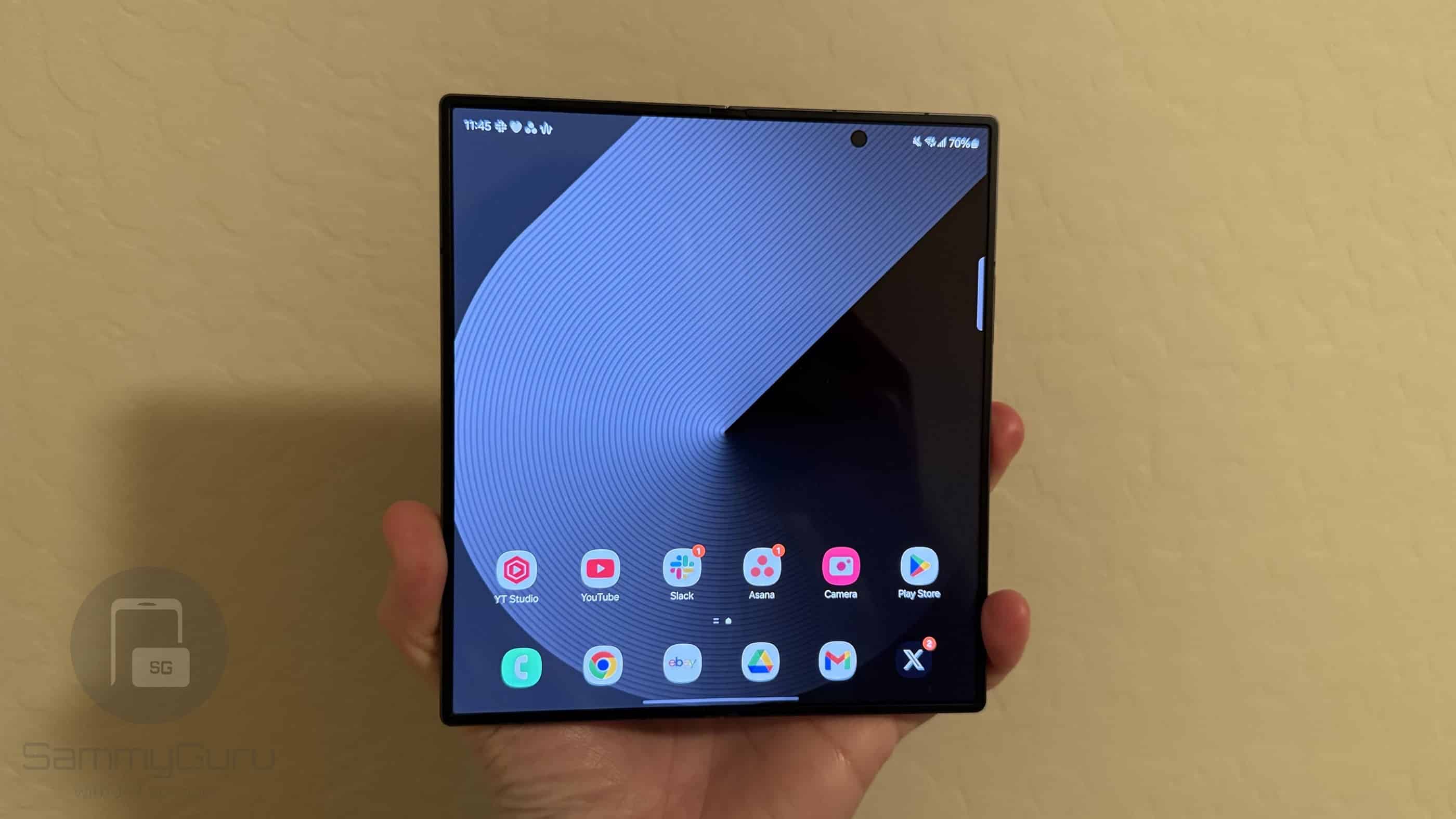
The Galaxy Z Flip 8, identified by the model number SM-F776U, appears to be a primary focus for these early software iterations. While the software is the current headline, leaked hardware specifications for the Flip 8 suggest a push toward efficiency and portability. There are reports that the Flip 8 could be the first in its line to feature a Samsung-made Snapdragon 8 Elite Gen 5 chip according to industry rumors.
Beyond the processor, Samsung is reportedly working on making the Flip 8 lighter than its predecessor. Interestingly, some leaks suggest the camera setup may remain similar to that of the Flip 7, indicating that the primary upgrades for this generation may be focused on weight reduction and internal processing power rather than a complete imaging overhaul.
The Emergence of the Galaxy Z Fold 8 Wide
While the standard foldable lineup continues, a new addition is surfacing in the One UI 9 codebase: the Galaxy Z Fold 8 Wide. This device represents a significant departure from Samsung’s traditional foldable design, moving toward a form factor that mirrors competitors like the Huawei Pura X. The “Wide” project, referenced by the codename “H8” in image assets, aims to solve the long-standing criticism regarding the narrow cover screens of previous Fold models as revealed in codebase graphics.
The design shift is most evident in the display aspect ratios. While the standard Galaxy Z Fold 8 maintains a more square-like profile with a ratio close to 1.11:1, the Wide variant is expected to feature a 4:3 aspect ratio for its internal display based on demo animations. In practice, this results in a ratio hovering around 1.3:1, providing a wider, more traditional tablet-like experience when unfolded.
One UI 9 is already being adapted for this specific hardware, with newly discovered graphics revealing an “outer display mirroring function” designed specifically for the Wide’s unique dimensions. This suggests that Samsung is not just changing the chassis, but is actively developing software features to take advantage of the increased screen real estate on the cover display.
Galaxy Z Fold 8 Wide: Expected Specifications
CAD renderings provide a detailed look at the physical footprint of the Wide variant. When folded, the device measures 123.9 x 82.2 x 9.8 mm; when opened, it thins down to 4.9 mm at its slimmest point according to leaked dimensions. The screen configuration consists of a 5.4-inch outer display and a 7.6-inch inner display.
Internally, the Wide model is expected to mirror the high-end specifications of the standard Fold 8. This includes a custom Snapdragon 8-series chip and substantial memory options, with up to 16GB of RAM and up to 1TB of storage per CAD-based reports. Power management is similarly a key focus, with an expected 5000mAh battery supporting 45W wired charging and 25W wireless charging.
| Feature | Galaxy Z Fold 8 (Standard) | Galaxy Z Fold 8 Wide |
|---|---|---|
| Internal Aspect Ratio | Approx. 1.11:1 (Square-like) | Approx. 4:3 / 1.3:1 (Wide) |
| Outer Display Size | Standard Fold profile | 5.4 inches |
| Inner Display Size | Standard Fold profile | 7.6 inches |
| Thickness (Unfolded) | Not specified | 4.9 mm (slimmest point) |
| Battery Capacity | Not specified | 5000mAh |
Imaging and Hardware Trends for 2026
While the “Wide” variant captures much of the attention, the standard Galaxy Z Fold 8 is rumored to receive a significant camera upgrade. Early leaks suggest a high-resolution array featuring a 200MP main camera, a 50MP ultrawide camera, and a 12MP 3x telephoto shooter according to leak reports. This would bring the foldable’s imaging capabilities closer to those found in the S-series Ultra models.
For the Samsung Galaxy Z Flip 8, the strategy appears to be different. Rather than a camera overhaul, the focus is on refining the “pocketability” of the device. By focusing on a lighter chassis and the integration of the Snapdragon 8 Elite Gen 5, Samsung is positioning the Flip 8 as a high-performance, ultra-portable device for users who prioritize style and efficiency over professional-grade photography.
The broader implication of these leaks is that Samsung is diversifying its foldable portfolio. By introducing a “Wide” variant alongside the standard Fold and Flip, the company is attempting to capture different user segments—from those who want a compact phone that unfolds into a square canvas to those who desire a wider, more traditional aspect ratio for productivity and media consumption.
What Which means for the Ecosystem
The transition to Android 17 via One UI 9 represents more than just a version number increase. For foldables, software is the bridge between a novelty form factor and a truly productive tool. The inclusion of mirroring functions and aspect-ratio-specific animations in the One UI 9 codebase indicates that Samsung is moving away from a “one size fits all” software approach for its foldables.
The timeline for these releases remains consistent with Samsung’s historical patterns. The Galaxy S26 will likely debut in the first quarter of 2026, followed by the Samsung Galaxy Z Flip 8 and Z Fold 8 lineup in the second half of the year. This staggered release allows Samsung to iterate on its software—moving from One UI 8.5 to One UI 9—within a single calendar year.
For consumers, the key takeaway is the expansion of choice. Whether It’s the lightweight efficiency of the Flip 8 or the productivity-focused width of the Fold 8 Wide, the 2026 lineup suggests a more nuanced approach to foldable hardware. We are seeing a shift from “proving the technology works” to “optimizing the technology for specific use cases.”
The next confirmed checkpoint for the Samsung ecosystem will be the official unveiling of the Galaxy S26 series, which will provide the first official look at One UI 8.5 and set the stage for the foldable transitions later in the year.
Do you prefer the square profile of the current Fold series, or would a wider 4:3 aspect ratio improve your productivity? Let us understand in the comments below.
Worth a look