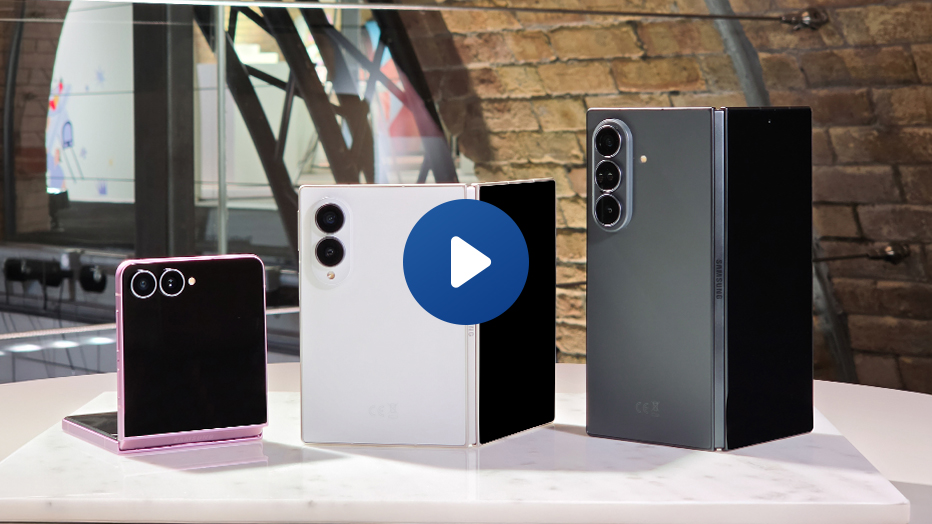
During the July 2026 Galaxy Unpacked event in London, Samsung Electronics unveiled the eighth generation of its Galaxy Z foldable device lineup, introducing advanced artificial intelligence integration to portable form factors. Led by the technical showcase of the new Galaxy Z series, the company detailed how its latest hardware marries custom silicon with machine learning models to optimize user workflows, camera utility, and screen durability.
For mobile engineers and industry watchers, the London showcase marked a distinct shift toward on-device utility rather than mere aesthetic refinement. According to Samsung Electronics representatives speaking at the launch, the hardware architecture of the new foldables has been redesigned from the hinge outward to accommodate more robust neural processing units. This structural shift allows complex generative tasks to run locally, reducing latency and addressing privacy concerns inherent in cloud-reliant processing.
As foldable smartphones transition from early-adopter novelties to mainstream productivity tools, manufacturers face mounting pressure to deliver genuine functional improvements. Samsung’s latest hardware release directly addresses past consumer pain points—such as crease visibility and battery longevity—while leaning heavily into software ecosystems designed specifically for dual-screen interaction.
Engineering the Eighth Generation: Hardware and AI Integration
At the core of the new Galaxy Z generation lies a refined proprietary hinge mechanism that reduces the physical footprint of the device while improving water and dust resistance ratings. Engineers at Samsung utilized a redesigned dual-rail structure to distribute stress evenly across the ultra-thin glass display, a change verified in preliminary durability testing data released during the London conference. This mechanical overhaul directly mitigates the central crease issue that has challenged foldable displays since their commercial inception.
Complementing the hardware changes is an upgraded software suite powered by on-device artificial intelligence. By integrating multimodal language models directly into the mobile chipset, the new devices can execute real-time translation, context-aware note summarization, and advanced photo editing without requiring an active internet connection. Industry analysts note that this local processing capability represents a significant departure from previous iterations, which relied heavily on remote server farms for heavy AI computations.
Furthermore, the integration of these machine learning algorithms extends to power management. The system dynamically allocates resources based on user behavior patterns across the cover and main displays, yielding measurable improvements in daily endurance. Field tests shared by technical reviewers in London confirm that these efficiency gains help offset the power demands of driving two separate high-refresh-rate panels.
Market Context and Competitive Landscape
The launch of Samsung’s eighth-generation foldables arrives at a critical juncture for the global smartphone market. Competitors from various regions have steadily eroded Samsung’s early monopoly in the foldable sector by introducing thinner profiles and competitive pricing structures. By emphasizing deep software integration and enterprise-grade security features through its Knox platform, Samsung aims to retain its dominant market share among enterprise users and mobile professionals.
Market researchers tracking the mobile sector point out that consumer adoption of foldables hinges largely on perceived long-term reliability. By backing the new generation with extended software support windows and reinforced screen structures, the manufacturer is attempting to lower the hesitation threshold for buyers accustomed to traditional candy-bar smartphones. Pricing and regional availability details announced in London indicate a tiered rollout strategy targeting key North American, European, and Asian markets first.
Consumer technology analyst groups expect early sales figures to provide a clear indicator of whether high-end buyers are willing to invest in on-device AI capabilities packaged within a foldable form factor. Early hands-on impressions from attendees at the London event suggest that the performance upgrades are tangible, though final verdict metrics will depend on rigorous, long-term independent testing.
Future Outlook and Official Updates
As Samsung prepares to ship the new Galaxy Z devices to global retail partners, consumer attention turns toward forthcoming software development kits and third-party app optimization. Developers seeking to adapt their applications for the unique aspect ratios and split-screen capabilities of the eighth-generation hardware can access updated documentation through the official Samsung Developer Portal. Official safety advisories, detailed technical specifications, and regional pre-order timelines are hosted directly on the Samsung Newsroom.
We invite our readers to share their thoughts on the new foldable lineup and join the discussion in the comments section below.