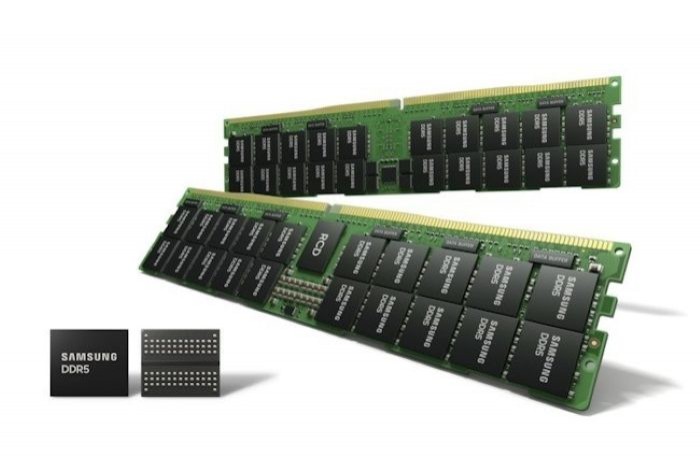
San Francisco, CA – Concerns are mounting regarding the availability of personal computers, with the French organization UGAP (Union des Groupements d’Achats Publics) issuing a warning that supply may not meet demand. This comes amid ongoing global supply chain disruptions and increasing costs for key components, particularly memory chips. While the initial alert focused on the public sector, the implications ripple across the entire PC market, impacting consumers and businesses alike.
The UGAP’s warning, initially reported in late February 2026, highlights a significant surge in the price of 32GB memory modules. According to the organization, the average cost has more than doubled, jumping from around $160 to over $490 by the end of January. CIO-Online reported on the situation, noting the inflationary pressure is directly impacting PC production and availability. This price hike isn’t isolated; it’s a symptom of broader challenges within the semiconductor industry.
The core issue stems from a complex interplay of factors. Demand for memory chips, driven by applications like artificial intelligence, data centers, and, of course, PCs, continues to rise. Simultaneously, production capacity hasn’t kept pace, exacerbated by geopolitical instability and logistical bottlenecks. The situation is further complicated by the concentration of manufacturing in a few key regions, making the supply chain vulnerable to disruptions.
The Memory Market and PC Production
The memory market, specifically DRAM (Dynamic Random-Access Memory), is dominated by a handful of major players, including Samsung, SK Hynix, and Micron Technology. These companies control a significant portion of global production, and their decisions regarding capacity and pricing have a substantial impact on the entire industry. Samsung, for example, has been a key innovator in memory technology, but even their capacity is constrained by current market conditions.
The increased cost of memory directly translates to higher production costs for PC manufacturers. To maintain profitability, these manufacturers are often forced to either increase prices for consumers or reduce production volumes. The UGAP’s warning suggests that many are opting for the latter, leading to potential shortages and longer lead times for customers. This isn’t just affecting budget-friendly machines; even high-end gaming PCs and professional workstations are susceptible to these supply constraints.
The situation is reminiscent of the chip shortages experienced during the height of the COVID-19 pandemic, which severely hampered automotive production and consumer electronics availability. While the current situation isn’t as severe, experts warn that it could persist throughout 2026 and potentially into 2027 if significant investments aren’t made to increase memory production capacity.
Beyond Memory: A Broader Supply Chain Challenge
While memory chips are a critical component, they aren’t the only factor contributing to PC supply issues. Other essential components, such as processors, graphics cards, and display panels, are also facing supply constraints. The ongoing geopolitical tensions, particularly in regions critical for semiconductor manufacturing, add another layer of uncertainty.
The semiconductor industry is incredibly complex and interconnected. A disruption in one area can quickly cascade throughout the entire supply chain. For example, a shortage of raw materials used in chip manufacturing can limit production, even if the fabrication facilities themselves are operating at full capacity. Logistical challenges, such as port congestion and shipping delays, can further exacerbate the problem.
The impact of these supply chain issues extends beyond just the availability of PCs. It also affects the cost of other electronic devices, including smartphones, tablets, and gaming consoles. Consumers are likely to observe higher prices and limited choices across a wide range of technology products.
Historical Context: Samsung and the Evolution of Mobile Technology
Samsung’s role in the technology landscape extends far beyond memory chips. The company has been a major player in the mobile phone market for over two decades, consistently pushing the boundaries of innovation. Looking back at their product history provides context for understanding their current position and influence.
In 2018, Samsung released the Galaxy A8, a mid-range smartphone featuring a dual front-facing camera and a focus on design. Amazon.fr listed a reconditioned version of the 32GB Galaxy A8 in 2019. The Galaxy A8 was notable for being the first in the A series to support Samsung’s Gear VR. This demonstrates Samsung’s early commitment to virtual reality and immersive experiences.
More recently, in 2024, a Samsung Galaxy A20 with 32GB of storage was offered for sale at $2000 HT (Hors Taxes – excluding taxes) according to a Facebook post. This post, found on Facebook, illustrates the fluctuating pricing and availability of even older models, potentially influenced by the broader supply chain issues.
In January 2017, Samsung announced the Galaxy A8 would be available in stores on January 8th. Samsung Newsroom Belgium reported on this release, highlighting the phone’s Infinity Display and dual front camera. These innovations, while initially featured in higher-end models, were brought to the A series to offer more advanced features at a more accessible price point.
What Does This Imply for Consumers?
The UGAP’s warning and the broader supply chain challenges have several implications for consumers. First, expect to see higher prices for PCs. Manufacturers are likely to pass on the increased cost of components to customers. Second, availability may be limited, particularly for specific configurations or models. Consumers may need to be more flexible in their choices or be prepared to wait longer for their desired PC.
Third, the used and refurbished PC market may become more attractive. As new PCs become more expensive and harder to discover, more consumers may turn to pre-owned options. However, it’s important to exercise caution when purchasing used electronics, ensuring the device is in good working condition and comes with a warranty.
Finally, consumers should consider delaying non-essential PC purchases if possible. If your current PC is still functioning adequately, it may be prudent to wait until the supply chain situation improves before upgrading. Monitoring market trends and comparing prices from different retailers can also help consumers find the best deals.
Looking Ahead
The PC supply chain is expected to remain constrained for the foreseeable future. While new investments in memory production capacity are planned, it will take time for these facilities to arrive online and alleviate the shortage. The situation is further complicated by the ongoing geopolitical uncertainty and the potential for further disruptions.
The next key checkpoint will be the release of Q1 2026 earnings reports from major semiconductor manufacturers like Samsung, SK Hynix, and Micron Technology. These reports will provide insights into production levels, inventory, and future outlook. Analysts will be closely watching for any signs of improvement in the supply chain situation.
In the meantime, consumers and businesses should prepare for continued challenges in the PC market. Flexibility, patience, and careful planning will be essential for navigating these uncertain times. Share your experiences and concerns in the comments below – how are these supply chain issues impacting your tech purchases?