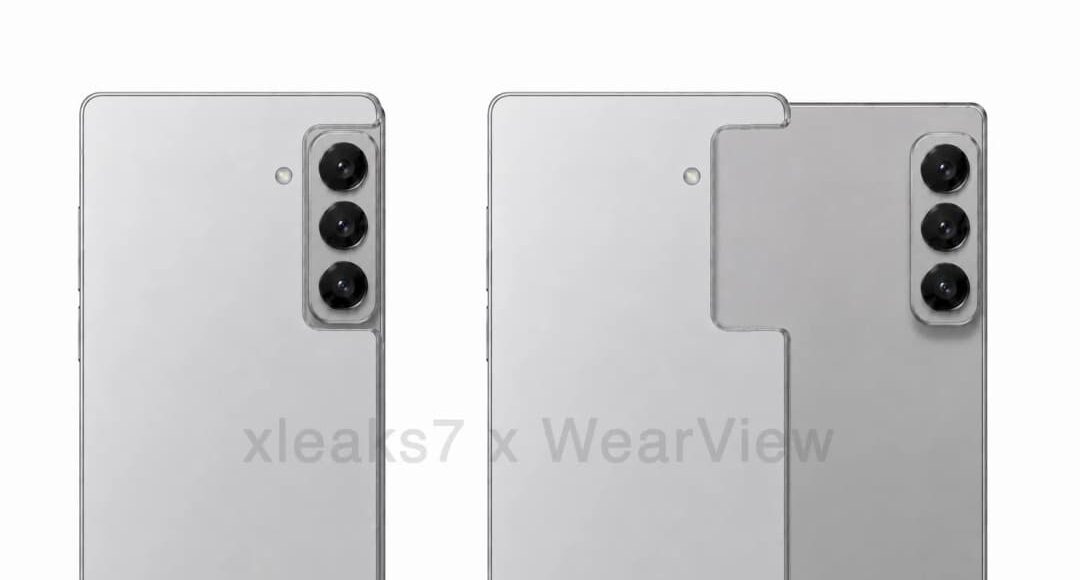
As the smartphone industry continues to navigate the boundaries of form factor innovation, recent intellectual property filings suggest that Samsung Electronics is actively exploring new mechanical designs for mobile devices. Among the most intriguing concepts is a potential rollable smartphone, a design that would represent a significant departure from the current fold-and-flip architecture popularized by the company’s existing Galaxy Z series.
For those of us tracking consumer electronics trends from Silicon Valley, the move toward expandable displays is not entirely unexpected. However, the latest patent documentation highlights a unique approach to internal hardware management: a device where the camera module itself physically shifts or adjusts as the display expands. This mechanical integration aims to solve the persistent challenge of maintaining optical alignment and structural integrity in a device that changes its physical dimensions.
Evolving the Rollable Display Concept
The core of this innovation lies in the transition from static, rigid components to dynamic, moving parts. While traditional smartphones house cameras in fixed positions, a rollable device—which relies on a flexible panel that retracts into a housing—requires a more sophisticated internal layout. According to standard industry practices for Samsung mobile hardware development, the company frequently files patents to protect various engineering solutions, even if those solutions do not immediately reach the mass production stage.
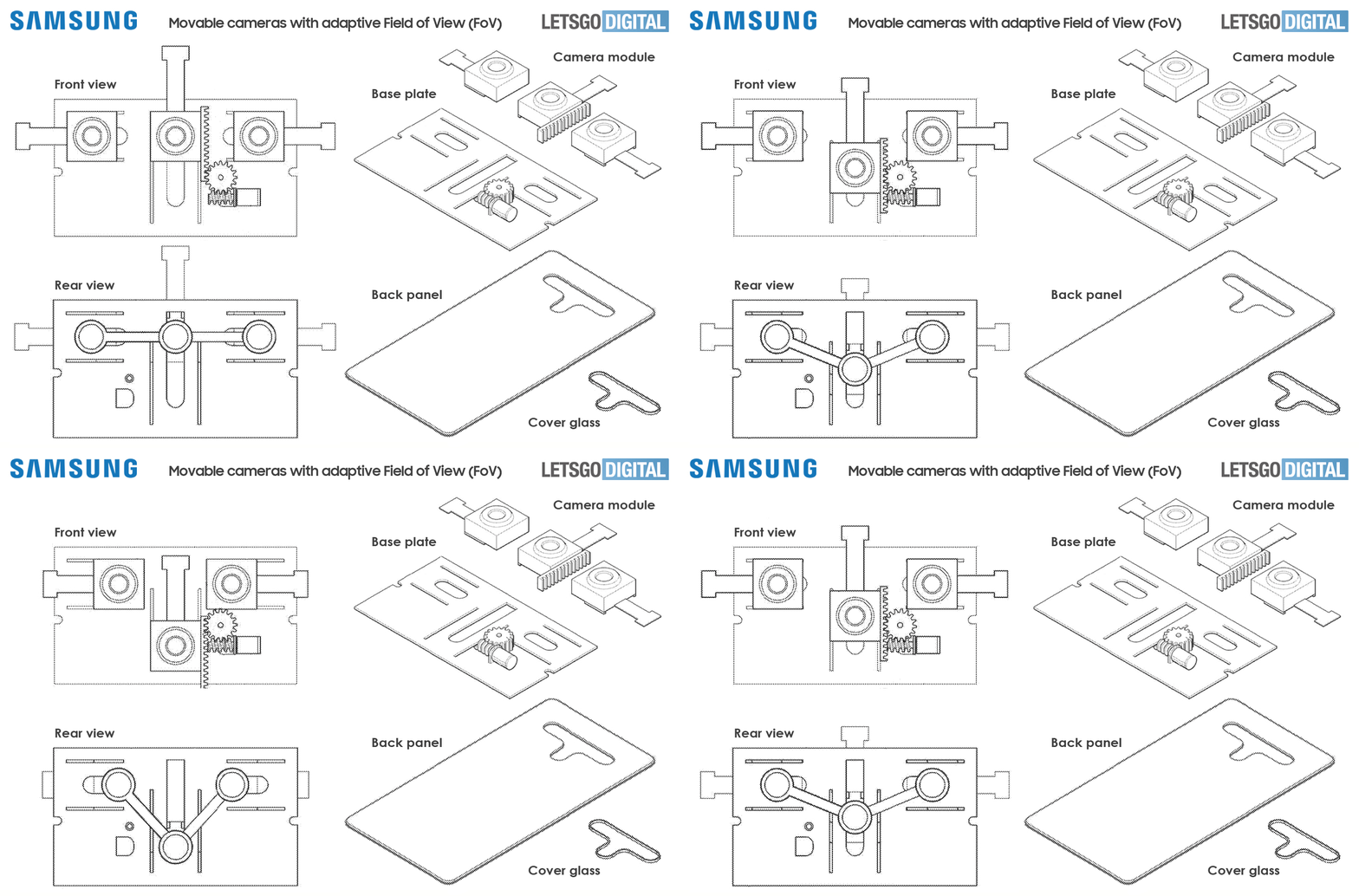
The concept of a rollable device is a long-standing area of interest for major manufacturers. The primary advantage is clear: users could enjoy a compact, pocketable handset that, at a moment’s notice, could expand into a tablet-like screen. By incorporating a moving camera assembly, Samsung appears to be addressing the physical space constraints that occur when a flexible display is unfurled. This design choice ensures that the camera remains functional and properly oriented regardless of whether the screen is in its retracted or expanded state.
Technical Challenges in Mobile Expansion
From an engineering perspective, the transition to such a device involves overcoming significant hurdles in hardware durability and software optimization. The structural integrity of the flexible display technology is paramount, as the panel must endure repetitive mechanical stress without compromising image quality or touch sensitivity. Adding a moving camera mechanism introduces additional points of failure, requiring high-precision motors and robust internal cabling capable of surviving thousands of expansion cycles.
Industry analysts have noted that while the smartphone market has seen a maturation of foldable devices, the rollable segment remains in the experimental phase. Companies like Samsung must balance the “wow factor” of a new form factor with the practical realities of daily usage, battery life, and thermal management. The integration of a moving camera is a bold step, as it suggests the company is looking for ways to maintain high-quality photography standards—a key selling point for their flagship devices—even in unconventional chassis designs.
What This Means for the Future of Mobile Hardware
It is important to remember that a patent filing is an indicator of research and development direction, not necessarily a confirmation of an upcoming product launch. Samsung maintains a vast portfolio of intellectual property, and many concepts remain in the laboratory for years before they are either discarded or refined for future iterations of their consumer product lines. For now, the global tech community continues to monitor these filings as a bellwether for where the company intends to steer its display and camera technology.
For consumers, this development signals that the next generation of mobile devices may look incredibly different from the slabs we carry today. Whether these devices will eventually replace the current foldable lineup or exist as a premium alternative remains to be seen. As we approach the next major industry trade shows, we will be watching for any official announcements regarding new hardware prototypes or advancements in display mechanics.
Key Considerations for the Industry
- Mechanical Complexity: Moving parts in mobile devices require rigorous testing to ensure long-term reliability for the end user.
- Optical Calibration: Ensuring that a camera module maintains focus and alignment while in motion is a complex imaging challenge.
- Strategic R&D: Patent filings reflect the company’s long-term commitment to maintaining its position as a leader in display innovation.
As of May 2026, Samsung has not provided an official timeline for the release of a commercially available rollable smartphone. For the latest updates on Samsung’s product roadmap, we encourage our readers to follow official announcements directly from their global newsroom. We will continue to track these developments and provide updates as more information becomes available. Have thoughts on the future of rollable tech? Share your perspective in the comments below.

Related reading
- China Redefines Semiconductors in IP Laws to Cover Photonic and Quantum Chips
- How to Overcome Workaholism: One Woman’s Journey from Burnout to Recovery
- Why Museums Still Ban Your Camera Flash, Even Though It's Harmless (daybreakwire.com)
- Phil Collins Reveals Near-Fatal Organ Failure After Years of Alcohol Abuse (time.news)