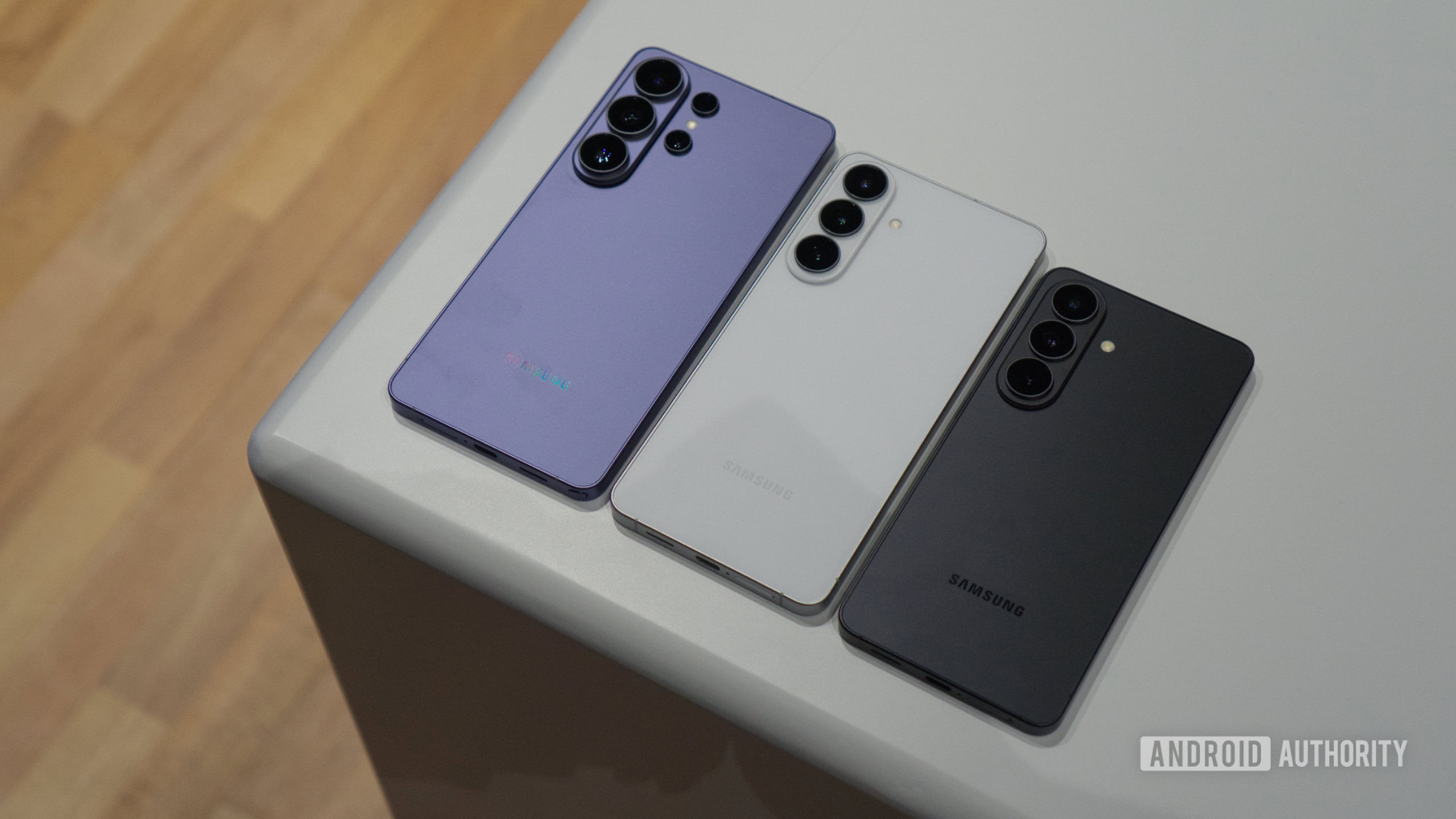
As the global consumer electronics landscape continues to shift under the weight of rising production costs, new reports suggest that Samsung’s flagship phones could be even more expensive next month. For many consumers, the price of premium mobile technology has become a focal point of concern as hardware manufacturers navigate complex supply chain pressures and the integration of increasingly sophisticated artificial intelligence features.
While industry analysts have long monitored the volatility in component pricing, the latest indicators point toward a potential upward adjustment in retail costs for several key product lines. As we approach the mid-year mark, users in specific markets—notably Greece—may see the cost of acquiring the latest mobile hardware rise, prompting broader questions about the trajectory of smartphone pricing throughout the remainder of 2026.
Understanding the Shift in Flagship Pricing
The consumer tech industry is currently experiencing a period of significant transition. One of the primary drivers behind these potential price hikes is the intense competition for essential hardware components, particularly high-bandwidth memory (HBM) and advanced storage solutions. As AI companies continue to prioritize the acquisition of these resources to power large language models and other generative AI workloads, the available supply for consumer device manufacturers has tightened, leading to increased costs across the board.
Samsung, a leader in the global smartphone market, is reportedly preparing to adjust its pricing strategy in response to these macroeconomic headwinds. According to industry reports, consumers in Greece may see price increases beginning in the first week of June. These adjustments are expected to affect a wide range of devices, potentially impacting the Galaxy S series, the company’s premium foldable lineup, and the Galaxy FE (Fan Edition) models. While these reports focus on regional adjustments, they often serve as a bellwether for wider European and international pricing strategies.
Why Component Costs Matter
To understand why flagship phone prices are sensitive to these changes, one must look at the bill of materials (BOM). Modern flagship devices are essentially high-performance computers that fit in a pocket. The demand for faster, more efficient RAM and high-capacity storage is not just driven by consumer expectations for gaming or photography, but by the hardware requirements necessary to run on-device AI operations effectively.

When the cost of these foundational components rises, manufacturers are often left with a difficult choice: absorb the costs, which can impact profitability and research and development budgets, or pass those costs on to the end user. In the current economic climate, where inflation and supply chain logistics remain complex, the latter has become an increasingly common reality for major tech firms.
For those looking to track these changes, it is helpful to monitor official manufacturer announcements and regional storefronts. You can explore current product offerings and official pricing updates through resources like the Samsung US official portal, which provides a comprehensive view of the latest hardware, including smartphones, tablets, and smart home appliances. Similarly, major retail partners like the Samsung Store at Best Buy offer insights into how these devices are positioned for the broader consumer market.
What This Means for the Consumer
If you are currently in the market for a new smartphone, the tech industry is rarely static. Price fluctuations are a standard part of the product lifecycle, especially as companies transition between model generations. However, the current trend of rising costs for premium flagships highlights the increasing value of longevity in mobile devices. Many users are now opting to hold onto their existing hardware for longer periods, prioritizing software support and durability over annual upgrades.
As we head into the summer months, keep a close watch on regional news and official press releases from technology manufacturers. While reports of price hikes in specific territories are significant, they are not always indicative of a global price floor. Market competition often leads to localized promotions and trade-in incentives that can help mitigate the impact of rising retail prices for the average consumer.
Looking Ahead
The situation remains fluid. As of May 2026, the tech sector continues to monitor the impact of AI-driven demand on the semiconductor supply chain. For consumers, the best strategy remains staying informed through reputable sources and official manufacturer channels. We will continue to track these developments and provide updates as more information becomes available regarding global pricing trends.

Have you noticed changes in the cost of flagship electronics in your region? We invite our readers to share their observations and stay engaged with the latest developments in the world of technology. For ongoing analysis of these trends, keep visiting the World Today Journal.