
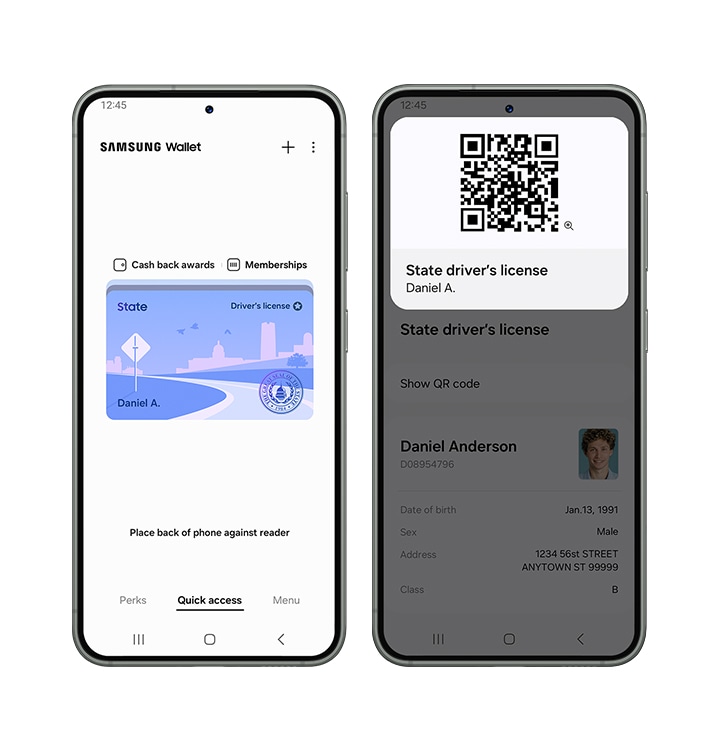
Travelers in the United States who carry a Samsung smartphone now have a more streamlined way to navigate airport security. Samsung has officially integrated passport-based digital identity verification into its Samsung Wallet app, a move that allows users to leverage CLEAR’s identity verification technology at hundreds of Transportation Security Administration (TSA) checkpoints across the country. This update marks a significant shift in how passengers engage with travel infrastructure, moving away from physical document reliance toward a more integrated, mobile-first ecosystem.
As the technology editor here at World Today Journal, I have spent years tracking the evolution of mobile identity. The integration of Samsung Wallet passport verification represents a practical application of biometric security, aimed at reducing friction during the often-stressful airport security process. By utilizing a digital version of a U.S. Passport, travelers can now present their identity information directly from their device, provided they have completed the necessary setup within the CLEAR platform.
According to the official announcement from CLEAR, this functionality is currently live at more than 250 airport security checkpoints nationwide where CLEAR’s identity lanes are operational. This expansion is part of a broader push by the TSA to modernize its identity verification processes, moving toward a future where digital credentials—often referred to as Mobile Driver’s Licenses (mDL) or digital IDs—are accepted alongside traditional physical documents.
How the Digital Passport Integration Works
For those familiar with the existing Samsung Wallet ecosystem, the process is designed to be intuitive. Users must first ensure they have the latest version of the Samsung Wallet app installed on a compatible device. The verification process relies on the user’s U.S. Passport, which is scanned and verified through the CLEAR app to create a secure, digital identity profile.

Once the identity is verified, the user’s digital credential is stored within the Samsung Wallet. When approaching a TSA checkpoint, the traveler can present their identity through the app, which is then verified by the security system. This process does not entirely replace the need for a boarding pass, but rather serves as a secure method for identity verification at the security lane. The TSA maintains strict requirements for acceptable forms of identification, and this digital integration is designed to align with those federal standards for identity assurance.
The security architecture behind this feature is robust. Samsung employs its Knox security platform, which uses hardware-based encryption to protect sensitive data on the device. By combining this with CLEAR’s biometric verification—which typically involves a facial scan to ensure the person presenting the ID is the same person to whom the document was issued—the system aims to reduce the risk of identity fraud while simultaneously speeding up the passenger screening process.
Understanding the Impact on Domestic Air Travel
The impact of this update is twofold: it offers convenience for the frequent traveler and serves as a testing ground for wider digital identity adoption. As we move toward a landscape where digital wallets replace physical leather ones, the ability to store official government-issued documents is a critical milestone.

For passengers, this means less time fumbling for physical documents in a crowded security line. For the TSA, it represents a move toward “identity-as-a-service,” where the verification of a traveler’s identity is handled through secure, encrypted data transfers rather than manual inspection. However, travelers should remain aware of the current limitations. While the integration is growing, it is not yet universal. Passengers are still advised to carry their physical passport or a state-issued Real ID-compliant driver’s license as a backup, particularly until digital identity adoption becomes standardized across all security lanes and airport authorities.
Key Takeaways for Travelers
- Compatibility: Ensure your Samsung device is updated to the latest software version to support the newest Wallet features.
- Setup: You must have an active CLEAR account and a valid U.S. Passport to initialize the digital identity profile.
- Coverage: The service is currently available at over 250 TSA checkpoints that support CLEAR identity verification.
- Redundancy: Always keep a physical form of government-issued ID on your person, as technology can occasionally encounter connectivity or system issues at the gate.
The Future of Digital Identity in the US
This development is not an isolated event but rather part of a larger trend in digital transformation across the United States. The Department of Homeland Security (DHS) and the TSA have been actively working with private technology partners to explore how mobile driver’s licenses and digital credentials can improve both security and efficiency. The goal is a seamless “touchless” travel experience where the passenger’s identity is confirmed in the background as they move through the airport.

As we look ahead, the challenge for companies like Samsung and CLEAR will be interoperability. For a digital ID to be truly useful, it must be accepted not just at airport security, but at rental car counters, hotels, and eventually for law enforcement encounters. We are currently in the early stages of this transition, where different states and tech platforms are still defining the standards for how these digital documents are issued and verified.
For now, the integration of passport verification into Samsung Wallet is a win for tech-savvy travelers. It reduces the physical burden of travel and utilizes the high-level security hardware already present in modern smartphones. As more airports upgrade their equipment to support these digital lanes, we can expect to see this feature become a standard part of the American travel experience.
The TSA continues to update its list of participating airports and technology partners regularly. Travelers planning a trip should check the official TSA “What to Expect” portal before departure to confirm the specific capabilities of their departure airport. As this landscape evolves, I will continue to provide updates on how these digital tools are changing the way we move through the world.
What are your thoughts on transitioning to digital-only identification for air travel? Are you comfortable relying entirely on your smartphone, or do you prefer the peace of mind that comes with a physical document? Share your experiences in the comments below, and let’s keep the conversation going.