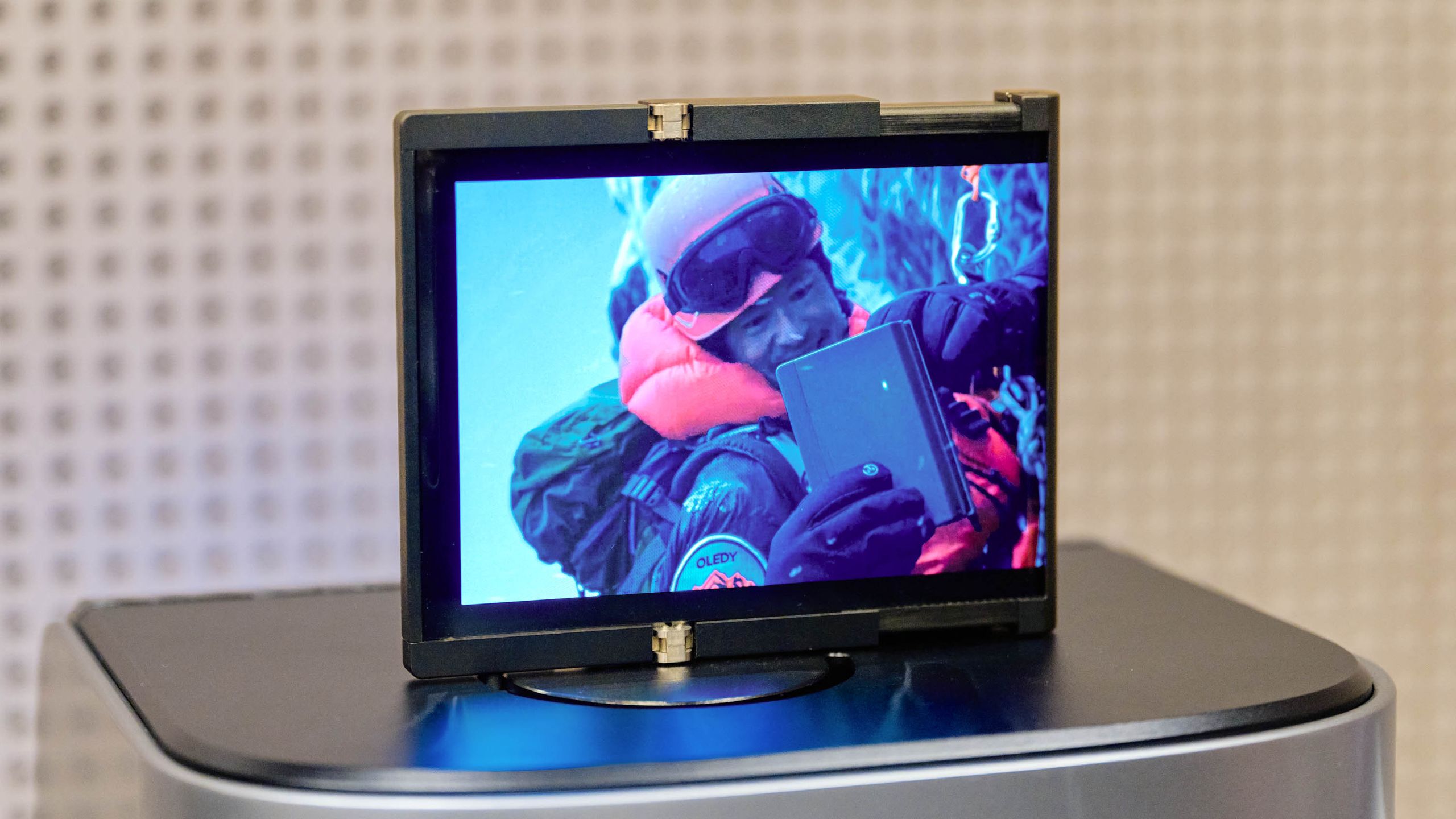
Samsung Display is currently exploring the next generation of mobile hardware through new “slidable” screen technologies, but the specifics of this exploration are not detailed in the source articles. These prototype concepts, including the Flex Slidable and Flex Hybrid, represent an effort to balance increased screen real estate with device portability. While these designs are not yet available to the public, they offer a glimpse into how the company is addressing the mechanical challenges of flexible display integration.
As the technology matures, it faces significant hurdles regarding long-term reliability and real-world usage patterns. According to Byung Duk Yang, Executive Vice President of the Core Component Technology Team at Samsung Display, the company is prioritizing product stability over rapid market entry. “We have to consider the real-world usage pattern,” Yang stated, noting that while display technology may be ready, engineering obstacles remain for the final consumer product.
Engineering the Flex Slidable and Flex Hybrid
The two primary concepts recently highlighted by Samsung Display demonstrate different approaches to expanding screen size. The Flex Slidable functions as a compact device that expands its display via a mechanical slide, increasing from 4.7 inches to 7.2 inches. The mechanism allows the screen to unfurl, providing a larger canvas for media or multitasking when required.

The second concept, the Flex Hybrid, integrates both folding and sliding technologies into a single unit. This design incorporates foldable components on the left side and slidable technology on the right. By combining these two methods, Samsung aims to address both portability and entertainment requirements, allowing the device to reach a 7.2-inch screen size. These prototypes serve as testbeds for the company to evaluate how users interact with screens that can change shape on command.
The development of these devices is heavily informed by rigorous testing protocols. To ensure durability, Samsung Display utilizes internal testing facilities that subject panels to repeated cycles, including folding tests that reach up to 500,000 operations. Such testing is critical for establishing the reliability needed to move from a conceptual demo to a mass-produced, commercially viable device.
Advancements in Bezel-Less Display Technology
Alongside its work on flexible form factors, Samsung Display has also achieved significant milestones in reducing screen bezels. The company recently showcased a 6.8-inch OLED panel that features exceptionally narrow borders. These advancements were achieved by minimizing the width of outer wiring and utilizing sophisticated module design techniques.
The dimensions of this display demonstrate the current state of screen manufacturing:
- Top bezel: 0.4mm
- Left, right, and bottom bezels: 0.6mm
These measurements represent a reduction in bezel size by up to 40% compared to typical smartphones currently on the market. By refining the physical footprint of the display module, Samsung is working toward a “zero-bezel” user experience, where the screen occupies nearly the entire front of the handset.
The Path to Consumer Availability
While these technologies—slidable displays and near-zero bezels—are currently in the prototype or advanced development stage, the timeline for their arrival in consumer-ready smartphones remains tied to engineering confidence. Samsung has not provided a specific release date for these slidable products, emphasizing that the company must first ensure the technology can deliver “meaningful innovation” to the user base.

For now, the focus remains on overcoming the physical and mechanical limitations inherent in stretchable and sliding displays. As Byung Duk Yang noted, the transition from a laboratory concept to a shipping product requires overcoming complex hurdles that go beyond the capabilities of the display panel itself.
For the latest information on upcoming display technologies and Samsung’s hardware roadmap, visit the official Samsung Display newsroom. We invite readers to share their thoughts on the evolution of foldable and slidable phone designs in the comments section below.
Worth a look