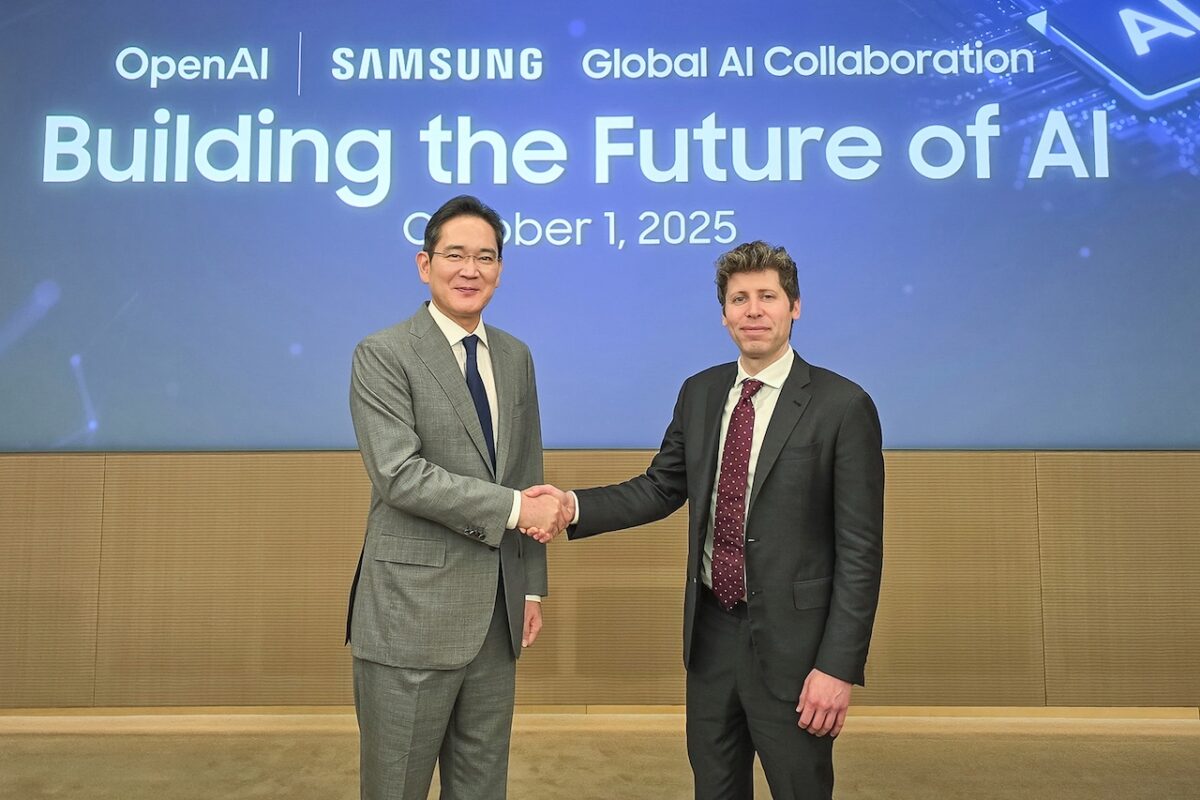
As the global race for artificial intelligence dominance intensifies, the intricate dance between silicon manufacturers and AI developers has become increasingly complex. Recent reports emerging from South Korea suggest that Samsung’s ambitions to produce custom AI chips for OpenAI—the creator of the widely used ChatGPT—may have encountered a significant strategic hurdle. While the initial partnership prospects generated substantial industry buzz, shifting priorities appear to have cooled the momentum of this high-stakes collaboration.
For those of us tracking the intersection of hardware and generative AI, this development highlights the volatile nature of the semiconductor industry. My experience in software engineering and tech journalism has shown me that bridging the gap between chip architecture and large language model (LLM) requirements is rarely a seamless process. While both companies remain major players in the tech ecosystem, their paths regarding custom silicon design seem to be diverging, at least for the moment.
The Architecture of a Stalled Collaboration
The narrative surrounding the potential partnership began in 2024, when industry observers first noted the possibility of Samsung Electronics manufacturing custom AI chips for OpenAI. OpenAI CEO Sam Altman has since made several high-profile trips to South Korea, engaging in discussions with top leadership at Samsung. These meetings were widely viewed as a precursor to a deep, integrated hardware-software agreement.
Reports indicate that the technical focus of this collaboration was centered on the development of an inference neural processing unit (NPU) built upon the ARM architecture. Such a chip would have been designed specifically to optimize the power and performance requirements of running AI models like GPT. However, industry insiders now suggest that the momentum has slowed, primarily due to what are described as strategic differences between the two organizations. Neither company has issued a formal confirmation that the project has been canceled; rather, the collaborative effort appears to have entered a state of uncertainty.
Diversification and New Strategic Alliances
The cooling of the OpenAI-Samsung chip project coincides with broader shifts in Samsung’s investment strategy. Notably, Samsung has increased its focus on other entities within the AI space, including a recent investment in Anthropic, the startup behind the Claude AI model. Reports have surfaced suggesting that discussions are underway regarding the potential for Samsung to manufacture specialized AI hardware for Anthropic, which could represent a pivot in how the South Korean conglomerate allocates its foundry resources.

This diversification is a classic move in the semiconductor industry, where companies aim to balance their portfolios to mitigate risks associated with reliance on a single high-profile client. By engaging with multiple AI developers, Samsung is positioning itself as a versatile partner capable of serving the varied hardware needs of different generative AI platforms.
Beyond the Chip: A Multi-Faceted Partnership
It would be a mistake to assume that the reported roadblock in custom chip development signifies an end to the relationship between Samsung and OpenAI. In reality, the two organizations have established a wide-ranging set of agreements that extend far beyond silicon design. Late last year, several subsidiaries under the Samsung umbrella entered into formal agreements to provide essential services to OpenAI.
One of the most significant areas of ongoing cooperation is in infrastructure. Samsung SDS, the information technology service arm of the group, is slated to collaborate on the development of AI data centers. Samsung Electronics remains a critical player in the supply chain for memory semiconductors, which are essential components for the high-performance computing clusters that power ChatGPT and other advanced AI models. Regardless of the status of custom NPU development, the fundamental reliance on Samsung’s memory hardware ensures that the two companies remain deeply intertwined.
What This Means for the AI Hardware Market
For tech observers and investors, this situation serves as a reminder that “custom silicon” is not a panacea for AI companies. Designing proprietary chips requires not only massive capital investment but also a rare alignment of vision between the software designers and the hardware engineers. When strategic goals drift—whether due to differences in architecture preferences, production timelines, or intellectual property concerns—partnerships can quickly lose their trajectory.
As we look toward the remainder of 2026, the industry will be watching closely to see if OpenAI elects to pursue internal chip development through other channels or if they continue to rely on existing market leaders. For Samsung, the focus will likely remain on leveraging its massive manufacturing capacity to support a broad array of AI startups, ensuring that it remains a central pillar of the global AI infrastructure.
We will continue to monitor official filings and company statements for any updates regarding these collaborative efforts. As always, I welcome your thoughts on how this shift in the AI hardware landscape might influence the next generation of generative models. Please join the conversation below and share your perspective on these industry trends.
Related reading