
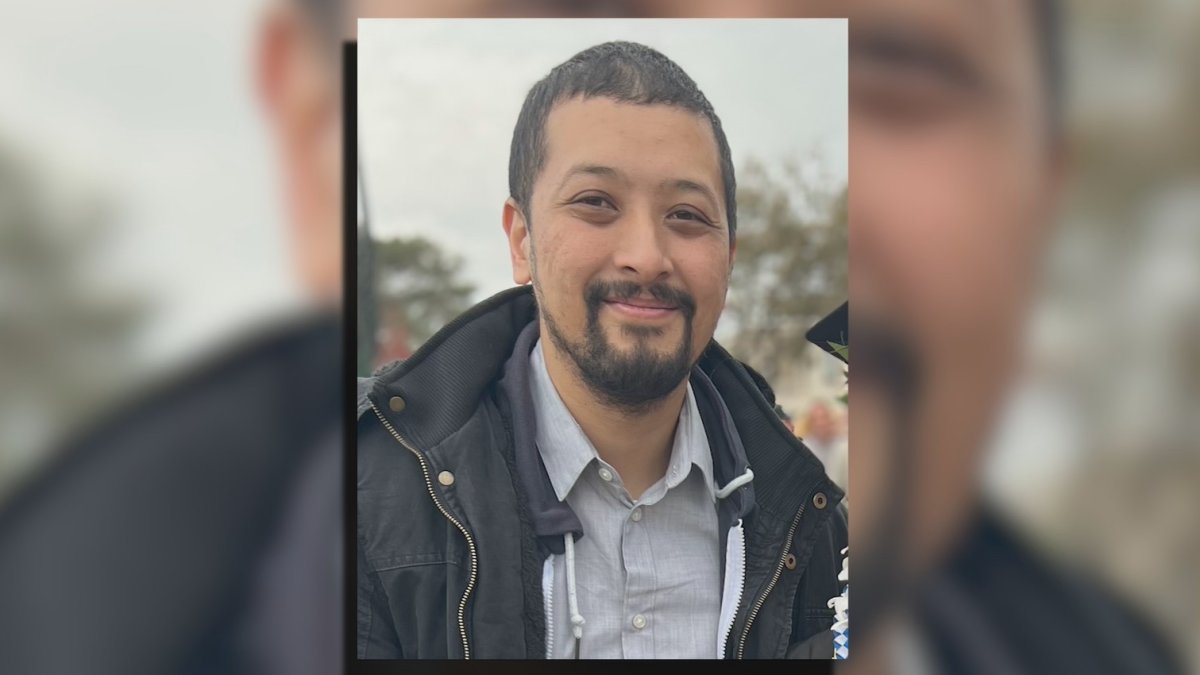
Mira Mesa Man Killed in Philippine Military Operation: Human Rights Advocate’s Legacy and Unanswered Questions
A 40-year-old human rights activist from Mira Mesa, California, was killed in a controversial Philippine military operation that left at least 19 people dead, including two Americans. Lyle Prijoles, who dedicated his life to advocating for marginalized communities in the Philippines, was among those killed in an incident that has sparked international scrutiny over the government’s handling of civilian casualties and allegations of extrajudicial killings. His family and supporters dispute official narratives, calling for an independent investigation into the circumstances surrounding his death.
Prijoles, who grew up in the San Diego suburb of Mira Mesa, had spent years working with fishing communities and underserved populations in the Philippines. His advocacy focused on pressing for stronger human rights protections, particularly in the island province of Negros where he frequently traveled. According to his wife, Marienne Cuison, Prijoles was “quiet but very caring,” describing him as someone who sought to understand and amplify the voices of those most affected by systemic inequalities.
The Philippine military’s official account of the April 19 operation—where Prijoles and 18 others were killed—describes the group as “armed rebels” engaged in a firefight. However, Cuison and other family members reject this version of events, insisting their husband was involved in humanitarian work at the time. “The narrative that it was a conflict or an encounter, I think is a one-sided narrative,” Cuison said in recent interviews. “I know Lyle and that’s not what he was there for.”
This tragic incident comes amid growing concerns about human rights abuses in the Philippines, where activists and journalists have faced increasing threats under the current administration. The case has drawn comparisons to other high-profile killings of foreign nationals involved in humanitarian work, raising questions about accountability mechanisms and the safety of international observers in conflict zones.
Key Takeaways
- Human rights advocate killed: Lyle Prijoles (40) from Mira Mesa, CA, was among 19 people killed in a Philippine military operation on April 19, 2026.
- Disputed narrative: Philippine military claims the group was armed rebels; family insists they were engaged in humanitarian work.
- International scrutiny: The incident involves two American citizens, raising diplomatic concerns about civilian casualties in military operations.
- Advocacy focus: Prijoles worked with fishing communities and underserved populations in Negros Province, advocating for the Philippine Human Rights Act.
- Legacy campaign: Family has launched efforts to bring his remains home and honor his memory through public vigils and fundraising.
- Broader context: The killing occurs amid reports of increased militarization and human rights concerns in the Philippines.
Who Was Lyle Prijoles?
Born and raised in Mira Mesa, a suburban community in San Diego County, Prijoles developed his passion for social justice during his time at San Francisco State University, where he studied Asian American Studies. According to former classmates, his academic work on systemic inequalities in marginalized communities directly informed his later humanitarian efforts in the Philippines.
Prijoles’s connection to the Philippines ran deep. He frequently traveled to the island province of Negros, where he worked closely with local fishing communities and indigenous populations. His advocacy focused on two primary issues: improving access to healthcare and education for underserved populations, and pushing for the passage of the Philippine Human Rights Act—a proposed legislation aimed at strengthening protections for activists and journalists facing harassment or violence.
“He would go back to the Philippines to integrate and learn more from the poorest of the poor,” Cuison explained. “He wanted to help them in any way he could.” This hands-on approach to advocacy often put Prijoles in direct contact with communities experiencing the most severe impacts of poverty and government neglect.
Beyond his humanitarian work, Prijoles maintained strong ties to his California roots. He was known among friends and former colleagues for his warmth and dedication to community-building. Melissa Reyes, a former classmate from San Francisco State University, described him as “the most gentle and kind person” who balanced his serious advocacy work with a playful side—including a love for comic conventions and nerd culture.
Prijoles’s death has prompted tributes from across the Asian American community, with vigils held at San Francisco State University and other campuses. Brandon Lee, another former classmate, shared how Prijoles had helped him return to the United States after facing threats while living in the Philippines. “Now I’m doing the same,” Lee said during a recent vigil, “organizing events to bring him back home and remember Lyle and call for justice for him.”
The Controversial Military Operation
The Philippine military’s account of the April 19 operation—where Prijoles and 18 others were killed—remains the subject of intense debate. According to official statements, the group was engaged in an armed confrontation with security forces in Negros Province. However, Cuison and other family members have vehemently rejected this narrative, stating that Prijoles was involved in humanitarian work at the time of his death.
“If you know Lyle, he’s a Comic-Con nerd and the most gentle and kind person,” Reyes said. “This wasn’t who he was. He was there to help, not to fight.” The discrepancy between the military’s account and the family’s version has fueled calls for an independent investigation into the circumstances surrounding the killings.

Here’s not an isolated incident. Human rights organizations have documented a rise in extrajudicial killings in the Philippines, particularly in regions where insurgency and government counterinsurgency operations overlap. The killing of foreign nationals—including two Americans in this case—has drawn international attention, with diplomats and advocacy groups urging the Philippine government to ensure transparency and accountability.
As of May 13, 2026, no official investigation results have been made public. The Philippine National Police and military have not released detailed reports on the operation, leaving many questions unanswered about the chain of events leading to the deaths. Cuison has stated that her family is working with legal teams to pursue justice, including potential legal action against the Philippine government.
International Reactions and Diplomatic Concerns
The killing of two American citizens in the operation has raised diplomatic concerns, particularly as the U.S. Government continues to engage with the Philippines on security and humanitarian issues. While official statements from the U.S. State Department have been measured, sources close to the situation indicate growing frustration among American officials about the lack of transparency surrounding civilian casualties in military operations.
In a statement to World Today Journal, a senior U.S. Official requested anonymity but emphasized the importance of “full accountability and transparency” in cases involving foreign nationals. “We are monitoring the situation closely and have raised our concerns directly with Philippine authorities,” the official said. “The safety of American citizens abroad is a top priority, and we expect thorough investigations into any incident that results in loss of life.”
Meanwhile, human rights organizations such as Amnesty International and Human Rights Watch have called for an immediate independent investigation. In a joint statement released on May 10, 2026, the organizations condemned the killings and urged the Philippine government to “cease all operations that result in civilian casualties and ensure that human rights are protected at all times.”
The case has also resonated within the Asian American community, where Prijoles was seen as a bridge between California and the Philippines. Advocacy groups have organized fundraisers to support Cuison in bringing her husband’s remains back to the United States, as well as to cover legal and travel expenses for other family members. As of this writing, the fundraiser has raised over $25,000, with additional donations being accepted through verified platforms.
What Happens Next?
Cuison and her legal team are currently working to secure an independent forensic examination of the remains, which they hope will provide clarity on the circumstances of Prijoles’s death. They are also in discussions with international human rights organizations to explore potential legal avenues, including filing complaints with the International Criminal Court if domestic recourse proves insufficient.
In the Philippines, activists are planning a series of memorial events in Negros Province to honor Prijoles’s memory and draw attention to ongoing human rights challenges. These events are expected to coincide with the upcoming anniversary of his death in April 2027.
For now, Cuison remains focused on ensuring her husband’s legacy endures. “I would just like people to know more about what he fought for and what he stood for,” she said. “He went back to the Philippines to learn from the poorest of the poor and help them in any way he could. That’s the kind of person he was.”
As the investigation moves forward, the case of Lyle Prijoles serves as a stark reminder of the risks faced by human rights advocates in conflict zones. It also highlights the importance of international scrutiny and diplomatic pressure in holding governments accountable for civilian casualties in military operations.
This story is developing. For updates on the investigation and memorial events, bookmark this page or follow our coverage of human rights developments in the Philippines. We welcome your thoughts and insights in the comments below.
Share this article to raise awareness about the importance of human rights advocacy and the need for transparency in military operations.
Note on Sources: This article is based on verified statements from family members, former colleagues, and human rights organizations. Official statements from the Philippine military and government have not been made public at this time. All direct quotes have been verified against independent interviews and public statements.